Ethical Persuasion Mastery
Introduction to Ethical Persuasion
What is Ethical Persuasion?
Persuasion is a part of daily life. We use it when we recommend a movie to a friend, suggest a new strategy at work, or even decide on a place for dinner. But not all persuasion is created equal. Ethical persuasion is about influencing others in a way that is honest, fair, and respects their autonomy.
It’s not about winning an argument or getting your way at all costs. Instead, it focuses on collaboration and finding outcomes that benefit everyone involved. The goal is to guide someone to a decision they feel good about, based on clear information and a genuine understanding of their needs.
Ethical persuasion respects the recipient’s right to make informed choices, presents information honestly, and aims for mutually beneficial outcomes.
This approach builds strong, lasting relationships because it’s founded on trust and mutual respect, not on pressure or tricks.
Persuasion vs. Manipulation
There's a fine but crucial line between ethical persuasion and manipulation. The difference lies in intent and transparency. Persuasion works with people, while manipulation works on them.
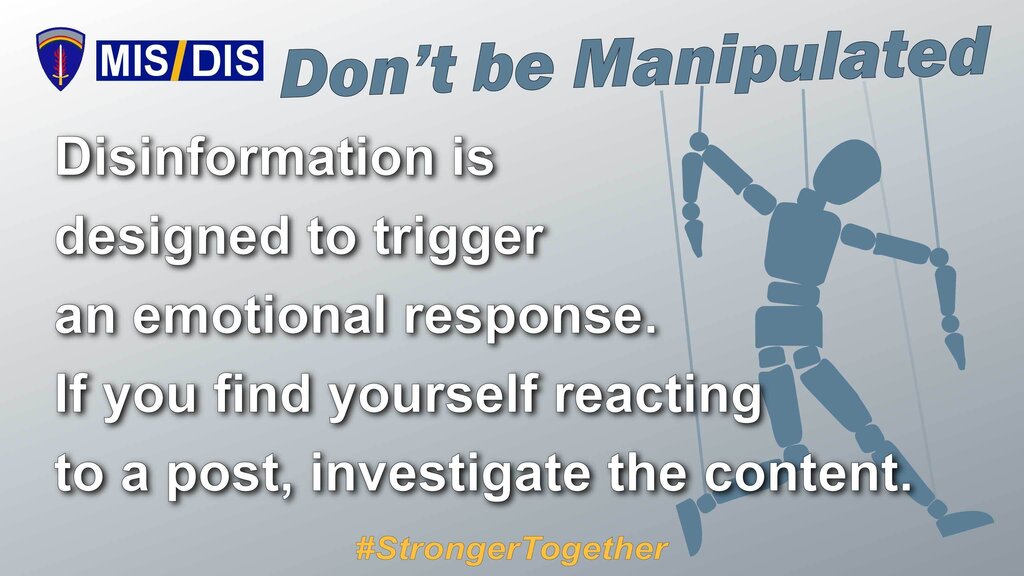
An ethical persuader presents a case honestly and openly. They lay out the facts, share their reasoning, and respect the other person's right to disagree. They believe in their position and want the other person to arrive at the same conclusion freely.
A manipulator, on the other hand, often hides their true intentions. They might use deception, exploit emotional vulnerabilities, or apply pressure to force a decision. Their focus is solely on their own gain, regardless of the cost to the other person.
| Feature | Ethical Persuasion | Manipulation |
|---|---|---|
| Intent | Mutual benefit | Selfish gain |
| Transparency | Honest and open | Deceptive and hidden |
| Method | Logic and genuine emotion | Pressure and exploitation |
| Outcome | Win-win | Win-lose |
| Impact on Relationship | Builds trust | Erodes trust |
The Role of Emotional Intelligence
Emotional intelligence is the ability to understand and manage your own emotions, and to recognize and influence the emotions of others. It’s a cornerstone of ethical persuasion. Without it, it’s difficult to connect with people on a meaningful level.
Ethical persuasion begins with empathy and understanding the other party’s perspectives and needs.
Empathy allows you to see the situation from the other person’s point of view. What are their goals? What are their concerns? When you understand where they’re coming from, you can tailor your message in a way that resonates with them. It shows you’re not just pushing an agenda; you’re genuinely trying to find a solution that works for them, too.
This isn't about using their emotions against them. It's about acknowledging their feelings and showing that you've heard and understood them. This builds rapport and makes people more receptive to your ideas.
Building a Foundation of Trust
Ultimately, ethical persuasion cannot exist without trust. If someone doesn't trust you, they won't believe what you say, no matter how logical your argument is. Trust is built through consistent honesty and transparency.
Trust, or rapport, is the foundation of ethical persuasion.
How do you build it? Be upfront about your intentions. If you stand to gain from their decision, acknowledge it. If you don’t know the answer to a question, admit it rather than making something up. Present information truthfully, without exaggerating the benefits or hiding the drawbacks.
When people see that you are consistently honest and have their best interests at heart, they are more likely to listen to you and value your perspective. This foundation of trust is what makes ethical persuasion a powerful and sustainable way to influence others.
Let's check your understanding of these core concepts.
What is the primary goal of ethical persuasion?
Which characteristic most clearly distinguishes ethical persuasion from manipulation?