Ethical Persuasion Mastery
Introduction to Ethical Persuasion
What Is Ethical Persuasion?
Persuasion is a part of daily life. We use it to decide on a movie with friends, to pitch an idea at work, or to encourage our kids to eat their vegetables. At its core, persuasion is about guiding someone toward a particular idea, attitude, or action.
Ethical persuasion does this with a crucial difference: it prioritizes honesty, respect, and the other person's well-being. It’s not about winning an argument or getting your way at any cost. Instead, it’s about presenting your case clearly and transparently, allowing the other person to make a free and informed decision.
Ethical persuasion respects the recipient’s right to make informed choices, presents information honestly, and aims for mutually beneficial outcomes.
Think of it as a collaboration. You're working with someone to arrive at a conclusion that makes sense for them, not just for you. This approach is fundamental to building strong, lasting relationships, whether in business or your personal life.
Persuasion vs. Manipulation
The line between persuasion and manipulation can seem blurry, but it's defined by intent and transparency. Ethical persuasion is an open conversation; manipulation involves deception, coercion, or exploiting vulnerabilities for personal gain.
Ethical persuasion seeks to inform and empower. Manipulation aims to control and deceive.
Imagine a salesperson selling a car. An ethical persuader would highlight the car's safety features for a family, explain the warranty, and honestly answer questions about its fuel efficiency. A manipulator might hide known mechanical issues, pressure the buyer with a fake “limited-time offer,” or use emotional tactics to force a quick sale. The first approach builds trust; the second destroys it.
| Feature | Ethical Persuasion | Unethical Manipulation |
|---|---|---|
| Goal | Mutual benefit, shared understanding | Self-interest, control |
| Method | Honesty, transparency, logical reasoning | Deception, half-truths, emotional pressure |
| Focus | Long-term relationships, trust | Short-term gain, immediate compliance |
| Respect | Respects autonomy and choice | Disregards autonomy, creates pressure |
The Foundation of Trust
Why place so much emphasis on ethics? Because the ultimate goal of persuasion isn't just to change a mind, but to build a connection. When people feel respected and honestly informed, they are more likely to trust you. This trust is the bedrock of effective leadership, successful negotiations, and healthy relationships.
Trust, or rapport, is the foundation of ethical persuasion.
Two core principles guide this trust-building process:
-
Transparency: Be open about your intentions and your reasoning. Don't hide information or present a skewed version of the facts. If your argument is sound, it should be able to stand on its own without tricks or omissions.
-
Honesty: Provide accurate information. Integrity is key. When you communicate truthfully, you show respect for the other person's right to make a decision based on reality, not on a distorted picture you've painted.
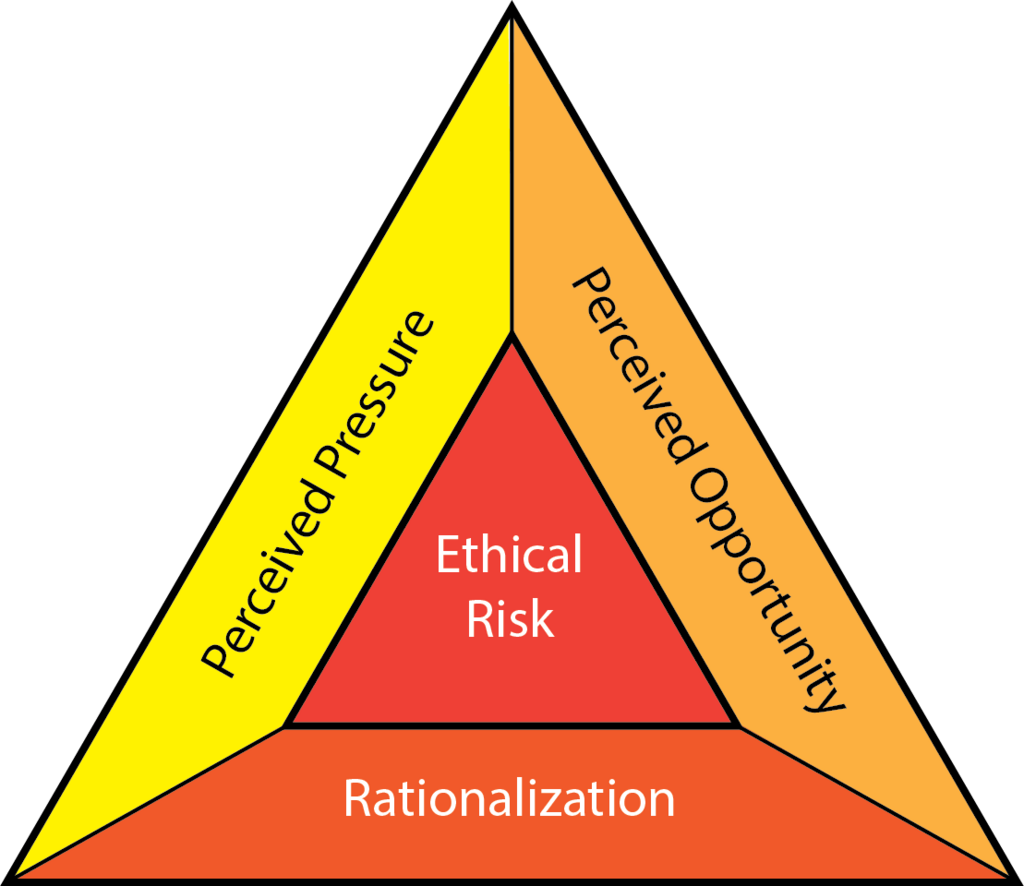
Practicing these principles consistently shows others that you value their intelligence and their right to choose. This doesn't guarantee you'll always persuade them, but it ensures that the interaction remains positive and respectful, preserving the relationship for the future.
Let's check your understanding of these core concepts.
What is the primary goal of ethical persuasion, as described in the text?
A manager wants to convince their team to adopt a new software. Which of the following actions best represents ethical persuasion?
By focusing on honesty and mutual benefit, you move beyond simply influencing people and begin building genuine connections based on trust and respect.