Ethical Persuasion for Influence
Introduction to Ethical Persuasion
What is Ethical Persuasion?
Persuasion is a part of daily life. You might use it to convince your team to try a new approach on a project, or to decide on a vacation spot with your family. At its core, persuasion is about influencing others. But there's a line between influencing someone in a positive way and simply manipulating them.
Ethical persuasion is the art of influencing people while respecting their right to choose freely. It's not about winning an argument at all costs. Instead, it’s about presenting your case clearly and honestly, allowing the other person to make an informed decision that they feel good about. The goal is a positive outcome for everyone, not just for you.
Think of it as a conversation, not a conquest. You're guiding someone to a conclusion, not forcing them into one.
Building Trust and Credibility
Imagine you need advice on a major purchase. Would you listen to a trusted friend who has done their research, or a stranger who seems only interested in making a quick sale? The choice is obvious. Trust is the bedrock of persuasion. Without it, your words have little weight.
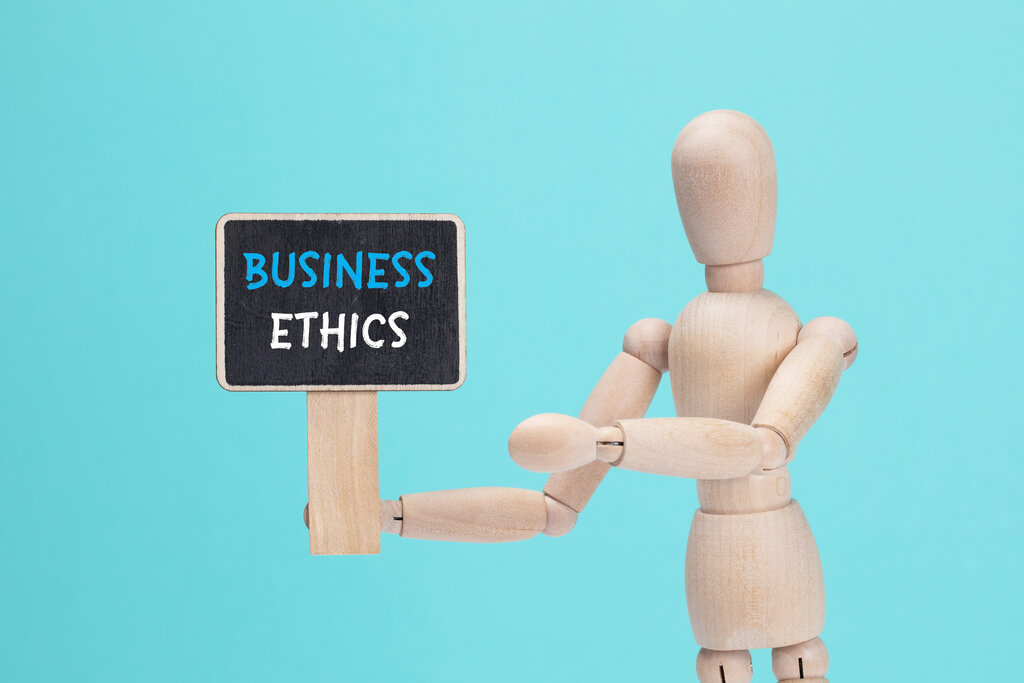
Credibility comes from being knowledgeable, reliable, and transparent. When people see that you are honest about your intentions and consistent in your actions, they are more likely to listen to what you have to say. Building this trust takes time and effort, but it's essential for any meaningful, long-term relationship, whether in business or your personal life.
Trust, or rapport, is the foundation of ethical persuasion.
Aiming for Mutual Benefit
A key difference between persuasion and manipulation lies in the outcome. Manipulation is self-serving; the manipulator wins, and the other person often loses. Ethical persuasion seeks a win-win scenario, where the outcome benefits all parties involved.
This means you need to genuinely understand the other person’s needs, goals, and concerns. What do they hope to achieve? What problems are they trying to solve? When you frame your proposal as a solution that helps them, too, you're not just trying to get your way. You're collaborating on a better result for everyone.
For example, in a negotiation, rather than haggling over a single price point, you might explore other variables like delivery dates, payment terms, or service packages. This creates more opportunities to find a solution that satisfies everyone's most important needs.
Now, let's test your understanding of these core concepts.
What is the primary difference between ethical persuasion and manipulation?
A key component of building credibility for persuasion is being transparent about your intentions and consistent in your actions.
Ethical persuasion is a skill that strengthens relationships and leads to better, more sustainable outcomes. By focusing on trust, credibility, and mutual benefit, you can influence others in a way that is both effective and honorable.