Ethical Persuasion for Influence
Introduction to Ethical Persuasion
What Is Ethical Persuasion?
Persuasion is a part of daily life. We use it when we recommend a movie to a friend, propose a new idea at work, or even decide on a place for dinner. At its core, it's about guiding someone toward a particular idea, attitude, or action. But how we guide them matters.
Ethical persuasion is the practice of influencing others while maintaining respect for their autonomy and well-being. It’s not about winning an argument at all costs. Instead, it focuses on creating a shared understanding and achieving outcomes that are beneficial for everyone involved. It’s a dialogue, not a monologue.
Ethical persuasion respects the recipient’s right to make informed choices, presents information honestly, and aims for mutually beneficial outcomes.
When you persuade ethically, you build trust. People are more likely to listen to you and value your perspective when they feel respected and know you’re being straightforward. This trust is the foundation for strong, positive relationships, both in professional negotiations and personal conversations.
Persuasion vs. Manipulation
The line between persuasion and manipulation can seem blurry, but the distinction is crucial. The key difference lies in intent and transparency.
Ethical persuasion is transparent. It uses honest reasoning and emotional appeal to help someone see a different point of view, but leaves the final decision entirely in their hands. Think of a trusted guide pointing out a path and explaining why it’s a good choice, but letting you decide whether to take it.
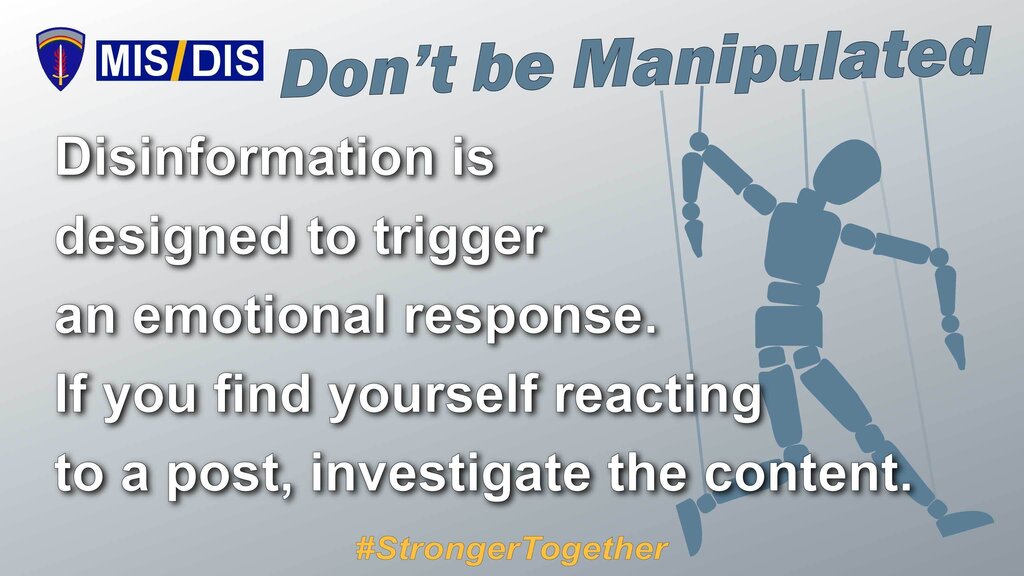
Manipulation, on the other hand, is deceptive. It seeks to influence someone for a personal gain, often by hiding the true purpose, distorting facts, or exploiting vulnerabilities. It’s like a puppeteer pulling strings, controlling the outcome without the other person's full awareness or consent.
Here’s a clear breakdown of the differences:
| Feature | Ethical Persuasion | Manipulation |
|---|---|---|
| Intent | Mutual benefit, shared understanding | Selfish gain, control |
| Method | Honest, transparent, respectful | Deceptive, hidden, exploitative |
| Outcome | Builds trust and relationships | Damages trust and relationships |
| Choice | Empowers the individual to choose freely | Pressures or tricks into a decision |
The Foundation of Trust
Three core principles form the foundation of ethical persuasion: transparency, honesty, and respect for autonomy.
Without these elements, persuasion can quickly slide into manipulation.
Transparency and Honesty Being transparent means you are open about your intentions. The other person understands why you are trying to persuade them. Honesty is about the information you provide. It means presenting facts truthfully, avoiding exaggeration, and not omitting key details that could change the other person's perspective.
Respect for Autonomy This is the most important principle. Autonomy is a person's right to make their own choices. Ethical persuasion respects this right completely. It means presenting your case and then stepping back, allowing the other person the space to decide for themselves without pressure, guilt, or coercion. You're providing information, not issuing a command.
When these principles guide your communication, you're not just trying to get what you want. You are building stronger, more resilient relationships based on mutual respect. This approach is not only more ethical but also far more effective in the long run.
Let's review these foundational concepts.
What is the primary goal of ethical persuasion?
What is the key factor that distinguishes ethical persuasion from manipulation?