Ethical Persuasion for Influence
Introduction to Ethical Persuasion
What Is Ethical Persuasion?
Persuasion is a part of daily life. We use it when we recommend a movie to a friend, propose a new idea at work, or even decide on a place for dinner. At its core, persuasion is the act of influencing someone's beliefs or actions. But the how is what really matters. That’s where ethics comes in.
Ethical persuasion is about guiding someone to a decision in a way that is honest, fair, and respects their autonomy. Think of it like building a bridge to a shared understanding. You lay out the materials—facts, reasons, and your perspective—and allow the other person to walk across willingly. The goal isn't to win an argument, but to arrive at a mutually beneficial outcome.
Ethical persuasion respects the recipient’s right to make informed choices, presents information honestly, and aims for mutually beneficial outcomes.
It’s about being transparent with your intentions and truthful with your information. This approach invites cooperation rather than demanding compliance. When you persuade ethically, you empower the other person to make a choice, confident that they have the information they need.
Persuasion vs. Manipulation
The line between persuasion and manipulation can seem blurry, but the fundamental difference lies in intent and transparency. Ethical persuasion seeks to create a win-win scenario. Manipulation, on the other hand, is about securing a win for yourself, often at the other person's expense.
Manipulation works by distorting information, hiding true intentions, or preying on emotional vulnerabilities. It’s a trap disguised as a shortcut. While it might lead to a quick victory, it relies on deception and disrespects the other person's right to choose freely.
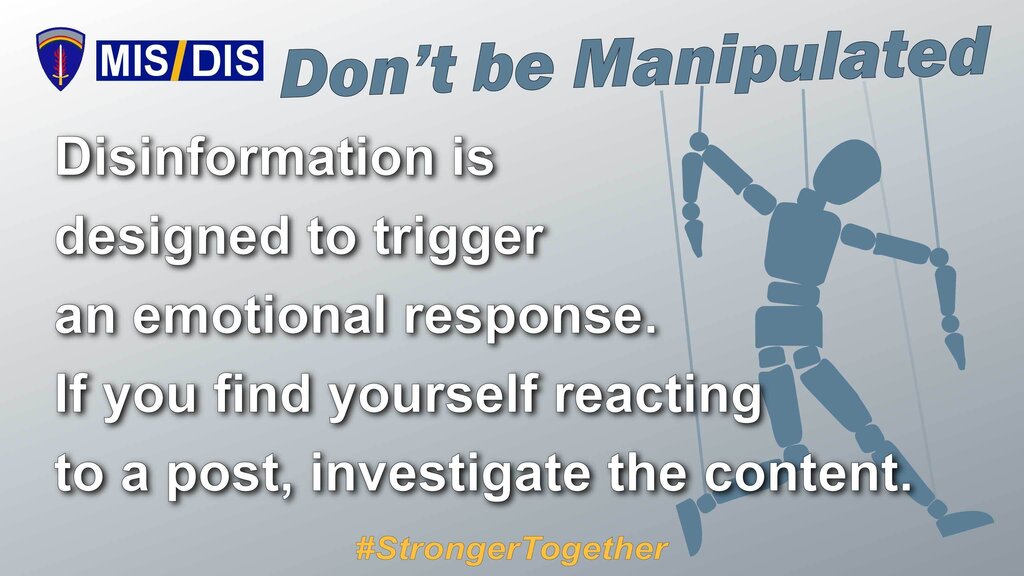
Understanding this distinction is key to both influencing others honorably and recognizing when you might be being manipulated yourself. Here’s a simple breakdown:
| Feature | Ethical Persuasion | Unethical Manipulation |
|---|---|---|
| Intent | Mutual benefit | Selfish gain |
| Transparency | Honest and open | Deceptive and hidden |
| Information | Presents facts clearly | Distorts or omits facts |
| Choice | Empowers the individual | Restricts or forces a choice |
| Outcome | Builds long-term trust | Erodes trust and relationships |
The Power of Trust
So why choose the ethical route when manipulative tactics can sometimes seem more effective in the short term? The answer is trust. Trust is the foundation of any healthy, lasting relationship, whether it's with a client, a coworker, or a friend.
Every time you persuade ethically, you make a deposit into a shared account of trust. You show that you are reliable, that you respect the other person, and that you are committed to a positive outcome for both of you. This builds a strong reputation and makes future interactions smoother and more productive.
Manipulation might win a single battle, but it will lose the war. The cost is always trust, which is far more valuable than any short-term gain.
Conversely, resorting to manipulation is like taking a loan you can never repay. Once trust is broken, it's incredibly difficult to rebuild. A reputation for being manipulative will follow you, making people wary and skeptical of your intentions. In the long run, an ethical approach isn't just the right thing to do; it's the smart thing to do.
What is the fundamental difference between ethical persuasion and manipulation?
Ethical persuasion is described as building a bridge to a shared understanding. What does this metaphor imply?
Ethical persuasion is a mindset, not just a set of techniques. By focusing on honesty, respect, and mutual benefit, you can influence others in a way that strengthens relationships and builds a foundation of lasting trust.