Ethical Persuasion for Influence
Introduction to Ethical Persuasion
What Is Ethical Persuasion?
Persuasion is a part of daily life. We persuade a friend to see a movie, a colleague to help with a project, or a child to eat their vegetables. At its core, persuasion is about influencing others to agree with a belief or follow a course of action. But how we influence them is what separates ethical persuasion from its darker cousins.
Ethical persuasion is the practice of influencing others while respecting their autonomy and aiming for a mutually beneficial outcome. It’s not about winning an argument at all costs. Instead, it’s about open communication built on honesty, transparency, and a genuine concern for the other person’s interests.
Ethical persuasion respects the recipient’s right to make informed choices, presents information honestly, and aims for mutually beneficial outcomes.
Think of it as a collaborative process. You present your case clearly and truthfully, giving the other person the space and information they need to make their own decision. The goal isn't just to get a 'yes,' but to build a relationship founded on trust.
Persuasion vs. Manipulation
It's easy to blur the line between influencing someone and manipulating them. The key difference lies in intent and transparency. Ethical persuasion is an open hand; manipulation is a hidden string.
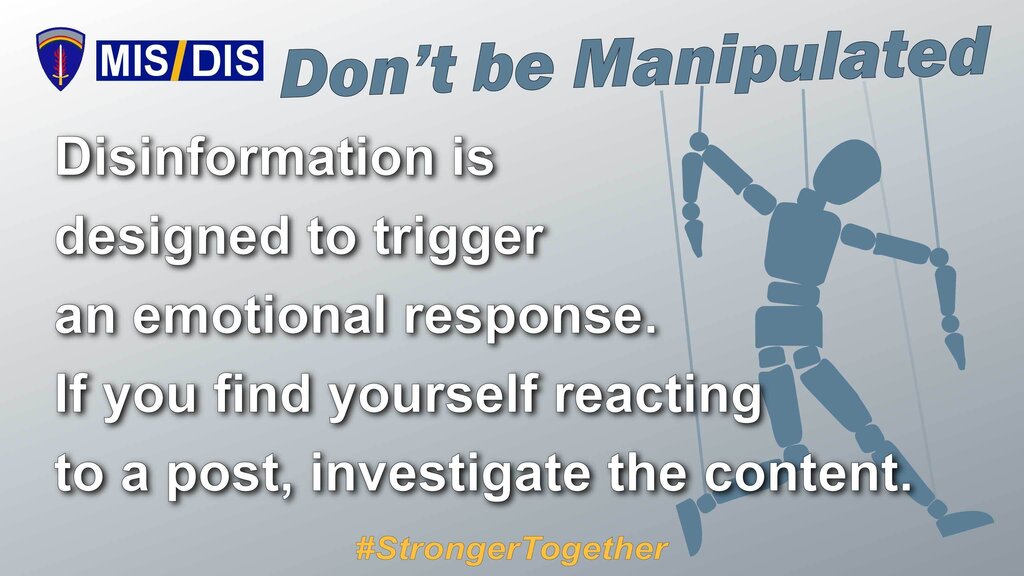
Coercion is another unethical tactic, but it's more direct. It involves forcing someone to act against their will through threats or intimidation. Here’s a breakdown of how these three concepts differ:
| Tactic | Intent | Transparency | Outcome |
|---|---|---|---|
| Ethical Persuasion | Mutual benefit | High (Honest & Open) | Win-Win |
| Manipulation | Selfish gain | Low (Deceptive & Hidden) | Win-Lose |
| Coercion | Domination | N/A (Uses Threats) | Win-Lose |
For example, an ethical car salesperson provides all the facts about a vehicle, answers questions honestly, and respects a customer's decision. A manipulative salesperson might omit information about a car's history or create false urgency. A coercive approach would involve threatening to withdraw a supposed 'special offer' unless the customer buys immediately.
Why It Matters
Unethical persuasion might score a quick victory, but it almost always leads to long-term failure. When people realize they've been manipulated or coerced, trust is destroyed. This can irreparably damage professional reputations, client relationships, and team morale.

Integrity is the bedrock of effective persuasion. When people believe you are trustworthy and have their best interests at heart, they are more willing to listen to your ideas and work with you. This trust makes future negotiations and collaborations smoother and more productive.
Trust, or rapport, is the foundation of ethical persuasion.
Ultimately, practicing ethical persuasion isn't just about being a good person, it's about being effective. It allows you to influence others in a sustainable way that strengthens relationships rather than undermining them.
Time to check your understanding of these core concepts.
What is the primary goal of ethical persuasion?
The key difference between ethical persuasion and manipulation lies in ______ and ______.
Understanding the difference between ethical influence and manipulation is the first step toward becoming a more effective and respected communicator.