Ethical Persuasion for Influence
Introduction to Ethical Persuasion
What is Ethical Persuasion?
Persuasion is a part of everyday life. We use it to suggest a movie to a friend, negotiate a deadline at work, or convince our kids to eat their vegetables. Ethical persuasion is simply doing this with honesty and respect. It’s about influencing others in a way that benefits everyone involved, not just yourself.
The goal isn't to win an argument or trick someone into agreeing with you. It's about clear communication and finding common ground. When you persuade ethically, you present your case transparently and respect the other person's right to make their own decision. You're building a bridge, not setting a trap.
Ethical persuasion respects the recipient’s right to make informed choices, presents information honestly, and aims for mutually beneficial outcomes.
Persuasion vs. Manipulation
It's crucial to understand the line between persuasion and manipulation. The difference comes down to intent and transparency.
| Ethical Persuasion | Manipulation | |
|---|---|---|
| Intent | Aims for a mutual win. | Seeks personal gain, often at another's expense. |
| Method | Uses honest information and clear reasoning. | Relies on deception, half-truths, or emotional pressure. |
| Outcome | Builds trust and strengthens relationships. | Erodes trust and can damage relationships. |
| Choice | Respects the person's freedom to choose. | Aims to control or limit the person's choices. |
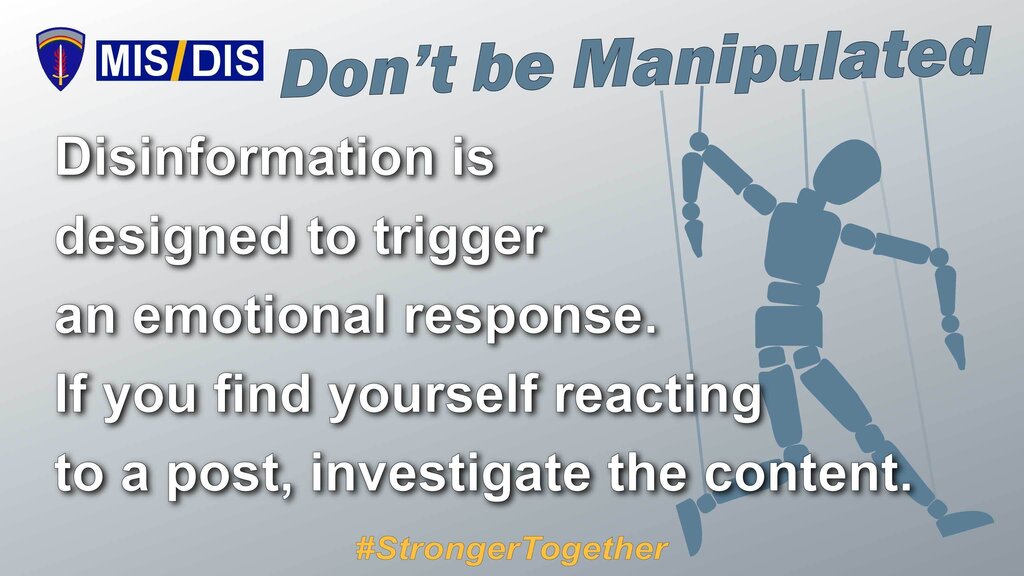
Manipulation often works by creating a sense of urgency, fear, or guilt to push someone into a decision they wouldn't otherwise make. Ethical persuasion empowers people with information, giving them the agency to agree with you on their own terms.
The Foundations of Influence
So, how can we persuade people effectively and ethically? Dr. Robert Cialdini, a psychologist and researcher, spent years studying this question. He identified core principles that guide how people are influenced. These aren't tricks; they are fundamental aspects of human interaction.
Understanding these principles can help you communicate more effectively. They provide a framework for presenting your ideas in a compelling and honest way. Cialdini's key principles are:
- Reciprocity: People feel obligated to give back to others who have given to them first.
- Scarcity: People want more of things they can have less of.
- Authority: People follow the lead of credible, knowledgeable experts.
- Consistency: People like to be consistent with the things they have previously said or done.
- Liking: People prefer to say yes to those that they like.
- Social Proof: People will look to the actions and behaviors of others to determine their own.
We will explore each of these principles in more detail later. For now, the key takeaway is that true influence is built on a foundation of trust and genuine connection, not clever tactics.
Let's check your understanding of these core concepts.
What is the primary goal of ethical persuasion?
Which of the following best describes the key difference between persuasion and manipulation?