Ethical Persuasion for Influence
Introduction to Ethical Persuasion
What is Ethical Persuasion?
Persuasion is a part of everyday life. We use it when we recommend a movie to a friend, discuss a project with a colleague, or negotiate a new contract. But how we persuade matters. Ethical persuasion is the practice of influencing others in a way that is honest, fair, and respects their right to make their own decisions. It’s about building a case, not forcing a conclusion.
At its heart, ethical persuasion focuses on creating a shared understanding and finding mutually beneficial outcomes. It’s a positive-sum game where both parties can walk away feeling satisfied. This approach isn't just about being nice; it's about being effective in the long run. When people feel respected, they are more likely to trust you and engage openly in the future.
Ethical persuasion respects the recipient’s right to make informed choices, presents information honestly, and aims for mutually beneficial outcomes.
Think of it as presenting the best possible information and reasoning, then allowing the other person to come to their own conclusion. It’s a dialogue, not a monologue.
Persuasion vs. Manipulation
The line between persuasion and manipulation can seem blurry, but the distinction is crucial. The key difference lies in intent and transparency.
Ethical persuasion seeks to guide. Manipulation aims to control.
Manipulation involves deception, coercion, or exploiting someone's vulnerabilities for your own benefit. It often relies on hiding information, using high-pressure tactics, or preying on emotions like fear or guilt. For example, a salesperson who knowingly hides flaws in a product to make a quick sale is manipulating the customer.
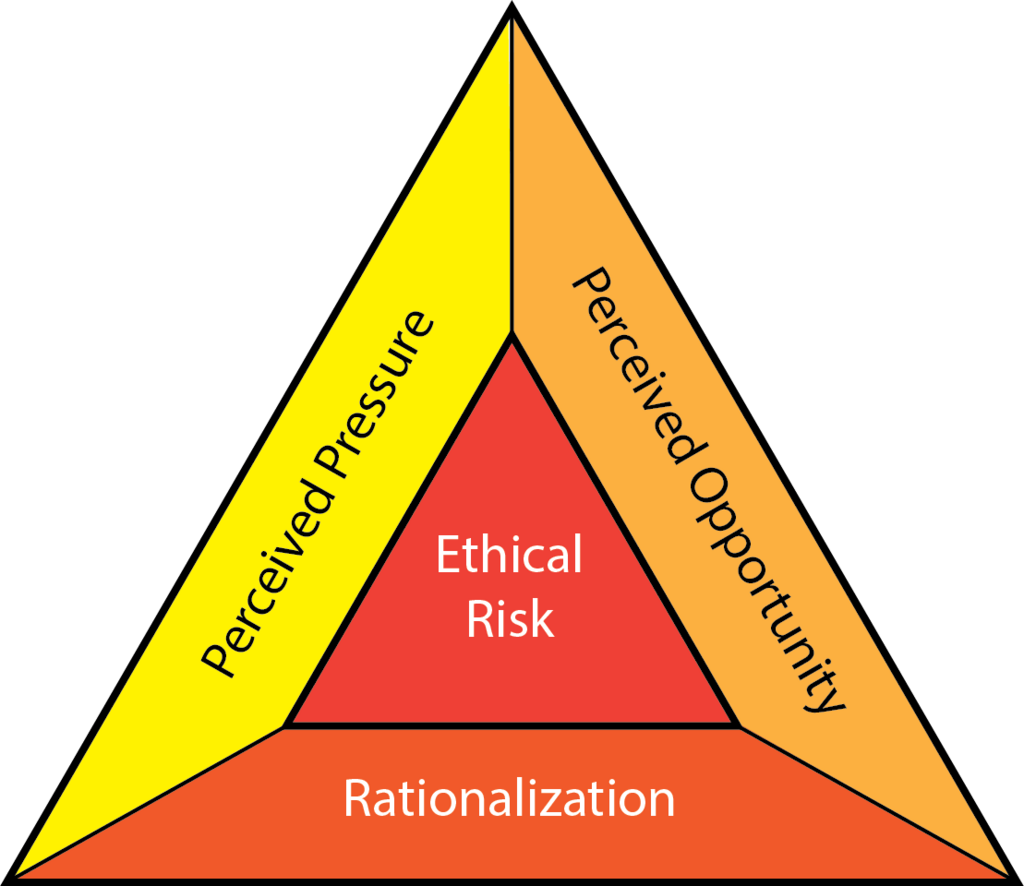
Ethical persuasion, on the other hand, is transparent. It’s about laying your cards on the table. You present your case with clear facts, sound reasoning, and genuine intentions. The goal is to help the other person see why your suggestion is a good choice for them, based on their own needs and values.
| Ethical Persuasion | Unethical Manipulation |
|---|---|
| Intent: Mutual benefit | Intent: Selfish gain |
| Method: Honesty, transparency | Method: Deception, concealment |
| Focus: Logic and shared values | Focus: Exploiting emotions, pressure |
| Outcome: Builds trust | Outcome: Destroys trust |
Understanding this difference is the first step toward becoming a more effective and respected communicator. By committing to an ethical approach, you build a foundation of credibility that makes your arguments more powerful and your relationships stronger.