Ethical Persuasion for Impact
Introduction to Ethical Persuasion
What Is Ethical Persuasion?
At its core, persuasion is the art of guiding someone toward a particular idea, attitude, or action. We do it every day, whether we're recommending a movie to a friend, suggesting a new workflow to a colleague, or negotiating a deadline. It's a fundamental part of how we communicate and collaborate.
But not all persuasion is created equal. The key is how you influence others. Ethical persuasion is about doing so with honesty, transparency, and a genuine respect for the other person's autonomy. It's not about winning an argument at any cost; it's about finding common ground and creating mutually beneficial outcomes.
Ethical persuasion respects the recipient’s right to make informed choices, presents information honestly, and aims for mutually beneficial outcomes.
Think of it as a collaborative process. Instead of pushing your agenda, you're presenting a case that allows others to make a clear, informed decision for themselves. The goal is to build understanding and agreement, not to force compliance.
Persuasion vs. Manipulation
The line between persuasion and manipulation can seem blurry, but the distinction is critical. The difference lies in intent and transparency.
Ethical persuasion is open and honest. It respects the other person's intelligence and right to choose. Manipulation, on the other hand, relies on deception, coercion, or exploiting vulnerabilities to serve one's own interests, often at the other person's expense.
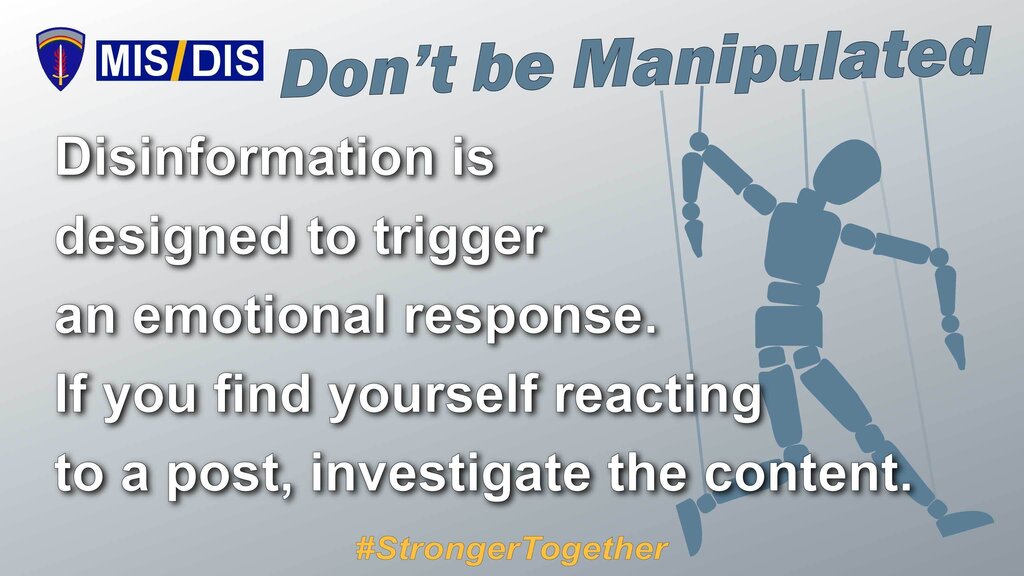
A manipulator might hide key information, use emotional pressure, or misrepresent the facts to get what they want. It’s a short-sighted strategy that prioritizes a quick win over a healthy relationship. Here’s a simple breakdown of the differences:
| Ethical Persuasion | Manipulation | |
|---|---|---|
| Intent | Create a win-win outcome | Create a win-lose outcome |
| Method | Honest, transparent, respectful | Deceptive, coercive, exploitative |
| Focus | Mutual benefit and understanding | Self-interest and control |
| Outcome | Builds trust and relationships | Destroys trust and relationships |
Trust Is the Foundation
Why does this distinction matter so much? Because the foundation of any lasting relationship—whether in business, friendship, or teamwork—is trust.
Every time you influence someone ethically, you lay another brick in that foundation. You show that you are reliable, that you respect them, and that you have their best interests at heart. This builds goodwill and makes future collaborations smoother and more productive.
Imagine a car salesperson. One tells you a used car is perfect, hiding the fact that it has a history of engine trouble. They make the sale, but you'll never trust them again. Another salesperson is upfront about a minor issue but highlights the car's strong safety record and fair price. Even if you don't buy, you leave respecting their honesty and are more likely to return or recommend them.
Manipulation might get you what you want in the short term, but it burns bridges. Once someone feels they've been tricked or misled, the trust is broken, and it's incredibly difficult to repair. Ethical persuasion is an investment in the long game. It builds a reputation for integrity, which is far more valuable than any single victory.
Now, let's check your understanding of these core concepts.
What is the primary goal of ethical persuasion?
What key factor distinguishes manipulation from ethical persuasion?
By focusing on honesty and mutual respect, you can influence others effectively while strengthening your relationships at the same time.