Ethical Hacking Web Applications
Introduction to Web Application Security
How Web Apps Talk
Web applications feel simple to use, but there's a constant conversation happening behind the screen. This process usually involves three key players: the client, the server, and the database.
- The Client: This is your web browser. When you type a website address or click a link, your browser (the client) sends a request out to the internet.
- The Server: This is a powerful computer that stores the website's files and logic. It listens for requests from clients. When your request arrives, the server processes it, figures out what you need, and prepares a response.
- The Database: This is where the application's data lives, like user profiles, product information, or blog posts. The server often needs to talk to the database to get the right information to fulfill your request.
The server packages everything up into a webpage and sends it back to your browser, which then displays it for you. This whole round trip happens in seconds.
This three-part structure is common, and each part can be a target for attackers. Securing a web application means protecting the client, the server, and the database, as well as the connections between them.
The Language of Security
To understand security, we need to speak the language. A few key terms pop up all the time. Think of it like securing a house. An unlocked door is a weakness, but it's not a problem until someone decides to walk through it.
Vulnerability
noun
A weakness or flaw in a system that could be accidentally triggered or intentionally exploited.
In our house analogy, a vulnerability is the unlocked door or an open window. It's a weakness waiting to be discovered.
Threat
noun
Any potential danger that can exploit a vulnerability. A threat is what could happen.
A threat is the burglar scouting the neighborhood. They haven't done anything yet, but they represent a potential danger to your house.
Risk
noun
The potential for loss or damage when a threat exploits a vulnerability. It combines the likelihood of an attack with its potential impact.
Risk = Likelihood of Threat × Potential Impact
Risk is the chance the burglar will actually try your unlocked door, combined with the value of what's inside your house. An unlocked shed has a lower risk than an unlocked bank vault.
Why Security Matters
Web application security isn't just about protecting code; it's about protecting people and businesses. A security breach can lead to stolen customer data, financial loss, and a damaged reputation. When you use an app, you trust it with your information. That trust is fragile.
Poor security can expose personal emails, passwords, and credit card numbers. For a business, a single attack can disrupt operations for days and cost millions of $ to fix. That's why building secure applications from the ground up is so important.
It's crucial to implement web application security throughout the development lifecycle, from design to deployment to maintenance.
So how do we find these vulnerabilities before the real attackers do? That's where a different kind of hacker comes in.
Hackers for Good
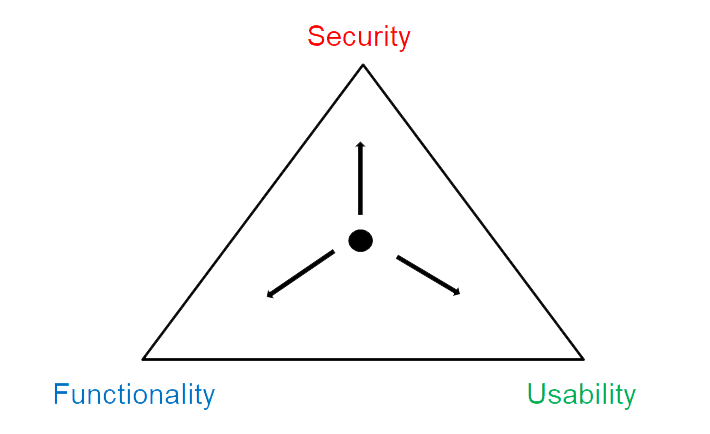
Ethical hacking, also known as penetration testing, is the practice of probing a system for vulnerabilities with the owner's permission. An ethical hacker thinks like a malicious attacker. They test an application's defenses to find weak spots, but instead of exploiting them for personal gain, they report them so they can be fixed.
They are the digital equivalent of hiring someone to try and break into your house to show you where your locks are weak. By simulating an attack, organizations can understand their risks and strengthen their defenses before a real incident occurs. It's a proactive approach to security, turning the tables on attackers by using their own methods against them.
Now that you understand the basics, let's test your knowledge.