Ethical Hacking Fundamentals
Ethical Legal Frameworks
The Professional's Playbook
Breaking into a system is just one small part of the job. What truly separates a professional security tester from a criminal is not the skillset, but the rulebook they follow. Ethical hacking isn't a free-for-all; it's a structured, sanctioned, and highly regulated discipline. The entire process is built on a foundation of trust, transparency, and, most importantly, explicit permission. Without these, a security audit is indistinguishable from a malicious attack.
Ethical hackers’ efforts are authorised and intentional – operating under stringent ethical and legal standards to ensure the safety and integrity of the systems being tested.
This distinction is crucial. A professional doesn't just find vulnerabilities; they operate within a carefully defined framework designed to improve security without causing harm. It's the difference between a building inspector who has the keys and a burglar who picks the lock.
Rules of Engagement
Every professional security assessment begins with a document known as the Rules of Engagement, or RoE. Think of it as the contract for the entire operation. It's a formal agreement between the security team and the client that lays out exactly what is, and is not, allowed. This document is the ethical hacker's most important tool, as it provides the legal and professional mandate for the test.
An RoE specifies the scope of the test, such as which IP addresses, applications, or physical locations are fair game. It also defines the timeline, including working hours, to prevent testing from occurring at disruptive times. Finally, it outlines limitations, like prohibiting Denial-of-Service (DoS) attacks or accessing specific sensitive data, and lists emergency contacts in case something goes wrong.
Navigating the Law
Operating without clear authorization is not just unprofessional, it's illegal. Several major legal frameworks govern computer access and data privacy, and ignorance is not a defense. For security professionals in the United States, the most significant is the Computer Fraud and Abuse Act. This law makes it a federal crime to access a computer without authorization, or to exceed authorized access. This is why the RoE is so critical—it is your documented authorization.
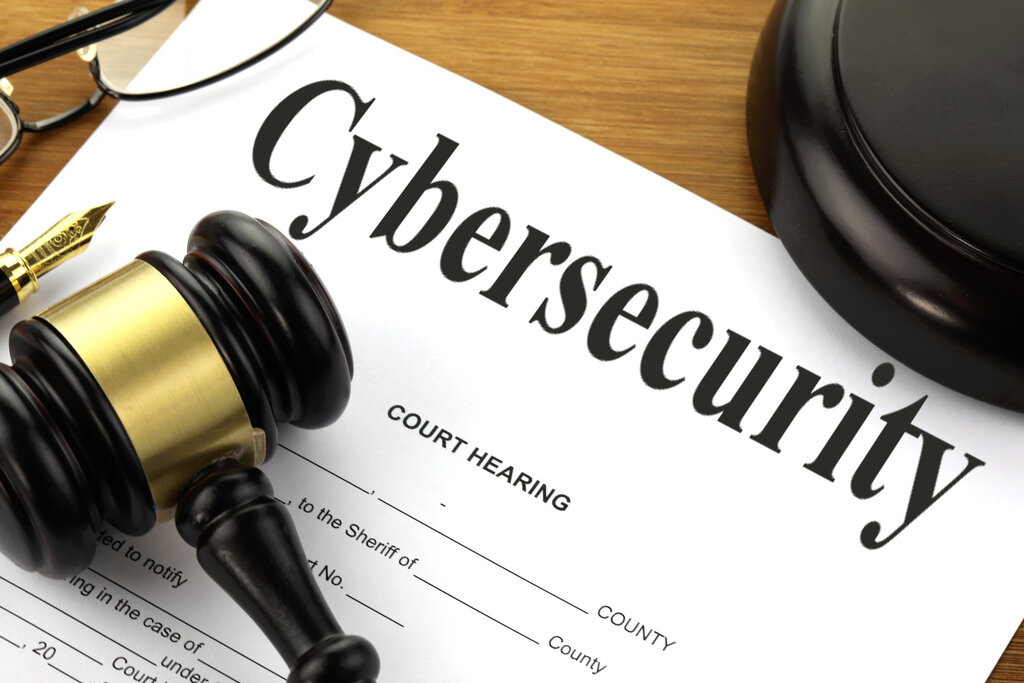
Beyond just access, data privacy laws have huge implications. The General Data Protection Regulation (GDPR) in Europe and the Health Insurance Portability and Accountability Act (HIPAA) in the U.S. impose strict rules on handling personal and health data. If a penetration test involves systems containing this type of information, the RoE must specify exactly how that data will be handled, stored, and protected to avoid massive legal penalties.
Do No Harm
The guiding principle for any ethical hack is simple: do no harm. This is often called the Harm Principle. Your job is to find vulnerabilities, not to exploit them in a way that disrupts business operations, corrupts data, or compromises user privacy. A malicious attacker wants to cause chaos; a professional wants to find where chaos could happen and help prevent it.
This means you don't crash the production server during business hours, even if you find a vulnerability that allows it. Instead, you document the finding in your report, explain the potential impact, and recommend a fix.
Operational safety is paramount. Testers often work in non-production or staging environments to minimize risk. When testing live systems is unavoidable, it's done during low-traffic maintenance windows and with extreme caution. The goal is to leave the system exactly as you found it, only with the owner now aware of its weaknesses.
Ready to test your knowledge? Let's see what you've learned about the legal and ethical side of penetration testing.
What is the primary document that provides the legal and professional mandate for a security assessment, defining what is and is not allowed?
A security tester discovers a major vulnerability on a server with an IP address that is explicitly listed as "out-of-scope" in the RoE. What is the most ethical course of action?
Understanding these boundaries is what elevates hacking from a technical skill into a professional service. By adhering to a strict code of conduct, obtaining explicit permission, and respecting legal frameworks, ethical hackers provide an invaluable service that strengthens digital defenses for everyone.