Ethical Hacking Fundamentals
Introduction to Ethical Hacking
What Is Ethical Hacking?
Think of ethical hacking as a security stress test. An organization hires a trusted professional to try and break into their computer systems, just like a malicious hacker would. The goal isn't to cause damage, but to find security holes before the real attackers do. It's a proactive defense.
Ethical hackers, also known as white-hat hackers, play a critical role in fortifying cybersecurity defenses.
These professionals, often called penetration testers or “white hats,” use the same tools and techniques as their malicious counterparts. By mimicking a real attack, they can identify vulnerabilities in networks, applications, and human processes. The company then gets a detailed report on its weaknesses and advice on how to fix them, strengthening their overall security.

The Rules of Engagement
The single most important word in ethical hacking is “permission.” Acting without explicit, written authorization is not ethical hacking; it's a crime. Before any testing begins, ethical hackers and the client agree on a strict set of rules.
This scope of work defines what systems can be tested, what methods are allowed, and the timeframe for the assessment. It's the legal and ethical boundary that separates a white hat from a black hat.
Adhering to a strong code of ethics is non-negotiable. This means respecting privacy, avoiding damage to systems, and reporting all findings transparently to the client so they can fix the issues.
Ethical hacking must be conducted with appropriate legal and ethical considerations in mind.
A Spectrum of Hackers
The term “hacker” covers a wide range of motivations and ethics. People are generally grouped into three main categories, often described by the color of their metaphorical hat.
White Hat
noun
The good guys. These are cybersecurity professionals who hack with permission to find and fix vulnerabilities. Their work is legal, ethical, and aimed at improving security.
White hats are the backbone of a strong defensive security strategy.
Black Hat
noun
The bad guys. These hackers act illegally and without permission, often for personal gain, cyber espionage, or just to cause chaos. They exploit vulnerabilities to steal data, disrupt services, or hold systems for ransom.
Their actions are what we typically associate with cybercrime.
Gray Hat
noun
A mix of both. Gray hats might find and report vulnerabilities without permission, but usually with good intentions, like alerting a company to a flaw. However, their methods are still legally questionable because they act without prior consent.
| Hat Type | Motivation | Legality |
|---|---|---|
| White Hat | Improve security, professional work | Always legal |
| Black Hat | Financial gain, espionage, malice | Always illegal |
| Gray Hat | Recognition, curiosity, sometimes for a fee | Legally ambiguous |
The Game Plan
Ethical hacking isn't a random process. It follows structured methodologies to ensure the testing is thorough, repeatable, and safe. These frameworks guide the hacker through a series of phases, making sure no stone is left unturned.
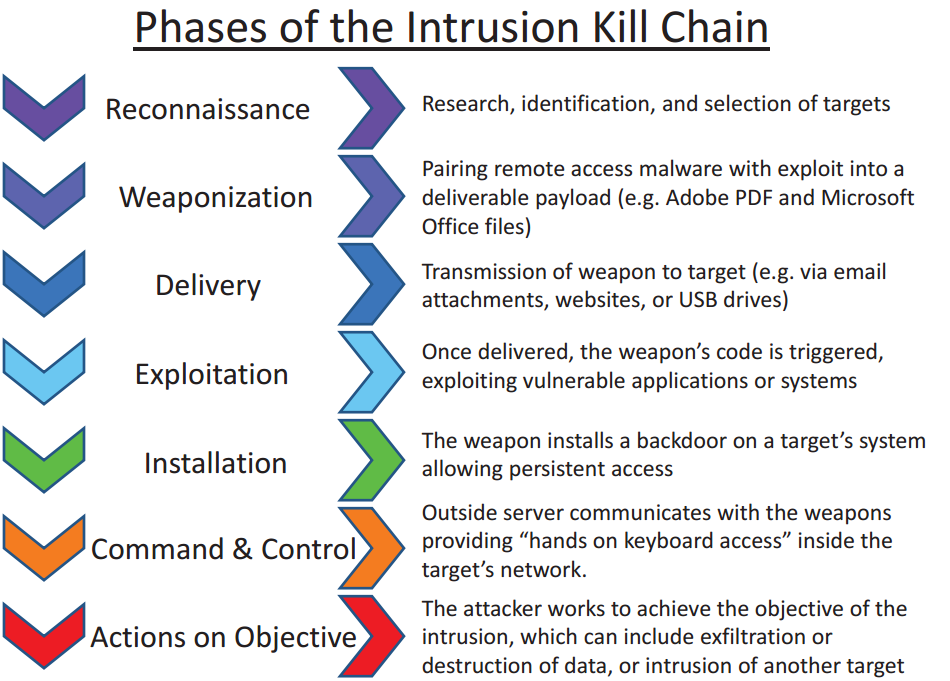
While different methodologies exist, they generally share a common structure:
- Reconnaissance: Gathering information about the target.
- Scanning: Using tools to find open doors and potential weaknesses.
- Gaining Access: Exploiting a vulnerability to get into the system.
- Maintaining Access: Ensuring a persistent connection to the system.
- Covering Tracks: Removing evidence of the intrusion.
Finally, the most critical step for an ethical hacker is Reporting. They document their findings, explain the risks, and provide recommendations for remediation.
Tools of the Trade
Ethical hackers use a wide array of software tools to perform their assessments. Many of these tools come bundled in specialized operating systems designed for security testing.
Kali Linux is an indispensable platform for ethical hackers and cybersecurity professionals.
Inside environments like Kali Linux, you'll find tools for every stage of a penetration test. For example:
- Nmap: Used for network scanning to discover hosts and services.
- Wireshark: A network protocol analyzer that lets you see what’s happening on your network at a microscopic level.
- Metasploit Framework: A powerful tool for developing and executing exploit code against a remote target machine.
- Burp Suite: A popular platform for testing the security of web applications.
Knowing which tool to use and when is a key skill for any ethical hacker.
Now, let's test your understanding of these foundational concepts.
What is the primary purpose of ethical hacking?
What single element is the most crucial differentiator between ethical hacking and a criminal act?
Ethical hacking is a crucial field that helps keep organizations safe by thinking like an attacker. It combines technical skill with a strong ethical compass to find and fix security flaws before they can be exploited.