Ethical Hacking Fundamentals
Introduction to Ethical Hacking
What is Ethical Hacking?
Imagine you own a jewelry store. To make sure it's secure, you might hire a professional locksmith to try and break in. They'd test the locks, check the windows, and look for weak spots in the alarm system. Their goal isn't to steal anything, but to show you where you're vulnerable so you can fix the problems before a real burglar does.
Ethical hacking works the same way, but for computer systems. It's the practice of testing a system's security for weaknesses that a malicious attacker could exploit. By finding these flaws first, organizations can patch them up and strengthen their defenses. The core purpose is simple: make systems safer by thinking like an attacker.
Ethical hacking is used to find potential security issues in computer systems and networks.
These security professionals are often called "white hat" hackers. They operate with the full knowledge and permission of the system's owner, making their actions both legal and valuable.
White Hats vs. Black Hats
The key difference between an ethical hacker and a malicious one comes down to two things: permission and intent. While both might use similar tools and techniques, their goals are worlds apart.
An ethical, or "white hat," hacker works to improve security. A malicious, or "black hat," hacker works to cause harm, steal information, or disrupt services for personal gain. This distinction is the most important concept in cybersecurity ethics.

Here’s a simple breakdown of the differences.
| Feature | Ethical Hacker (White Hat) | Malicious Hacker (Black Hat) |
|---|---|---|
| Motivation | To identify and fix security flaws. | Financial gain, data theft, or disruption. |
| Permission | Always has explicit permission. | Has no permission. |
| Legality | Legal and contractually agreed upon. | Illegal and punishable by law. |
| Outcome | Provides a detailed report of vulnerabilities. | Exploits vulnerabilities or sells the information. |
Staying Within the Law
The line between ethical and malicious hacking is a legal one. Acting without permission is a crime, regardless of your intentions. That's why the first and most critical step for any ethical hacker is getting explicit, written authorization from the owner of the system they plan to test.
This authorization usually takes the form of a contract that clearly defines the scope of the engagement. The scope outlines exactly what systems can be tested, what methods can be used, and the timeframe for the assessment. Sticking to this scope is essential for ensuring the work remains legal and ethical.
The system owner's express permission and authorization are required for ethical hacking to take place.
Beyond getting permission, an ethical hacker has a responsibility to be professional. This includes respecting privacy, avoiding disruptions to business operations, and reporting all findings honestly and confidentially to the client. The goal is to help, not to show off or cause problems.
The Role of an Ethical Hacker
An ethical hacker's job is to simulate a real cyberattack. They mimic the strategies and actions of malicious actors to discover how a system's defenses hold up. This process involves several phases, often following a framework known as the "Intrusion Kill Chain," which maps out the typical stages of an attack.
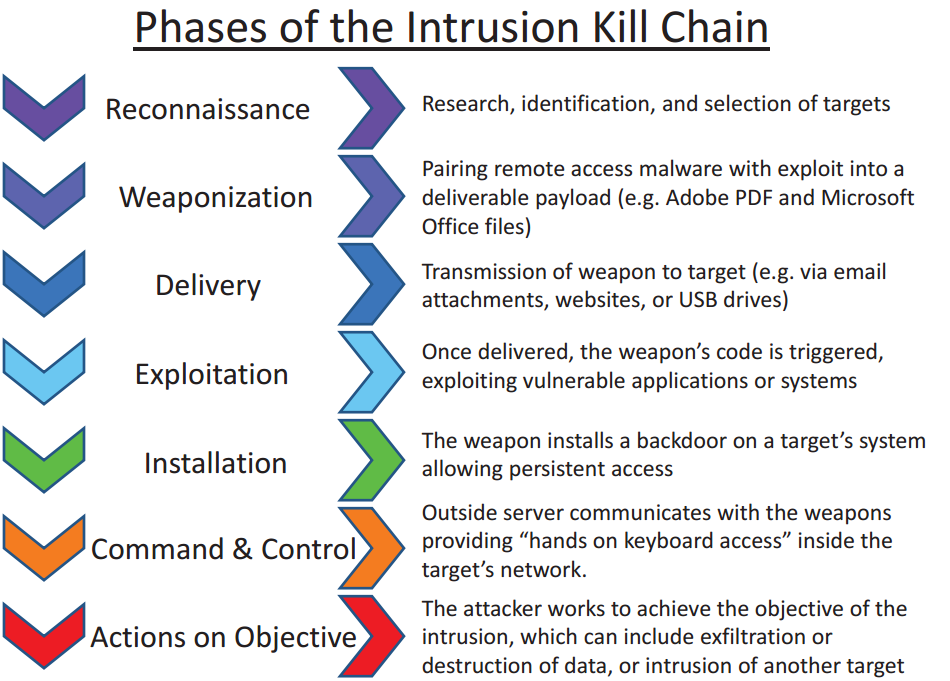
A typical engagement might involve:
- Reconnaissance: Gathering information about the target system from public sources.
- Scanning: Using tools to identify open ports, running services, and potential vulnerabilities.
- Gaining Access: Attempting to exploit a discovered vulnerability to get into the system.
- Maintaining Access: Testing if it's possible to remain in the system undetected.
- Reporting: Documenting all findings, explaining the risks, and recommending solutions.
The final report is the most important part of the job. It's the roadmap the organization uses to strengthen its security and protect itself from real threats.
Now, let's test what you've learned.
What is the primary goal of ethical hacking?
The most critical factor distinguishing an ethical hacker from a malicious one is the level of technical skill they possess.
Ethical hacking is a critical part of a strong cybersecurity strategy. It's all about finding and fixing weaknesses before the bad guys can exploit them, always operating with permission and a clear ethical code.