Ethical Hacking Fundamentals and Practice
Ethical Hacking Process
Structuring the Hack
Ethical hacking isn't about chaotic, random attacks. It's a systematic science. Professionals don't just start guessing passwords; they follow structured methodologies to ensure their assessments are thorough, repeatable, and safe. These frameworks provide a roadmap for finding vulnerabilities before malicious actors do.
One of the most well-known models for understanding an adversary's process is the , developed by Lockheed Martin. It outlines the typical stages of an attack, from initial research to final objectives. For creating robust security programs, many organizations turn to frameworks like the , which provides high-level guidance on managing cyber risk. And for web applications, the OWASP Testing Guide is an industry standard.
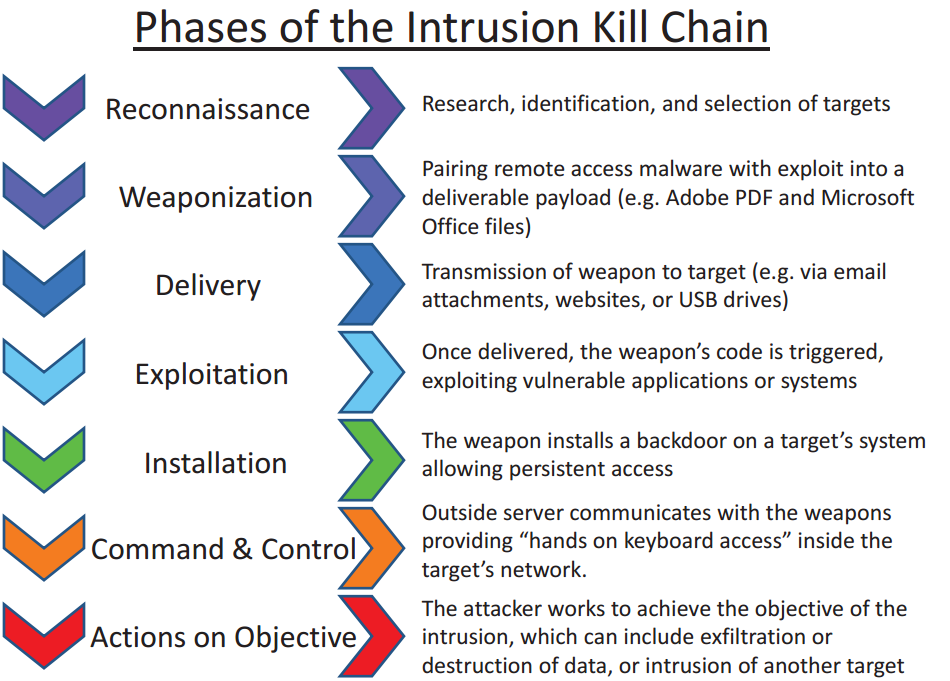
Understanding models like the Cyber Kill Chain helps you think like an attacker. But when it's time to act, ethical hackers perform a penetration test, often called a pen test. This is different from a vulnerability assessment. A vulnerability assessment is like checking all the doors and windows of a house to see if any are unlocked. A penetration test is trying to actually open the unlocked ones and see how far you can get inside.
A vulnerability assessment produces a list of potential problems. A penetration test demonstrates what a real attacker could do with them.
The Pen Test Phases
While specific methodologies vary, most professional penetration tests follow a core set of phases. Each stage builds on the one before it, moving from broad information gathering to specific, targeted exploitation.
1. Planning & Scoping This is the most important phase. Before a single packet is sent, you must have explicit, written permission from the target organization. This phase involves defining the scope—what systems are in-play, what techniques are allowed, and what the goals of the test are. It also establishes the Rules of Engagement, which are the formal guidelines for the entire test. Skipping this step isn't just bad practice; it's illegal.
2. Reconnaissance Also known as information gathering, this is where you learn as much as possible about your target. It's divided into two types:
- Passive Reconnaissance: Gathering information from publicly available sources without directly interacting with the target. Think Google searches, social media profiles, public records, and DNS lookups.
- Active Reconnaissance: Directly probing the target's systems to gather information. This can be as simple as browsing their website or as complex as identifying server technologies.
3. Scanning Here, you take the information from reconnaissance and use it to actively scan the target's network and applications. You're looking for things like open ports, running services, operating system versions, and potential vulnerabilities. Tools like Nmap are staples in this phase, helping to create a map of the target's digital footprint.
4. Vulnerability Analysis With a map of the target's systems, you now correlate this data with known vulnerabilities. This isn't just about running an automated scanner. It involves cross-referencing service versions with public exploit databases (like Exploit-DB), analyzing system configurations for weaknesses, and using logic to determine which vulnerabilities are most likely to be exploitable and provide a path to your objective.
5. Exploitation This is the phase people usually think of as "hacking." Here, you actively try to gain access to a system by exploiting the vulnerabilities identified in the previous phase. This could involve using pre-built exploit code from a framework like or crafting a custom attack. The goal is to establish a foothold on a target system.
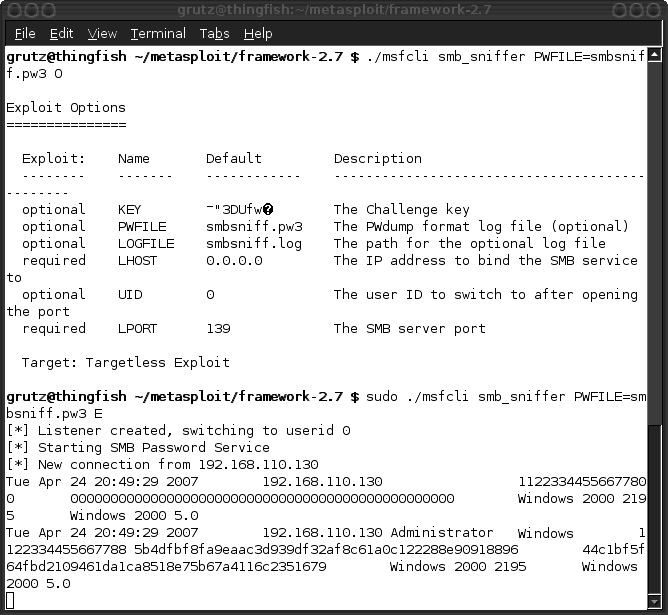
6. Post-Exploitation Once you have a foothold, the job isn't over. The post-exploitation phase is about determining the value of the compromised machine and trying to expand your access. This involves actions like escalating privileges to become an administrator, pivoting to other systems on the network, and identifying sensitive data. This phase demonstrates the true business impact of the initial vulnerability.
7. Reporting Finally, the most critical part of an ethical hack is the report. This is the deliverable that provides value to the client. A good report clearly explains the vulnerabilities that were found, the steps taken to exploit them, and the potential business impact. Most importantly, it provides clear, actionable recommendations for how to fix the issues.
Putting It All Together
This structured, phased approach is what separates a professional security assessment from a simple scan. Each step logically flows into the next, ensuring a comprehensive test that safely identifies and demonstrates risk.
Ethical hackers follow the five-phase attack methodology, which helps them find vulnerabilities before malicious hackers do.
By understanding and following this process, ethical hackers provide an invaluable service: they find the holes so they can be patched before they're used for harm.
What is the primary difference between a vulnerability assessment and a penetration test?
An ethical hacker uses Google searches, reviews an organization's public DNS records, and analyzes employees' public social media profiles. Which activity is being performed?