Ethical Hacking Fundamentals
Introduction to Cybersecurity
What Is Cybersecurity?
Cybersecurity is the practice of protecting computers, networks, and data from digital attacks. Think of it as a digital bodyguard for your online life. In our world, so much of what we value exists online—from personal photos and private messages to bank accounts and company secrets. Keeping that information safe is what cybersecurity is all about.
It's not just for big corporations or governments. If you use a smartphone, shop online, or have an email account, cybersecurity matters to you. The goal is to build layers of protection across devices and networks to stop attackers from getting in and causing trouble.
Cybersecurity is about managing digital risk and protecting what's important to you in the online world.
The Core Principles
To understand how professionals approach cybersecurity, it helps to know the three core principles they focus on. Together, they form what’s known as the CIA triad: Confidentiality, Integrity, and Availability.
These three pillars provide a model for thinking about information security. Let's break them down.
| Principle | What It Means | Simple Analogy |
|---|---|---|
| Confidentiality | Keeping information secret and private. | A sealed envelope. Only the person it's addressed to should be able to open it and read the letter inside. |
| Integrity | Ensuring information is trustworthy and has not been changed. | A legal document. You need to know that no one has altered the terms after it was signed. |
| Availability | Making sure information and systems are accessible when needed. | A library. The books are only useful if the doors are open and you can get to them during operating hours. |
When a security system is working well, it maintains all three. A data breach violates confidentiality. A virus that corrupts your files violates integrity. An attack that crashes a website violates availability.
Common Cyber Threats
Cyber threats are actions designed to disrupt, damage, or gain unauthorized access to a computer system or network. While there are many types, most fall into a few common categories.
Malware
noun
Short for "malicious software," it's any software intentionally designed to cause damage to a computer, server, or network. This includes viruses, worms, spyware, and ransomware.
Ransomware is a particularly nasty type of malware. It encrypts a victim's files, making them inaccessible, and then demands a ransom payment to restore access. It’s like a digital kidnapping of your data.
Phishing
noun
The practice of sending fraudulent emails or other messages that appear to be from reputable sources. The goal is to trick individuals into revealing sensitive information, like passwords or credit card numbers.
Phishing attacks often create a sense of urgency, like saying your account has been compromised or you've won a prize. They rely on human psychology to bypass technical security measures.
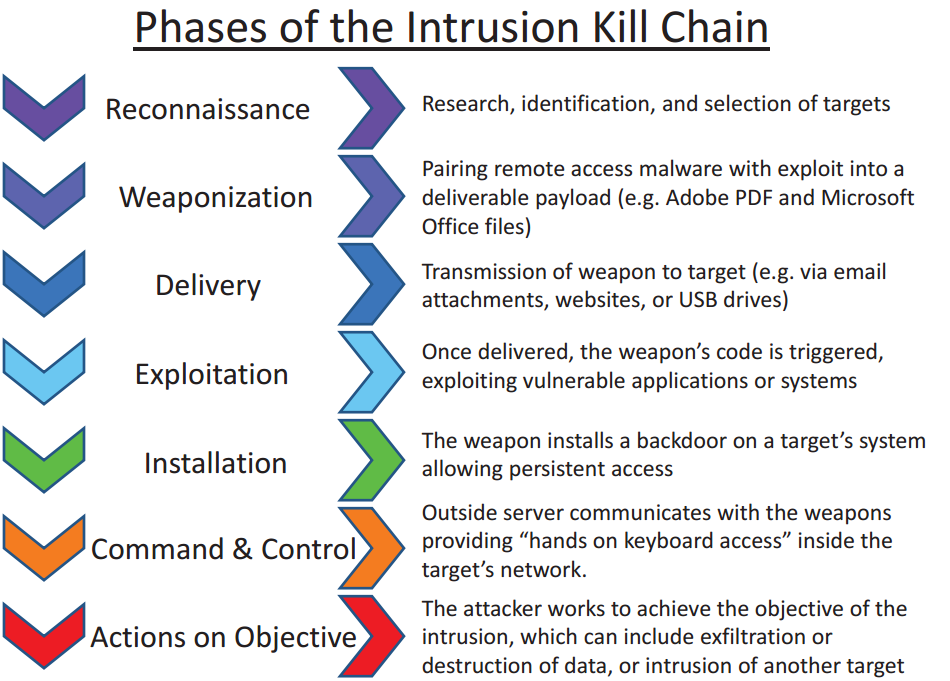
Finally, there are denial-of-service attacks.
A Denial-of-Service (DoS) attack aims to make a machine or network resource unavailable to its intended users by temporarily or indefinitely disrupting services. A common method is to flood the target with so much traffic that it can no longer handle legitimate requests.
Imagine a thousand people all trying to crowd through a single doorway at once. Nobody gets through, including the people who are actually supposed to be there. That’s what a DoS attack does to a website or online service. When multiple computers are used for the attack, it's called a Distributed Denial-of-Service (DDoS) attack.
The Impact
The consequences of these threats can be significant. For individuals, a successful attack might lead to identity theft, financial loss, or the exposure of private information. Imagine someone gaining access to your email and using it to reset the passwords for all your other online accounts. The damage could be widespread and difficult to fix.
For organizations, the impact is magnified. A single breach can result in massive financial losses, damage to the company's reputation, and legal trouble. Hospitals that get hit with ransomware might have to cancel surgeries. Businesses that lose customer data may never regain their trust. Protecting digital systems isn't just a technical problem; it's a fundamental challenge for our modern society.
As cyber threats endanger everyone, from regular users to computing professionals, spreading cybersecurity awareness becomes increasingly critical.
Now, let's test your understanding of these core concepts.
What is the primary goal of cybersecurity?
A hacker successfully alters a patient's medical records in a hospital's database. Which principle of the CIA triad has been violated?
Understanding these basic terms and principles is the first step toward navigating the digital world more safely.