Ethical E-commerce and Legal Marketing Foundations
Counterfeiting Risks
The High Cost of Fake Goods
Selling counterfeit products might seem like a quick way to make money, but it comes with severe legal and financial risks. In the United States, the primary federal statute governing trademarks, service marks, and unfair competition is the . This law gives brand owners powerful tools to protect their intellectual property.
If a brand owner sues a counterfeiter under the Lanham Act, they aren't just seeking to stop the sales. They can sue for significant financial damages. Courts can award up to three times the defendant's profits or the brand's losses, an amount known as treble damages. On top of that, the counterfeiter can be forced to pay the brand owner's attorney fees, which can easily run into tens or hundreds of thousands of dollars.
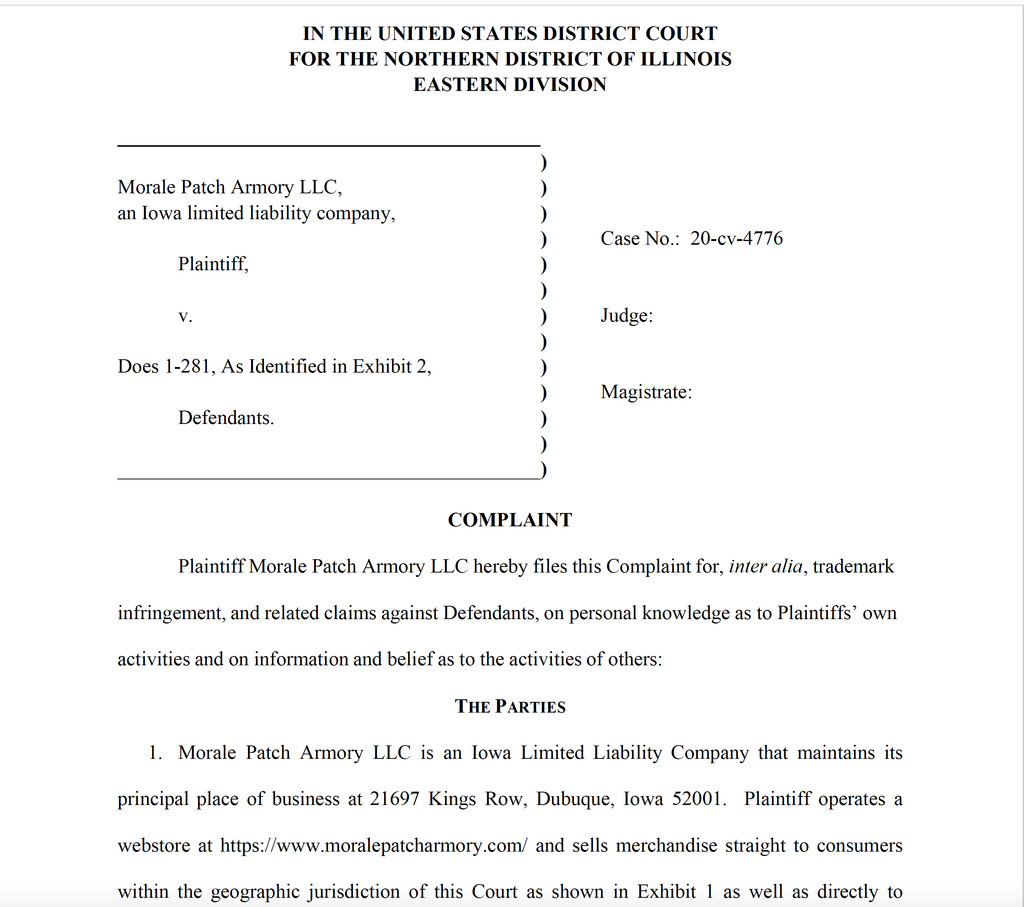
The financial penalties can be even more direct. The law allows for statutory damages, which means a judge can award a specific amount per counterfeit mark, even without proof of actual financial harm. For non-willful infringement, this can be between $1,000 and $200,000 per trademark. If the court finds the infringement was willful, that amount skyrockets to a maximum of $2,000,000 per mark.
More Than Just a Lawsuit
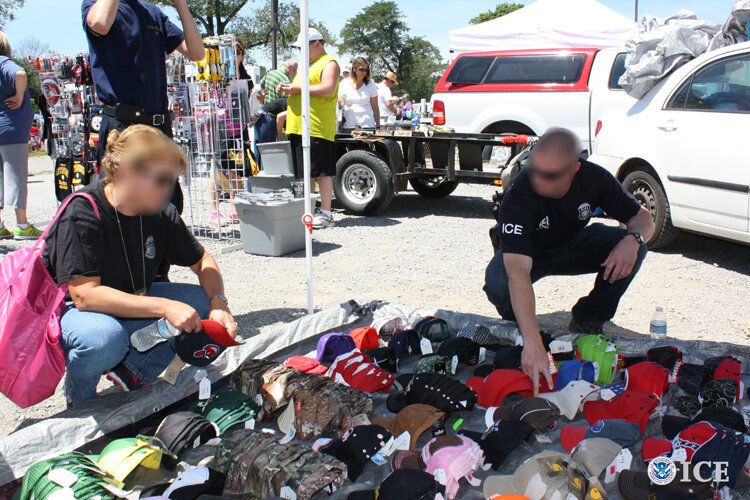
The consequences of counterfeiting extend beyond civil court. It's also a federal crime. This means that in addition to being sued by a company, you could face criminal prosecution by the government, leading to hefty fines and potential prison time.
One of the most immediate and devastating consequences is asset seizure. Law enforcement can seize any property and proceeds traceable to the illegal activity. This includes your inventory, business bank accounts, and equipment. If the business is not a separate legal entity like a corporation, or if the court pierces the corporate veil, you could be found personally liable. This means your personal assets, including your car or even your home, could be seized to pay for the damages.
The Unpredictability Trap
Beyond the legal threats, a business built on counterfeit goods has no real value. It exists in a state of constant risk, what can be called the 'unpredictability trap.' At any moment, a single trademark owner's complaint or a platform audit by a marketplace like Amazon or Shopify could shut down the entire operation instantly. There is no stability and no future.
You cannot sell a business built on illegal activity. It has no goodwill and zero . The entire enterprise is a house of cards, ready to collapse. This high-risk, short-term approach stands in stark contrast to building a legitimate business, where every sale and marketing effort contributes to sustainable, long-term value.
Finally, consider the damage to your personal reputation and financial health. A federal conviction or a large civil judgment can destroy your credibility and make it nearly impossible to secure loans, open business accounts, or even find employment in certain fields. The fallout from counterfeiting can follow you for years, long after the fake products are gone.
Now, let's test your understanding of the risks associated with counterfeiting.
What is the primary federal law in the United States that governs trademarks and is used to sue counterfeiters?
Under the Lanham Act, if a court finds that trademark infringement was willful, what is the maximum statutory damage award a judge can order per counterfeit mark?
Understanding these risks is the first step toward building a business that is not only profitable but also legitimate and sustainable.