Ethical AI Hacking
Introduction to AI Security
What Is AI Anyway?
Artificial intelligence, or AI, is the science of making machines that can think and learn like humans. It's not just about futuristic robots. AI is already here, working behind the scenes in many tools we use daily, from navigation apps that find the quickest route to streaming services that suggest your next favorite show.
The goal of AI is to create systems that can perform tasks that normally require human intelligence. This includes things like recognizing speech, making decisions, and identifying images. AI is a broad field, with several subsets. The two most common are machine learning and deep learning, which are ways for computers to learn from data without being explicitly programmed for every single task.
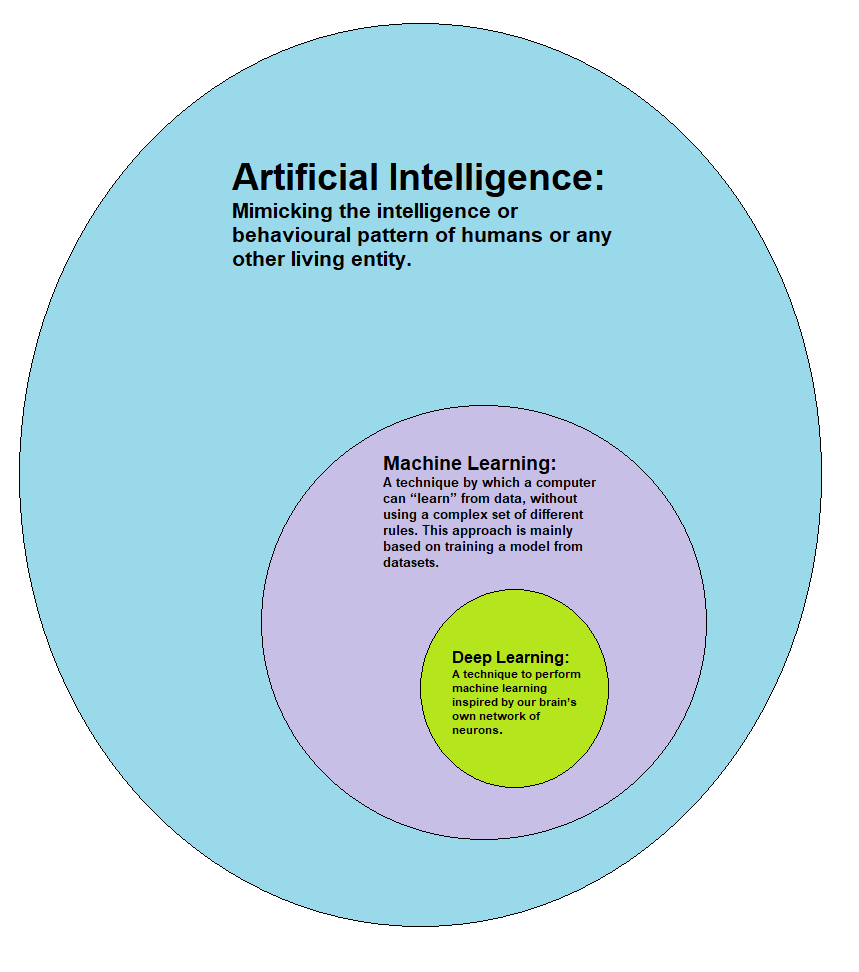
As these systems become more powerful and integrated into critical parts of our society, from healthcare to finance, ensuring they are safe and secure becomes incredibly important.
Why Security Matters for AI
When we build an AI system, we trust it to do a specific job correctly and reliably. AI security is all about protecting that trust. It involves making sure AI systems can't be tampered with, tricked, or stolen by unauthorized individuals.
Think of an AI system like a highly trained employee. You've spent time and resources training it to perform a crucial task. You wouldn't want someone to come in and give it bad instructions, steal its knowledge, or trick it into making a disastrous mistake. AI security establishes the safeguards to prevent that from happening.
The core of AI security is ensuring that systems behave as intended, remain resilient against attacks, and keep their data and decision-making processes confidential.
Without strong security, the very benefits that make AI so powerful—its autonomy, learning ability, and scale—also become its greatest vulnerabilities. Protecting these systems is fundamental to using them responsibly.
Risks of a Security Breach
The consequences of a security failure in an AI system can be severe. Because AI often deals with sensitive data and makes important decisions, a breach can have far-reaching effects.
Imagine an AI used for medical diagnoses. If an attacker could feed it misleading data—a process called data poisoning—the AI might learn to make incorrect diagnoses, putting patient lives at risk. Similarly, an AI that controls a power grid could be manipulated to cause widespread outages.
Other risks include:
- Privacy Violations: AI systems often process huge amounts of personal data. A breach could expose sensitive information.
- Model Theft: The AI models themselves are valuable assets. Stealing a company's proprietary model is a form of intellectual property theft.
- Evasion Attacks: An attacker could trick an AI into misclassifying something, like fooling a facial recognition system or hiding malware from an AI-powered antivirus program.

Ultimately, a security breach undermines our trust in the technology. If we can't be sure that AI systems are safe and reliable, we lose the confidence to deploy them where they can do the most good.
The overview discusses how AI is an increasingly powerful tool with potential for good, albeit one with a high risk of negative side-effects that go against fundamental human rights and UN values.
Before exploring how to attack or defend these systems, it's essential to grasp these foundational security concepts. Let's review what we've covered.
What is the primary goal of Artificial Intelligence (AI)?
An attacker manipulates input data to trick an AI-powered antivirus program into classifying a virus as a safe file. What type of security risk does this demonstrate?
Understanding these basics is the first step toward appreciating the complex and vital field of AI security.