Ethical AI for Defense
Introduction to AI Ethics
The Rules of the Road for AI
Artificial intelligence is becoming a bigger part of our daily lives, from recommending movies to helping doctors diagnose diseases. As these systems grow more powerful and make more important decisions, we need a clear set of guidelines to ensure they're developed and used responsibly. This is the core idea behind AI ethics: creating a framework to make sure AI benefits humanity without causing unintended harm.
AI ethics focuses on principles such as fairness, transparency, accountability, and privacy to guide responsible AI development and deployment.
Think of it like building a car. You wouldn't just build the fastest engine possible without also designing brakes, seatbelts, and airbags. AI ethics provides the essential safety features for artificial intelligence, ensuring that as the technology accelerates, it stays on a safe and beneficial course.
Transparency and Accountability
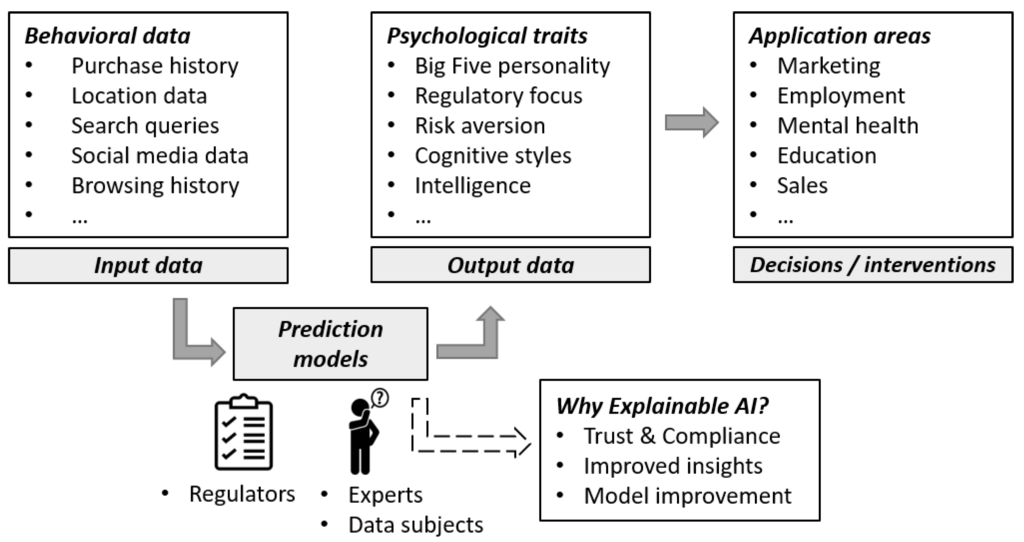
Have you ever asked a friend for advice and they just said, "Because I said so"? It's not very helpful. We want to know the reasoning behind a suggestion. The same is true for AI. For an AI's decision to be trustworthy, we need to understand how it reached its conclusion. This is the principle of transparency, or "explainability."
Many advanced AI systems can be like a "black box." Data goes in, an answer comes out, but the process in the middle is a mystery. Transparency is about opening that box. If an AI denies someone a loan application, the bank should be able to explain why. Was it based on credit history, income, or some other factor? Without transparency, we can't check for errors or biases.
This leads directly to accountability. If an autonomous vehicle causes an accident, who is responsible? The owner? The manufacturer? The software developer? Establishing clear lines of accountability is crucial. It ensures that when things go wrong, there's a system in place to address the harm and prevent it from happening again.
If you can't explain it, you can't trust it. Accountability is impossible without transparency.
Bias and Fairness
AI systems learn from data. That simple fact is the source of one of the biggest ethical challenges: bias. If the data used to train an AI reflects existing societal biases, the AI will learn and often amplify those biases.
bias
noun
A prejudice in favor of or against one thing, person, or group compared with another, usually in a way considered to be unfair. In AI, this refers to systems that produce systematically prejudiced results.
Imagine an AI designed to screen job applicants. If it's trained on a company's hiring records from the past 50 years, it might learn that most successful candidates were men. The AI could then conclude that being male is a key indicator of a good candidate, and start unfairly filtering out qualified women. The AI isn't malicious; it's simply reflecting the patterns in the data it was given.
Ensuring fairness means actively working to identify and correct for these biases. It involves carefully curating training data, testing the AI's decisions across different demographic groups, and implementing checks and balances to ensure its outcomes are equitable.
Privacy, Security, and People
Modern AI is data-hungry. To learn effectively, these systems often need to analyze vast datasets, which can include sensitive personal information. This raises critical questions about privacy. How is our data being collected, used, and stored? Are people aware of and consenting to how their information is used to train AI models?
Strong data protection is the foundation of trustworthy AI. This means using anonymized data whenever possible and implementing robust security measures to protect that data from breaches. An AI system is a piece of software, and like any software, it can be vulnerable to attack. Securing AI systems from malicious actors who might want to steal data or manipulate their decisions is a major ethical and practical concern.
Ultimately, all of these principles—transparency, fairness, privacy, and security—come together in the concept of human-centric design. The goal of AI should be to augment human capabilities and improve lives. This means designing systems with the end-user in mind, ensuring they are easy to understand, safe to use, and respectful of human dignity and rights. Technology should serve people, not the other way around.
Now, let's test your understanding of these core principles.
What is the primary goal of AI ethics?
The principle of transparency in AI is primarily concerned with addressing the 'black box' problem. This means...
These principles form the bedrock of responsible AI development. By focusing on them, we can guide innovation in a direction that is safe, fair, and beneficial for everyone.