Ethereum Virtual Machine Explained
Introduction to Ethereum
Beyond Digital Money
At its core, a blockchain is a shared, unchangeable digital ledger. Think of it like a public notebook that anyone can see but no one can erase. Once a transaction is written down and confirmed by the network, it’s there forever. This technology is famous for powering cryptocurrencies like Bitcoin, which uses its blockchain to securely track who owns what.
But what if a blockchain could do more than just record transactions? What if it could run code and build entire applications that no single person or company controls? That's the idea behind Ethereum.
Ethereum takes the core concept of blockchain and expands it from a secure ledger into a global, programmable computer.
What Is Ethereum?
Ethereum is a decentralized blockchain platform designed to be programmable. It allows developers to build and deploy applications that run exactly as programmed without any possibility of downtime, censorship, or fraud from a third party. While Bitcoin is often called digital gold, Ethereum is more like a decentralized internet, complete with its own currency, programming language, and app store.
The platform's native cryptocurrency is called Ether, or ETH. It's not just for payments. Ether is the fuel that powers the Ethereum network. Users pay small fees in ETH to process transactions and run applications. This fee, known as "gas," compensates the network participants who validate transactions and secure the system.
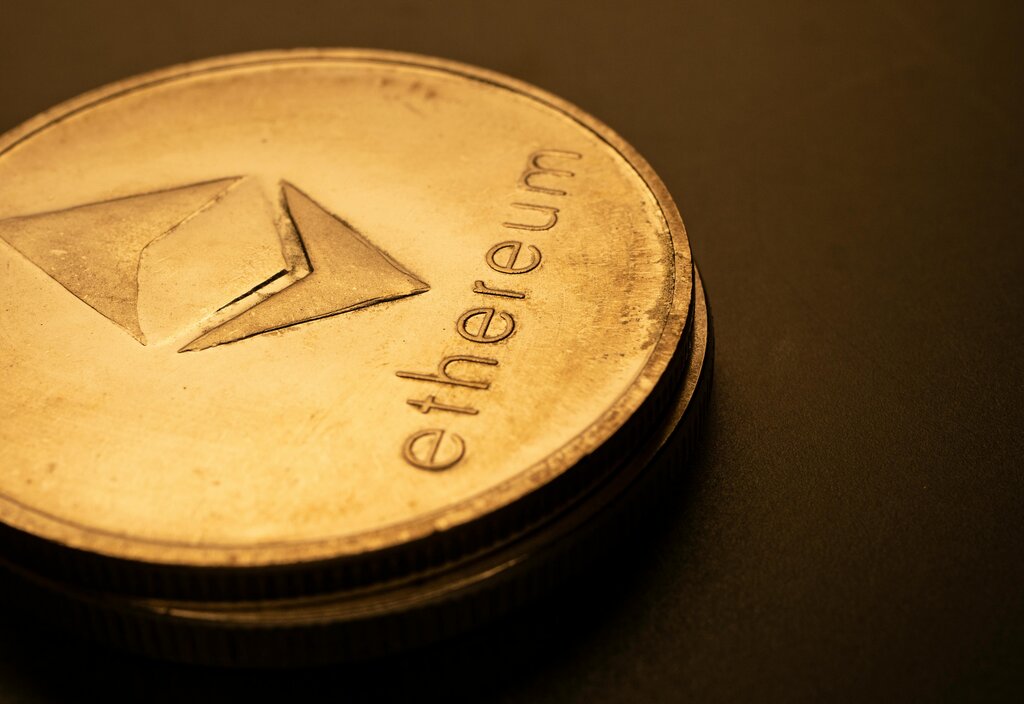
At the heart of Ethereum are things called "smart contracts." These aren't legal documents, but rather self-executing programs stored on the blockchain. They automatically carry out the terms of an agreement when specific conditions are met, removing the need for a traditional intermediary.
How Ethereum Works
Like other blockchains, Ethereum is run by a global network of computers, called nodes. Each node holds a complete copy of the transaction history, ensuring the data is distributed and secure. When someone wants to make a transaction or run a program, they broadcast it to the network. The nodes then work to validate this action and add it to the blockchain.
But how do all these separate computers agree on which transactions are valid? They use a consensus mechanism. This is a set of rules that ensures everyone is on the same page.
| Mechanism | How It Works | Energy Use |
|---|---|---|
| Proof-of-Work (PoW) | "Miners" compete to solve complex math puzzles. The first to solve it gets to add the next block to the chain and is rewarded. | Very High |
| Proof-of-Stake (PoS) | "Validators" lock up or "stake" their own ETH as collateral. They are then chosen to create new blocks. If they act dishonestly, they can lose their staked ETH. | Low |
Ethereum originally used Proof-of-Work, but in a major upgrade called "The Merge," it transitioned to Proof-of-Stake. This made the network significantly more energy-efficient and scalable.
The World of dApps
The true power of Ethereum lies in its ability to host decentralized applications, or dApps. Unlike an app on your phone, which runs on servers owned by a company like Apple or Google, a dApp runs on the Ethereum blockchain. This means it's not controlled by any single entity.
Ethereum enabled smart contracts and decentralized applications through its programmable blockchain
This programmability has unlocked a universe of new possibilities. Developers have used Ethereum to build:
- Decentralized Finance (DeFi): Financial applications for lending, borrowing, and trading that operate without traditional banks.
- Non-Fungible Tokens (NFTs): Unique digital assets representing ownership of art, collectibles, or even real-world items.
- Decentralized Autonomous Organizations (DAOs): Online communities with shared bank accounts and rules encoded on the blockchain.
- Gaming: Games where players can truly own their in-game items as NFTs and trade them freely.
By providing a neutral, open-access infrastructure, Ethereum acts as a foundation for a new, more decentralized digital world.