Ethereum Explained
Ethereum Basics
More Than Digital Money
While Bitcoin introduced the world to decentralized digital currency, Ethereum took the underlying blockchain technology a step further. Think of it this way: if Bitcoin is like a calculator, designed to do one thing very well (process transactions), Ethereum is like a smartphone. It's a flexible platform where developers can build and run all sorts of applications, from financial tools to games and social networks.
At its core, Ethereum is a decentralized, global computer. Instead of an app running on a single server owned by a company like Google or Facebook, applications on Ethereum run on a network of thousands of computers around the world. This simple difference has profound implications.
Ethereum is a decentralized, open-source blockchain platform that extends the foundational ideas of Bitcoin but pushes them far beyond just digital currency.
The Power of Decentralization
What does it mean for a platform to be decentralized? It means no single person or entity is in charge. There's no CEO to make unilateral decisions and no central server that can be shut down. The network is maintained and secured by its community of users.
In a traditional, centralized system, all data flows through a central hub. If that hub goes down, the entire system fails. A decentralized network, like Ethereum, has no single point of failure. Information and control are distributed among all the participants, making it incredibly resilient and resistant to censorship.
This structure provides a foundation for applications that can't be turned off or controlled by any single party. It opens up possibilities for more transparent, fair, and open digital services.
Ether (ETH), The Network's Fuel
Every blockchain needs a native currency to operate, and for Ethereum, that currency is called Ether, or ETH. While ETH can be traded and used as a store of value like Bitcoin, its primary purpose is to act as the fuel for the Ethereum network.
Ether
noun
The native cryptocurrency of the Ethereum platform. It is used to pay for transaction fees and computational services on the network.
Think of the Ethereum network as a giant, shared computer. To run a program or perform an action on this computer, you need to pay for the computational resources you use. These payments, known as "gas fees," are made in ETH. This mechanism prevents spam on the network and allocates resources to those who value them most. It incentivizes people to contribute their computing power to keep the network running securely.
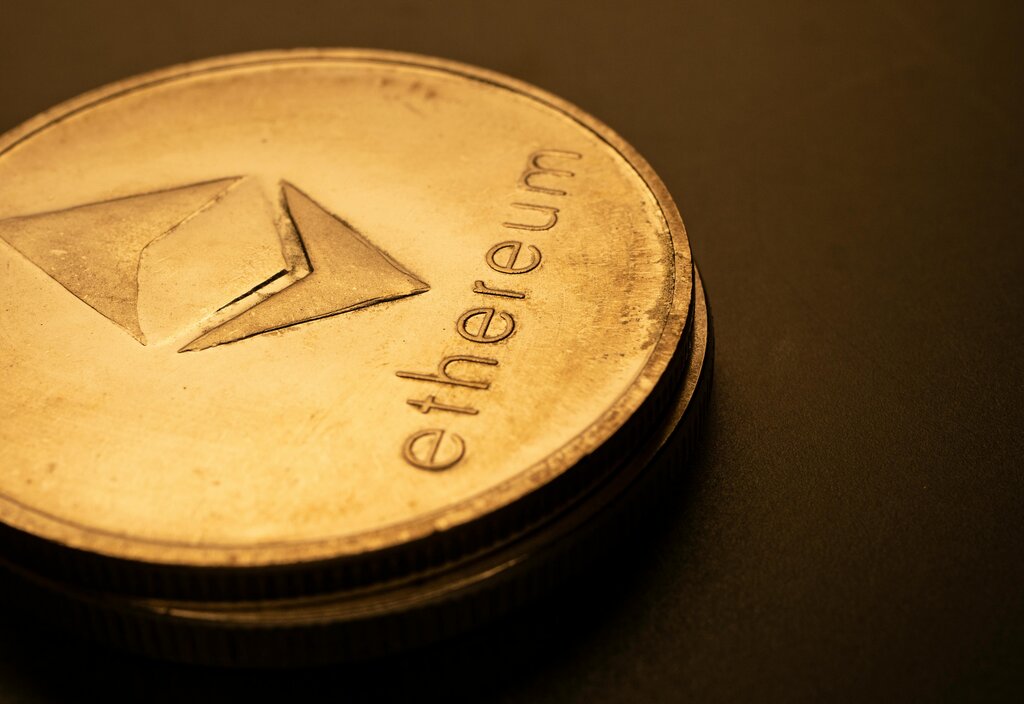
So, Ethereum is the platform, and Ether is the currency that powers it. This distinction is key. By creating a decentralized platform with its own internal economy, Ethereum set the stage for a new wave of innovation on the blockchain.