Ethereum Blockchain Fundamentals
Ethereum Overview
More Than Digital Money
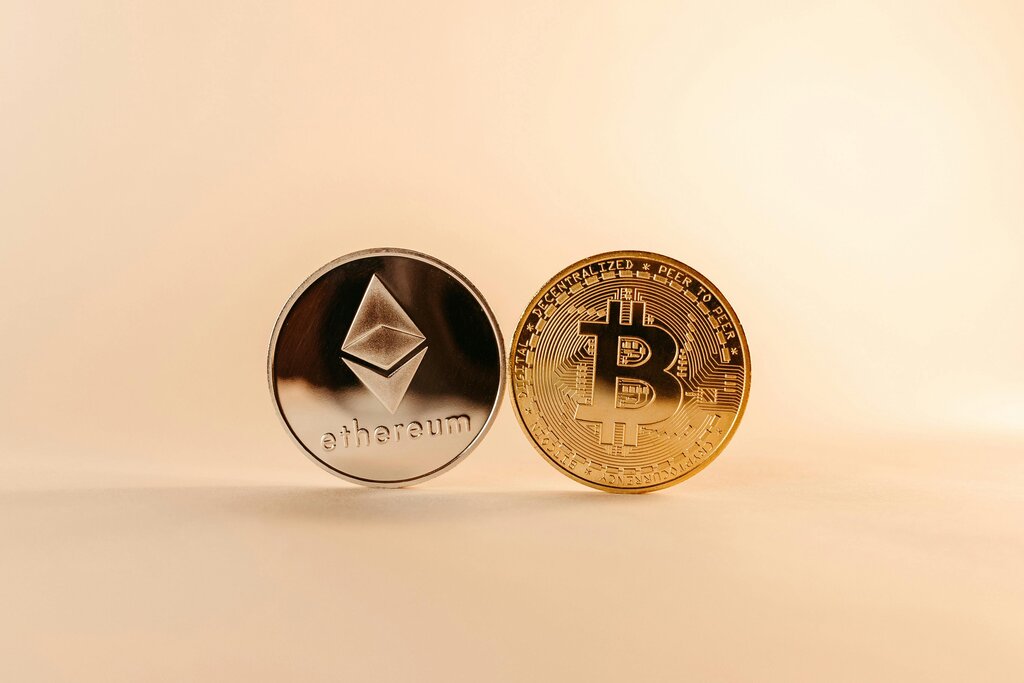
Bitcoin introduced the world to a secure, decentralized way to store and transfer value, much like digital gold. Ethereum takes that core idea and expands on it. If Bitcoin is like a simple calculator that does one thing very well, Ethereum is like a smartphone. It’s a platform where developers can build and run all sorts of applications.
At its heart, Ethereum is a global, decentralized computer. Instead of a single company like Google or Amazon running the servers, the network is run by thousands of computers worldwide. This means applications built on Ethereum are open, censorship-resistant, and not controlled by any single entity.
Ethereum is a decentralized, open-source blockchain platform that extends the foundational ideas of Bitcoin but pushes them far beyond just digital currency.
The key innovation that makes this possible is the smart contract. A smart contract is just a program stored on the blockchain that runs when predetermined conditions are met. Think of it as a digital vending machine. You put in a coin (cryptocurrency), select an item, and the machine automatically dispenses your snack and change. There's no cashier needed; the rules are baked into the machine itself. Smart contracts do the same for digital agreements, automatically enforcing the terms without needing a lawyer, bank, or other intermediary.
The World Computer
How does this global computer actually run all these smart contracts? The answer is the Ethereum Virtual Machine, or EVM. The EVM is the environment where all smart contracts and Ethereum applications live and execute. It’s the engine of the Ethereum network.
Every computer (or node) participating in the Ethereum network runs a copy of the EVM. This is what keeps the system decentralized. When someone interacts with a smart contract, every node on the network processes that transaction through its EVM. This collective computation ensures that everyone agrees on the outcome, making the system transparent and secure.
Paying for Gas
Running computations across thousands of computers isn't free. To prevent spam and to compensate the people running the network, Ethereum uses a concept called gas.
Gas is the fee required to conduct a transaction or execute a contract on the Ethereum blockchain. It's the fuel for the EVM. Every operation a smart contract performs, from simple addition to storing data, has a specific gas cost.
Think of it like paying for gasoline for a road trip. A short trip to the store requires a little bit of gas. A cross-country journey requires a lot more. Similarly, a simple transaction on Ethereum costs a small amount of gas, while a complex smart contract interaction costs much more.
These fees are paid in Ethereum's native cryptocurrency, Ether (ETH). When you send a transaction, you set a gas limit and a gas price. The gas price is how much you're willing to pay per unit of gas. The people running the network (validators) prioritize transactions with higher gas prices, especially when the network is busy. This system ensures that the network's computational resources are used efficiently.
Let's test your understanding of these core concepts.
The provided text uses an analogy to compare Bitcoin and Ethereum. If Bitcoin is like a simple calculator, what is Ethereum compared to?
What is the key innovation described as the digital equivalent of a vending machine, automatically enforcing agreements without an intermediary?