ETC Systems Unveiled
ETC System Architecture
The Anatomy of a Toll System
Electronic Toll Collection (ETC) systems feel seamless. You drive under a gantry, and a toll is paid without you lifting a finger. This smooth experience is made possible by a trio of interconnected components working in perfect sync: the equipment on the road, the device in your car, and a powerful central system that ties it all together.
Think of it as a three-act play. The first act happens on the highway, the second inside your vehicle, and the third in a data centre miles away. Let's break down each part.
The Roadside Setup
The most visible part of an ETC system is the roadside equipment (RSE). This is the hardware mounted on gantries or poles over the highway. Its primary job is to perform Automatic Vehicle Identification (AVI), which means accurately identifying your vehicle as it passes through the toll point at speed.
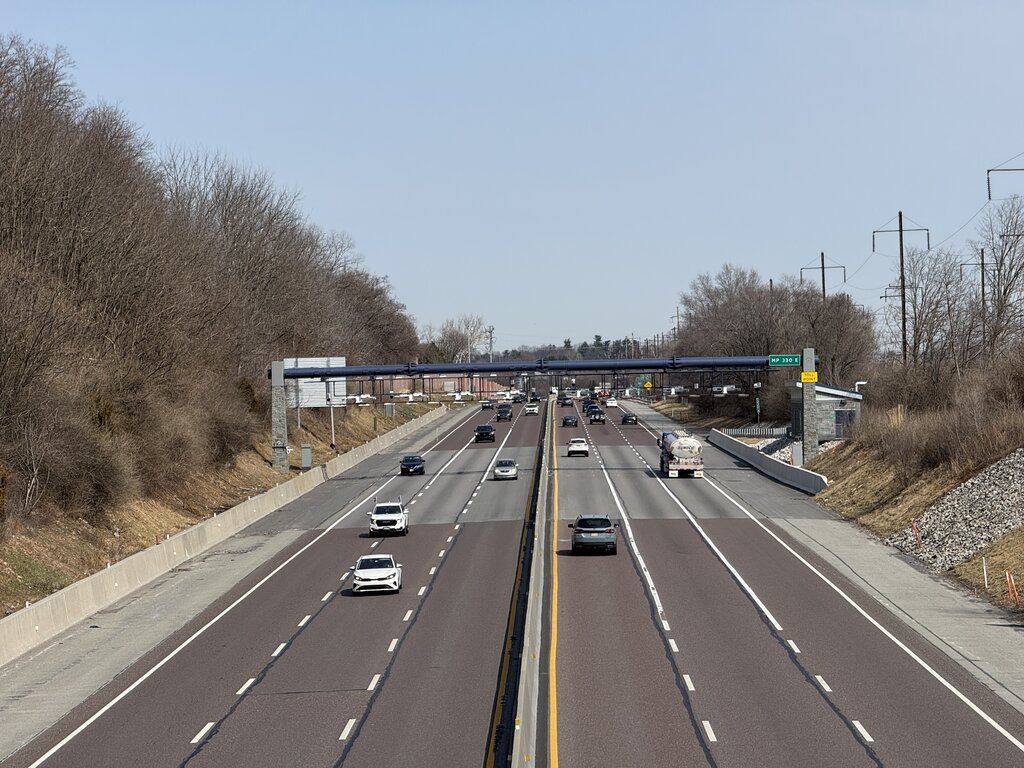
The RSE consists of a few key devices:
- Antennas: These send out radio-frequency signals to communicate with the device in your car. When a vehicle enters the toll zone, the antenna wakes up the on-board unit and initiates a data exchange.
- Sensors: Infrared or laser scanners can be used to detect the presence of a vehicle and classify it by size, like a car, bus, or truck. This helps ensure the correct toll is charged.
- Cameras: High-resolution cameras capture images of licence plates. This is crucial for video tolling (billing users without a transponder) and for enforcement in a Violation Processing Centre (VPC).
The In-Vehicle Device
Inside your car, you have an On-Board Unit (OBU), commonly known as a transponder or tag. This small electronic device is usually mounted on the windscreen or dashboard. It contains a unique identification number linked to your prepaid account.
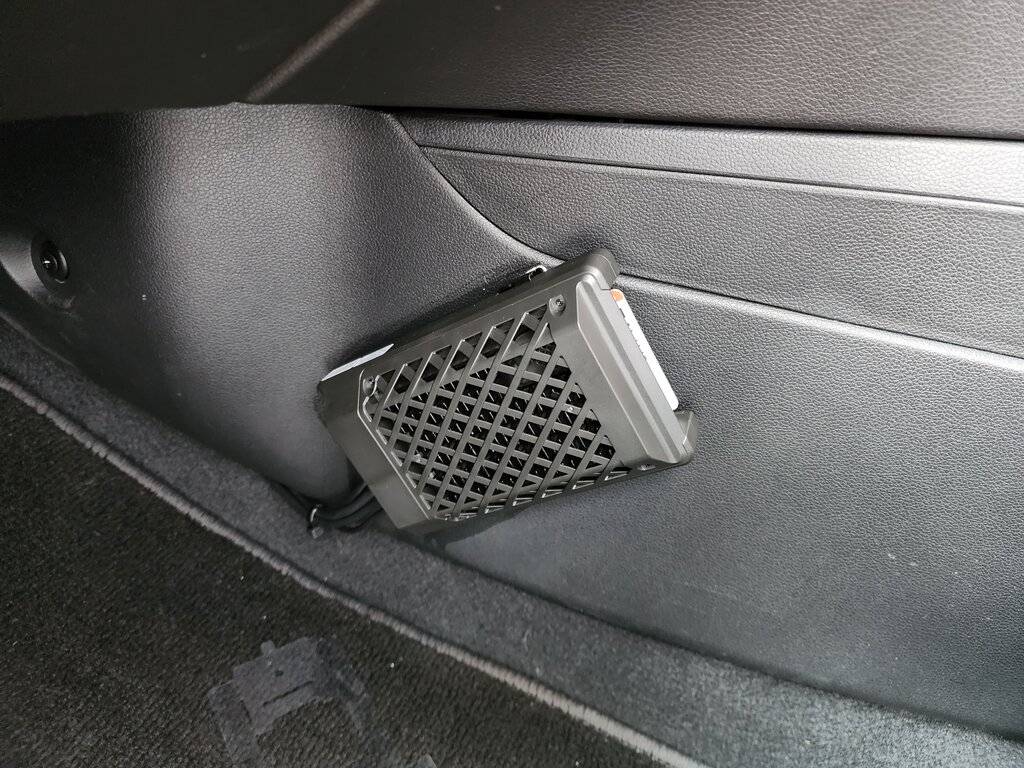
When your vehicle passes under a gantry, the RSE's antenna sends a signal that powers up the OBU. The OBU then transmits its unique ID back to the RSE. The whole exchange happens in milliseconds.
OBUs can be passive or active. Passive tags have no internal battery; they are powered entirely by the RSE's signal. Active tags have their own power source, allowing for a longer read range and more complex data transmission, though they are less common in modern passenger vehicle tolling.
The Central Hub
The final piece of the puzzle is the back-office system. This is the centralised data processing hub where all the magic happens. It's a complex network of servers and software that manages every aspect of the tolling operation. The RSE forwards all the data it collects—the transponder ID, vehicle classification, licence plate image, and timestamp—to this central system for processing.
Key responsibilities of the back-office include:
- Transaction Processing: Matching the transponder ID to a customer account, calculating the correct toll based on vehicle type and gantry location, and deducting the amount from the account balance.
- Account Management: Handling customer registrations, payments, and account top-ups. This is also where you'd log in to view your travel history or update your vehicle information.
- Customer Service: Providing support for billing inquiries, disputes, and account issues.
- : For vehicles without a valid transponder or sufficient funds, the system uses the licence plate image to identify the owner and issue a bill or a fine. This process is often called video tolling.
The data journey is simple: The OBU talks to the RSE, and the RSE reports to the back-office. The back-office then settles the transaction with the user's account.
This coordinated dance between hardware and software allows millions of transactions to be processed daily with remarkable accuracy and speed, forming the backbone of modern mobility.
What are the three core components of an Electronic Toll Collection (ETC) system?
What is the primary function of the Roadside Equipment (RSE) in a tolling system?