Estate Planning Essentials
Estate Planning Basics
What Is Estate Planning?
Simply put, estate planning is deciding how your assets will be managed and distributed during your life and after you die. It’s not just for the wealthy. Anyone who owns anything of value, like a car, a home, or a savings account, has an estate. The goal is to make sure your wishes are carried out, your loved ones are cared for, and the process is as smooth and inexpensive as possible.
An estate plan consists of several legal documents that lay out what happens to your assets and liabilities when you die or become incapacitated.
A good plan does more than just divide up your property. It can also name a guardian for your minor children, specify your healthcare wishes if you can't speak for yourself, and minimize potential taxes and legal fees. It’s about taking control of your affairs to protect yourself and your family.
The Core Components
An estate plan is built from a few key legal documents. While everyone's situation is unique, most plans include a will, trusts, and powers of attorney.
Will
noun
A legal document that directs how your property should be distributed after your death. It also allows you to name an executor to carry out your wishes and a guardian for any minor children.
A will is the foundation of many estate plans. Without one, the state's laws will determine who gets your property, a process known as intestate succession. This might not align with your wishes and can create conflict among family members. The will is also the only place you can officially name a guardian for your children.

Another crucial tool is a trust. Unlike a will, which only takes effect after you die, a trust can be active during your lifetime.
Trust
noun
A legal arrangement where a person (the trustee) holds and manages assets for the benefit of another (the beneficiary). A trust can help manage assets and may allow an estate to avoid the court process of probate.
There are many types of trusts, but they all involve three parties: the person who creates the trust (the settlor), the person or institution that manages the assets (the trustee), and the person who benefits from the assets (the beneficiary). Trusts can provide more control over how and when your assets are distributed and can be a private alternative to the public process of a will.
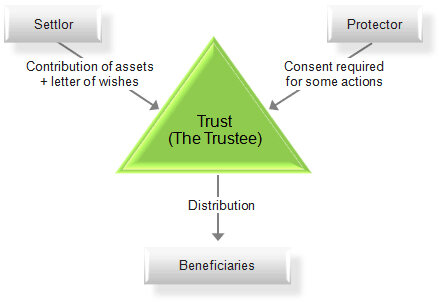
Finally, an estate plan should prepare for the possibility of incapacitation, not just death. This is where powers of attorney come in.
A power of attorney is a document that gives someone you trust the legal authority to make decisions on your behalf if you are unable to do so yourself.
There are two main types:
- Durable Power of Attorney for Finances: This lets you name someone to manage your financial affairs, such as paying bills and managing investments.
- Power of Attorney for Healthcare: Often called a healthcare proxy or advance directive, this lets you appoint someone to make medical decisions for you when you can't.
Legal and Tax Considerations
Navigating estate planning involves complex legal and financial rules. Working with qualified professionals, like an estate planning attorney and a financial advisor, is essential to create a plan that is legally sound and effective.

One key reason to plan is to simplify or avoid probate, which is the court-supervised process of validating a will and distributing assets. Probate can be time-consuming and expensive, and it's a public process. Proper planning, often using trusts, can help your heirs bypass it.
Tax implications are another major factor. Depending on the size of your estate and where you live, there could be federal or state estate taxes. A well-structured plan can help minimize these taxes, preserving more of your assets for your beneficiaries. While the specific strategies can be complex, the first step is understanding that these taxes exist and that planning can make a significant difference.
Let's review the key terms we've covered.
Now, check your understanding of these core concepts.
What is the primary purpose of estate planning?
If a person dies without a will, how are their assets distributed?
Creating an estate plan is a proactive step to protect your assets and provide for your loved ones. It gives you control over your legacy and provides peace of mind.