Estate Planning and Trusts Explained
Estate Planning Basics
What Is Estate Planning?
Estate planning is the process of deciding how your assets will be managed and distributed during your life and after you die. It’s a common misconception that this is only for the wealthy. In reality, anyone who owns property, has a family, or simply wants to make their own choices about their future can benefit from an estate plan.
Estate planning is the process of developing a strategy for the care and management of your estate if you become incapacitated or upon your death.
A good plan does more than just outline who gets your possessions. It also prepares for the unexpected. What if you become unable to make financial or medical decisions for yourself? An estate plan puts legal documents in place to ensure your wishes are followed, taking the burden off your loved ones during a difficult time.
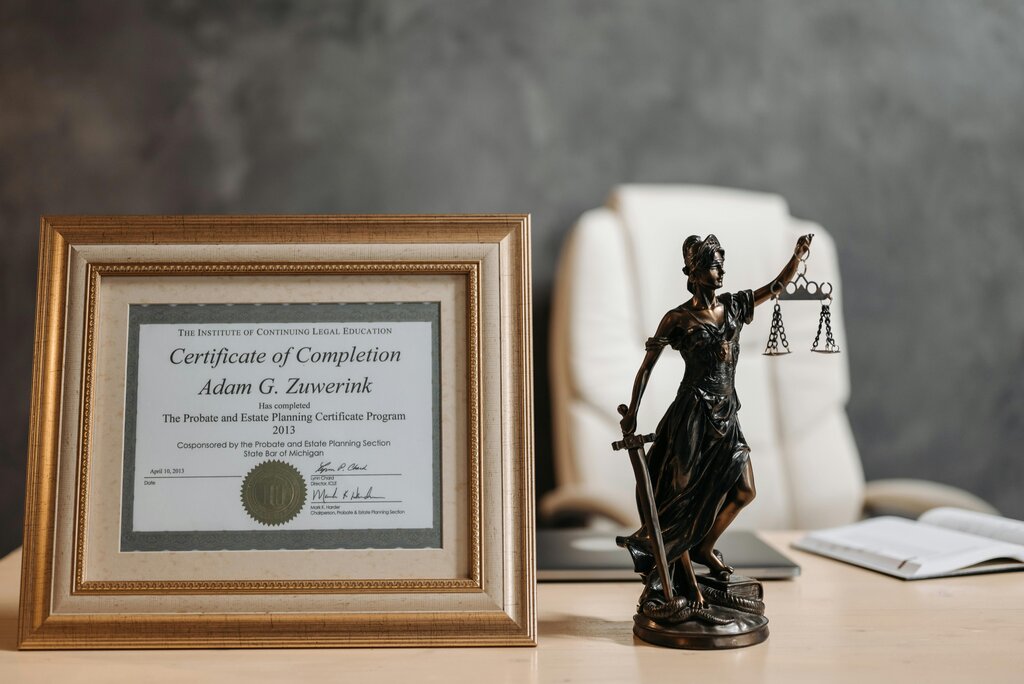
The Core Components
A complete estate plan is made up of several key documents. Each serves a distinct purpose, and together they create a comprehensive strategy for your assets and well-being.
Will
noun
A legal document that states your final wishes for distributing your assets and names guardians for minor children.
A last will and testament is often the first thing people think of for estate planning. It's the primary tool for directing where your property goes after your death. In your will, you also name an executor, the person or institution responsible for carrying out your instructions, paying any debts, and distributing your assets to the people you've chosen, known as beneficiaries.
For parents of young children, a will is critically important because it’s where you nominate a guardian to care for them if you’re no longer able.
Another key component is a trust. Trusts can work alongside a will or sometimes even replace one as the main vehicle for your estate plan.
Trust
noun
A legal arrangement where a third party (a trustee) holds and manages assets on behalf of a beneficiary or beneficiaries.
When you create a trust, you transfer your assets into it, and a trustee you appoint manages them for your beneficiaries. A major advantage of a trust is that assets held within it typically avoid probate, a court process that can be lengthy and expensive. This allows for a more private and often faster transfer of assets.
Estate planning also covers situations where you are still alive but unable to make decisions for yourself. This is where powers of attorney and healthcare directives come in.
A Power of Attorney lets you appoint someone to manage your financial and legal affairs if you become incapacitated. A Healthcare Directive, or living will, outlines your wishes for medical treatment and names someone to make health decisions for you.
These documents are crucial for ensuring your financial life continues to run smoothly and your medical wishes are respected, preventing your family from having to make difficult guesses about what you would have wanted.
Key Benefits and Decisions
Putting together an estate plan offers significant peace of mind. One of the primary benefits is ensuring your assets are distributed exactly as you wish. Without a plan, state law decides who gets your property, which may not align with your intentions.
A solid estate plan ensures none of that disappears in probate fees, long-term-care costs or excessive taxes.
A well-structured plan can also minimize potential estate taxes, preserving more of your wealth for your heirs. As mentioned, using tools like trusts can help your estate avoid the public and often costly probate process.
When creating your plan, you'll face a few important decisions. You'll need to choose your beneficiaries and decide what each will receive. You also need to select trustworthy people for key roles:
- Executor: To manage and settle your estate according to your will.
- Trustee: To manage the assets in your trust.
- Agent (Power of Attorney): To handle your finances if you cannot.
- Healthcare Proxy: To make medical decisions on your behalf.
Choosing these individuals carefully is one of the most important steps in the entire process. They should be responsible, organized, and willing to take on the role.
What is the primary purpose of a last will and testament?
Estate planning is only necessary for very wealthy individuals.
Estate planning is a foundational part of managing your personal affairs. By putting a plan in place, you create a clear roadmap for your assets and your care, protecting both yourself and your loved ones.