Essentials of BEROL Surfactants
Surfactant Basics
The Bridge Between Oil and Water
You’ve probably noticed that oil and water don't mix. Try shaking them together in a jar, and they'll separate as soon as you stop. This is a basic rule of chemistry. But we break this rule every day when we wash our hands, do laundry, or even make mayonnaise. The secret ingredient that makes this possible is a surfactant.
A surfactant, short for "surface-active agent," is a special type of chemical that acts like a bridge. It allows substances that normally repel each other, like oil and water, to mix. Without surfactants, soap wouldn't be able to lift grease from a dirty pan, and your shampoo couldn't wash away oils from your hair.
A Two-Faced Molecule
The magic of a surfactant comes from its unique structure. Imagine a tiny tadpole. It has a distinct head and a long tail. A surfactant molecule is similar. It's an molecule, meaning it has two different ends with opposite personalities.
One end is the hydrophilic head, which means "water-loving." This part is attracted to water molecules.
The other end is the hydrophobic tail, which means "water-fearing." This part is repelled by water but is very attracted to oil, grease, and other non-watery substances.
Breaking the Water's Skin
To understand how surfactants work, we first need to look at water itself. Water molecules love to stick together. This creates a strong cohesive force, especially at the surface, forming an invisible 'skin' known as s. It's why water beads up into droplets on a leaf and why some insects can walk on water.
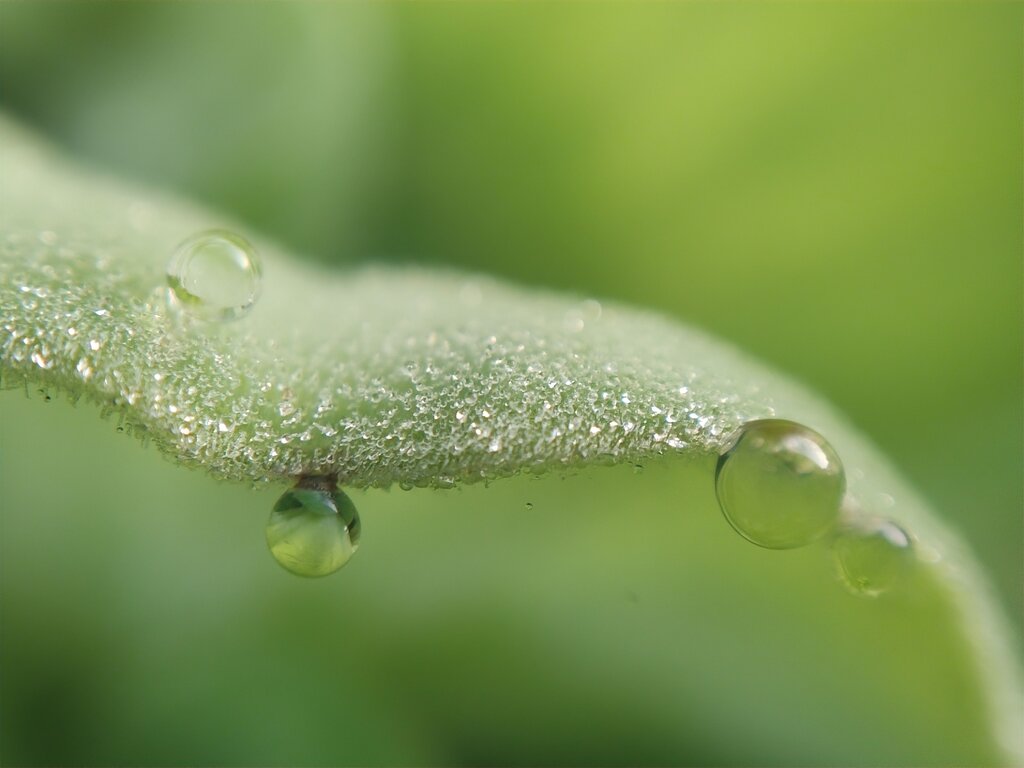
This strong surface tension is what keeps water from easily mixing with oil. The water molecules would rather stick to each other than make room for oil molecules. Surfactants break this barrier. When you add a surfactant like soap to water, the hydrophobic tails want to get away from the water. They rush to the surface, pushing the water molecules apart and weakening the tension.
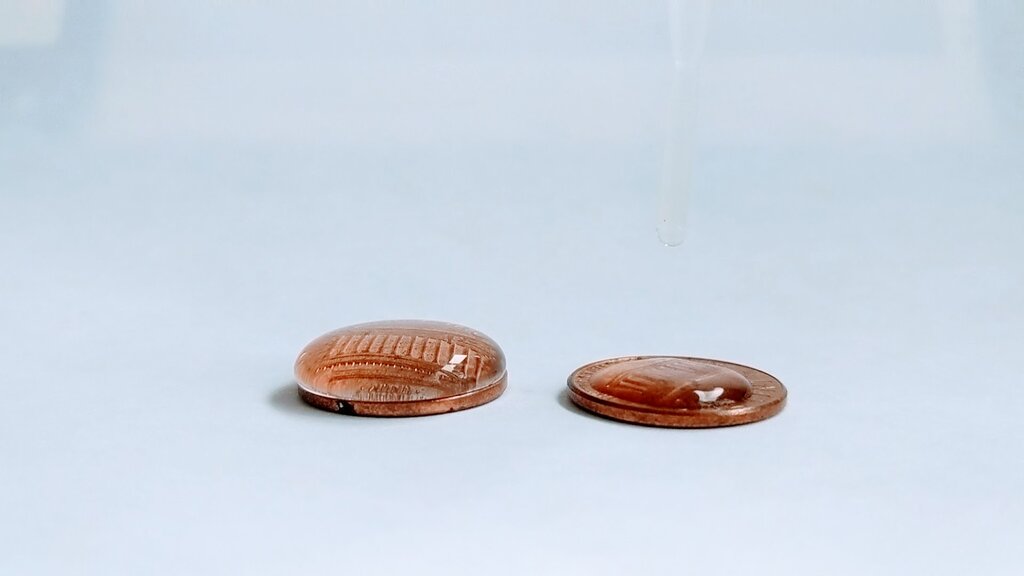
Adding a surfactant weakens the bonds between water molecules on the surface, dramatically decreasing the water's surface tension.
How Soap Cleans
Let's put it all together in a real-world scenario: washing greasy hands. Water alone won't work because its high surface tension prevents it from getting under the grease. The water just rolls right off.
When you add soap (a surfactant), things change. The 'oil-loving' hydrophobic tails burrow into the grease, grabbing onto it. Meanwhile, the 'water-loving' hydrophilic heads stick out into the surrounding water.
The surfactant molecules effectively surround the grease, forming a tiny package with the oil trapped inside and a water-loving shell on the outside. Now, when you rinse your hands, the flowing water grabs onto the hydrophilic heads and pulls the entire package—grease and all—right off your skin and down the drain. This is why surfactants are the foundation of almost every cleaning product.
Now that we've covered the basics, let's review the key terms.
Time to check your understanding.
What is the primary function of a surfactant?
The term for a molecule that has both a water-loving (hydrophilic) and a water-fearing (hydrophobic) part is:
You now know the fundamentals of what surfactants are and how they perform the essential task of mixing oil and water. Next, we'll explore the different types of surfactants and their specific uses.