Essential Supplement Guide
Introduction to Vitamins and Minerals
The Building Blocks of Health
Vitamins and minerals are micronutrients, meaning your body needs them in small amounts to function properly. Think of them like the spark plugs in a car's engine. The engine is made of bigger parts like protein, fats, and carbohydrates, but without the tiny spark from the plugs, nothing runs. These nutrients are essential for everything from fighting infections and healing wounds to converting food into energy and keeping your brain sharp.
Essentially, vitamins and minerals are the support crew that enables all the major processes in your body to happen smoothly.
Two Types of Vitamins
Vitamins fall into two main camps based on how they're absorbed and stored in your body: water-soluble and fat-soluble.
Water-soluble vitamins, like Vitamin C and the B-vitamins, dissolve in water. Because your body is mostly water, these vitamins travel easily through your system. However, your body doesn't store them for long. Whatever isn't used is flushed out through urine. This means you need to replenish them regularly through your diet.
Fat-soluble vitamins, which include vitamins A, D, E, and K, need fat to be absorbed. Once they enter your body, they can be stored in your fatty tissues and liver for later use. This is helpful, as you don't need to consume them every single day, but it also means they can build up to potentially toxic levels if taken in very large doses.
| Feature | Water-Soluble Vitamins | Fat-Soluble Vitamins |
|---|---|---|
| Absorption | Dissolve in water | Dissolve in fat |
| Storage | Not stored in the body | Stored in liver and fatty tissues |
| Frequency | Need to be consumed regularly | Needed in regular intervals, not daily |
| Examples | Vitamin C, B-Vitamins | Vitamins A, D, E, K |
The Role of Minerals
Unlike vitamins, which are organic substances made by plants or animals, minerals are inorganic elements that come from the soil and water. They're absorbed by plants or eaten by animals, which is how they make their way into our food.
Your body uses minerals for a huge range of jobs. Some, like calcium, are needed to build strong bones and teeth. Others, like iron, are crucial for making red blood cells that carry oxygen throughout your body. Minerals also help maintain a proper fluid balance, transmit nerve signals, and keep your heart beating steadily.
Food First, Supplements Second
The best way to get the vitamins and minerals you need is through a varied and balanced diet full of fruits, vegetables, whole grains, and lean proteins. Foods provide these nutrients in complex packages that often work together, which is something a pill can't always replicate.
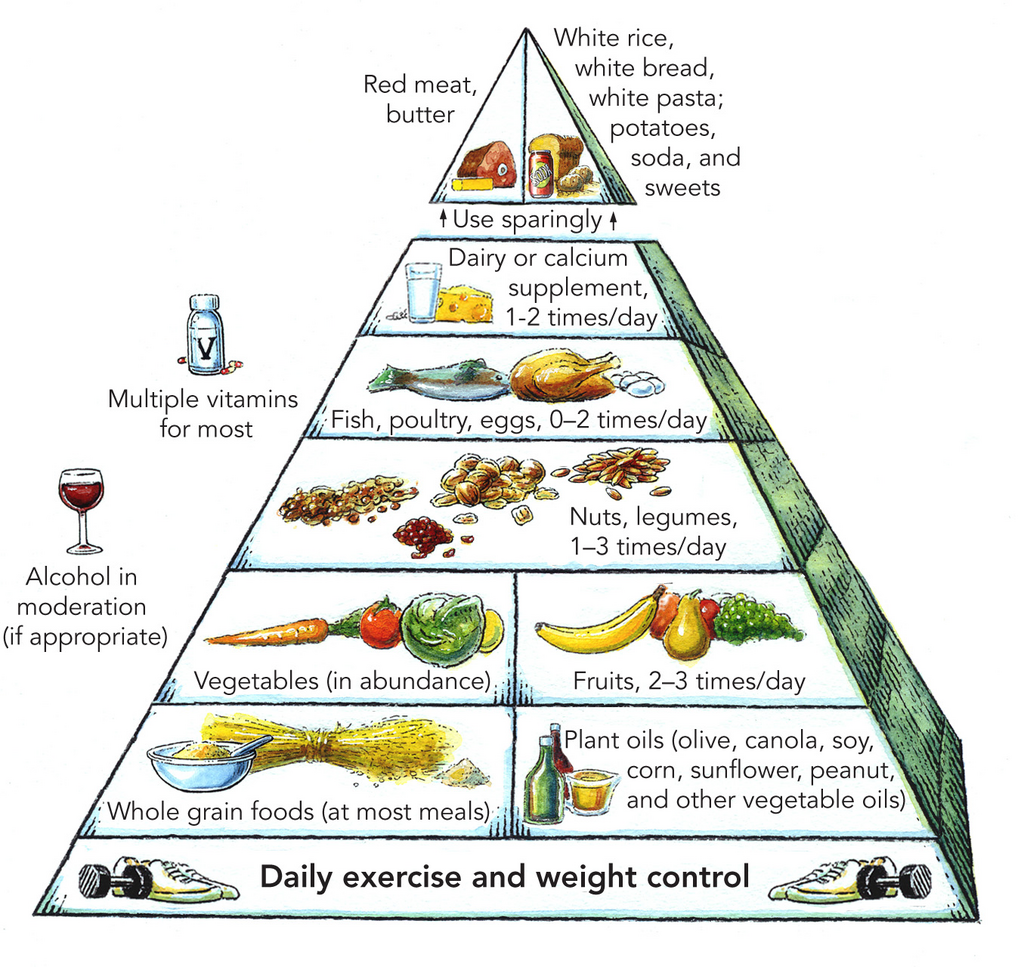
So, when are supplements necessary? They can be helpful for filling specific nutritional gaps. This might be the case for people with dietary restrictions (like vegans), pregnant women who need extra nutrients, or individuals with certain medical conditions that affect nutrient absorption. In these situations, supplements can provide a targeted boost to ensure the body has everything it needs.
Supplements, as their name suggests, should complement rather than replace a balanced diet rich in protein, complex carbohydrates, healthy fats, and micronutrients.
Now let's check your understanding of these core concepts.
Which of the following is a key characteristic of fat-soluble vitamins?
Based on the text, in which scenario would taking a vitamin supplement be most justified?
Understanding these fundamentals helps you make informed choices about your diet and health.