Essential Software Architecture Knowledge
Introduction to Software Architecture
What Is Software Architecture?
Think about building a house. Before anyone lays a single brick, an architect creates a blueprint. This plan shows the foundation, the layout of the rooms, where the plumbing and electrical systems will go, and how everything connects. Without this blueprint, you'd end up with a chaotic, unstable structure.
Software architecture is the blueprint for a software system. It defines the high-level components of the system and how they fit together. It's the set of fundamental decisions made early in a project that are the hardest to change later.
Architecture is about the important stuff. Whatever that is.
This
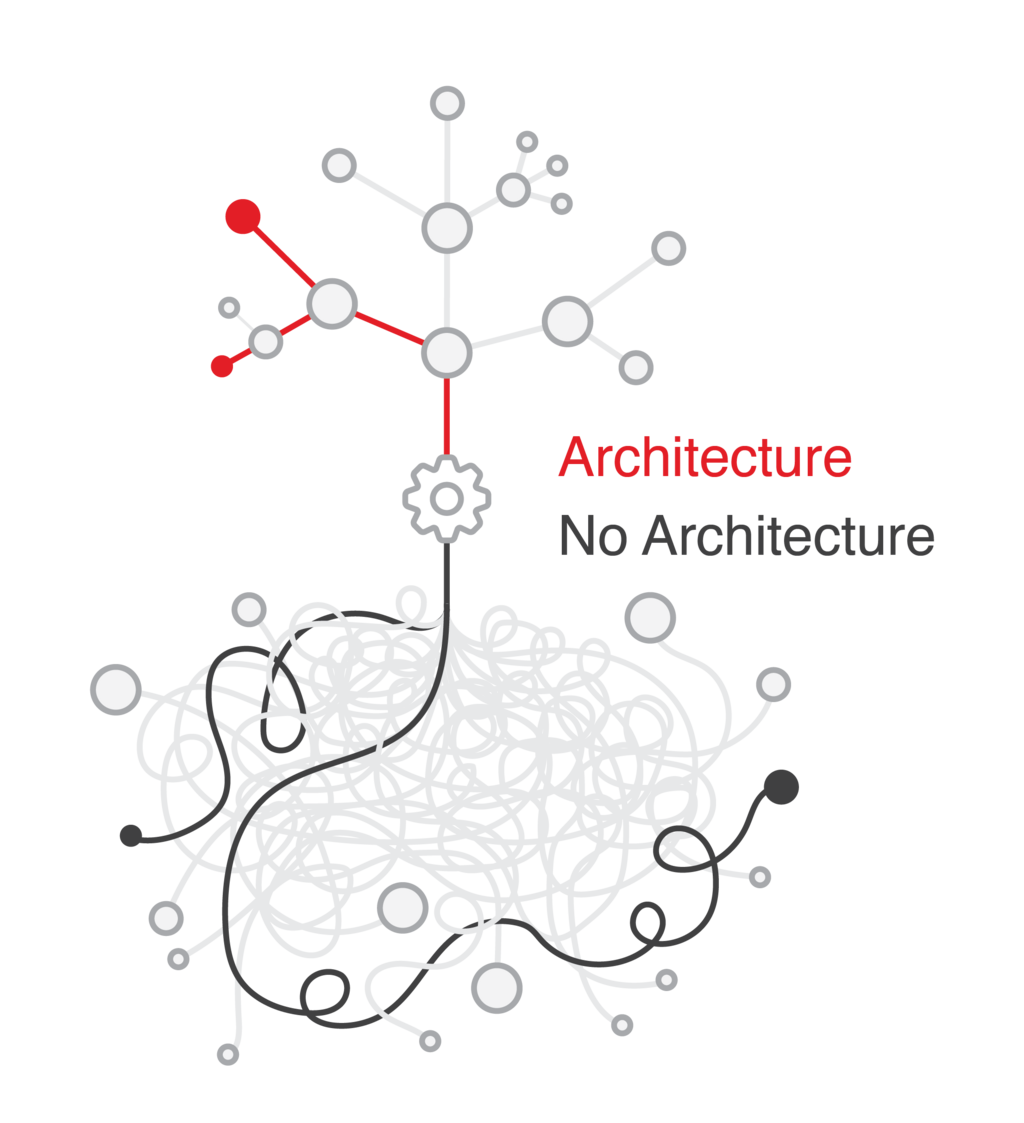
Good architecture is crucial because it manages complexity. Modern software can be incredibly complicated, with millions of lines of code and numerous interacting parts. Architecture breaks this complexity down into understandable, manageable pieces. It creates a roadmap that development teams can follow, ensuring everyone is building toward the same vision.
It also sets the foundation for the system's quality. Just like a building's blueprint determines its sturdiness and utility, a software's architecture determines how well it will perform and how easy it will be to maintain and grow over time.
The Software Architect's Role
The person responsible for creating this blueprint is the software architect. Their role goes far beyond just writing code; they operate at a higher level of abstraction, making strategic decisions that shape the entire project.
A software architect is responsible for designing and overseeing the technical aspects of a software system.
An architect's primary responsibilities include:
- Defining the structure: They decide on the main components of the system and how they will interact.
- Choosing technology: They select the appropriate programming languages, frameworks, and databases to meet the project's goals.
- Setting standards: They establish coding standards and best practices to ensure consistency and quality across the team.
- Communicating the vision: They must clearly explain the architecture to developers, project managers, and business stakeholders, ensuring everyone is aligned.
This job requires a unique mix of deep technical knowledge, strong communication skills, and the ability to see the big picture. They must balance business requirements with technical constraints to design a system that works not just today, but also in the future.
Why Decisions Matter
Every choice an architect makes has long-term consequences for the software. These decisions directly impact key system attributes, often called
non-functional requirements
noun
Criteria that describe how a system performs, rather than what it does. Also known as system qualities or '-ilities'.
These are qualities that users feel and experience, even if they can't point to a specific feature.
Three of the most critical attributes influenced by architecture are:
-
Performance: How fast is the system? An architect’s choice of database, caching strategy, and communication protocols can be the difference between a system that responds instantly and one that lags under pressure.
-
Maintainability: How easy is it to fix bugs or make changes? A well-structured, modular architecture allows developers to update one part of the system without breaking everything else. A poorly designed one creates a tangled mess where every small change is risky and time-consuming.
-
Scalability: Can the system handle growth? Scalability is the ability to support more users, data, or transactions without a drop in performance. Architectural decisions, like choosing a microservices approach over a monolithic one, are fundamental to building a system that can grow with its user base.
A well-designed architecture is the foundation for a successful software project. It makes the system easier to understand, build, and evolve.
Now, let's test your understanding of these fundamental concepts.
What is the primary purpose of software architecture, using the analogy of a house's blueprint?
Which of the following is NOT a primary responsibility of a software architect?
Getting these architectural foundations right is the first step toward building software that is robust, resilient, and ready for the future.