Essential First Aid Skills for Emergencies
Introduction to First Aid
What Is First Aid?
First aid is the immediate help given to someone who is ill or injured until professional medical care can be provided. It's not about being a doctor; it's about taking simple, effective steps to keep a situation from getting worse. Think of it as a bridge between an accident and the arrival of an ambulance.
The main goals are simple: preserve life, prevent the condition from worsening, and promote recovery.
First, you act to save the person's life. This could mean stopping severe bleeding or performing CPR. Next, you focus on preventing further harm. This might involve moving someone away from a fire or splinting a broken bone to prevent it from moving. Finally, you take steps to help them recover, like cleaning a small wound and applying a bandage to prevent infection.
Your Safety Comes First
Before you can help anyone, you must ensure your own safety. A scene that's unsafe for the victim is also unsafe for you. Check for dangers like traffic, fire, or unstable structures. If you get hurt, you can't help anyone else.
Next, protect yourself from illness. Always assume that any blood or bodily fluid is potentially infectious. This principle is known as universal precautions. At a minimum, wear disposable gloves before touching someone. If you don't have gloves, you can improvise with plastic bags over your hands. After providing care, always wash your hands thoroughly with soap and water.
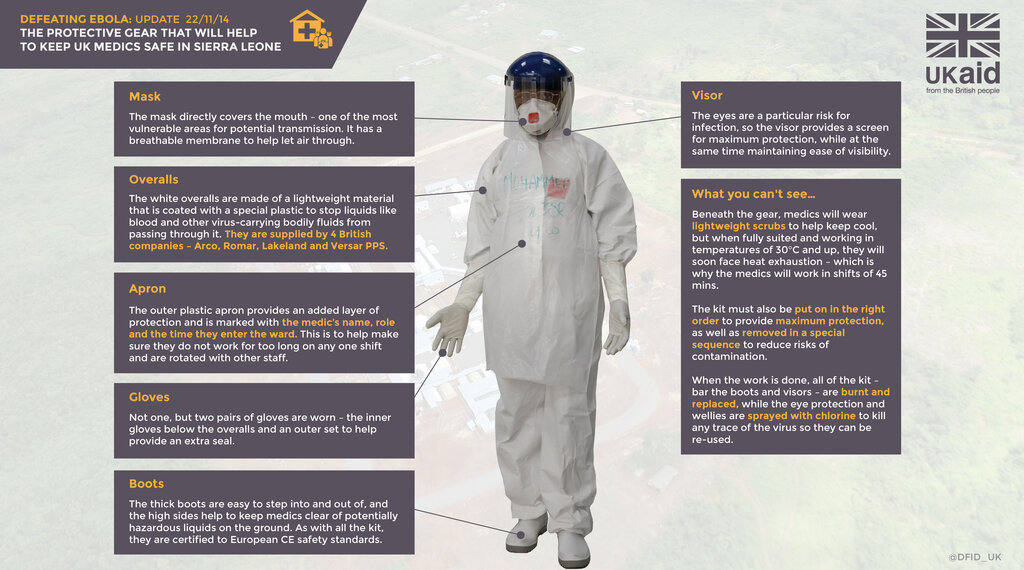
You also need to think about legal and ethical issues. Most places have "Good Samaritan" laws. These laws protect you from liability as long as you act reasonably and in good faith, without expecting payment. They're designed to encourage people to help in an emergency.
It's also crucial to get consent. If the person is conscious and alert, introduce yourself and ask, "Can I help you?" They have the right to refuse. If they are unconscious, confused, or a child without a guardian present, consent is generally implied, and you can provide care.
Your Toolkit
A well-stocked first aid kit is essential. You can buy pre-made kits or build your own. Keep one in your home and one in your car. A good kit doesn't need to be complicated, but it should contain the basics to handle common injuries.
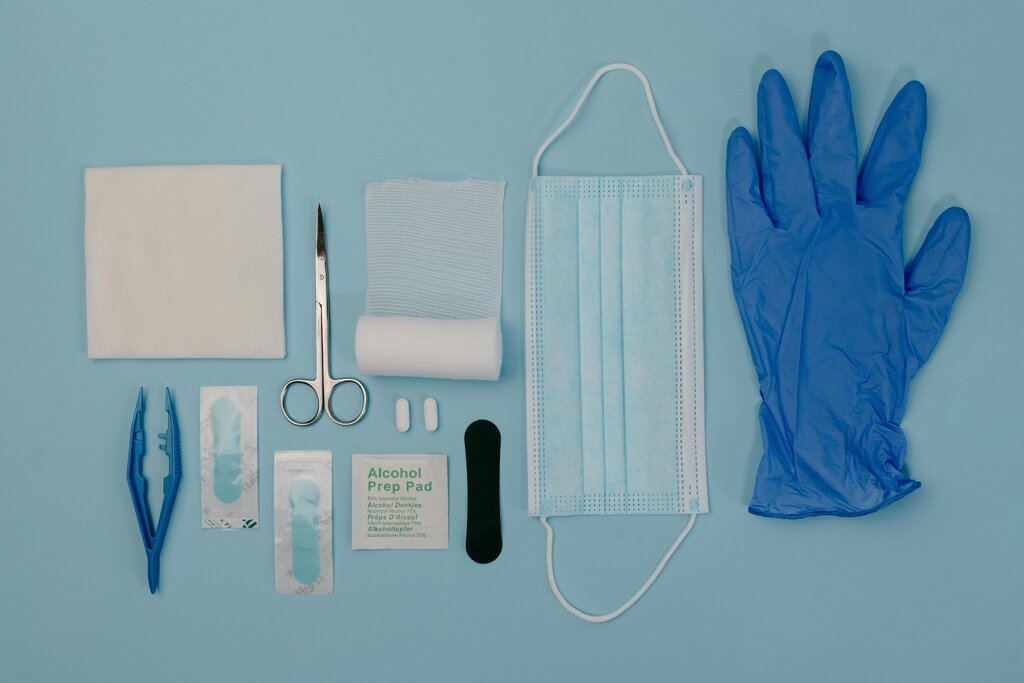
| Item | Purpose | Check For |
|---|---|---|
| Adhesive bandages (various sizes) | Covering minor cuts and scrapes | Intact wrappers |
| Sterile gauze pads | Controlling bleeding, covering larger wounds | Sealed packaging |
| Antiseptic wipes | Cleaning wounds and hands | Expiration date |
| Medical tape | Securing gauze or splints | Good adhesion |
| Disposable gloves | Protecting yourself from bodily fluids | Tears or holes |
| Scissors and tweezers | Cutting tape/clothing, removing splinters | Cleanliness |
| Pain relievers (e.g., ibuprofen) | Relieving pain and reducing fever | Expiration date |
Remember to check your kit every six months. Replace any used items and throw out anything that has expired. Make sure everyone in your family knows where the kit is kept.
The Primary Assessment
When you arrive at a scene, you need to quickly figure out what's wrong. This initial check is called the primary assessment. It helps you identify and address any immediate life-threatening conditions. A common way to remember the steps is with the acronym ABC: Airway, Breathing, and Circulation.
First, check for responsiveness. Tap the person on the shoulder and shout, "Are you okay?" If there's no response, they are unconscious. This is a medical emergency, and you should call for help immediately.
Next, check the Airway. Is it open and clear? An unconscious person's tongue can block their airway. To open it, gently tilt their head back and lift their chin. Look inside their mouth for any obstructions like food or vomit.
Then check for Breathing. For no more than 10 seconds, look for chest movement, listen for breath sounds, and feel for air on your cheek. If the person is not breathing, or only gasping, they need immediate help.
Finally, check Circulation. Look for signs of severe bleeding. A large amount of blood is the most obvious sign of a life-threatening circulation problem that you must address immediately.
Use the ABCs (Airway, Breathing, Circulation) for immediate care decisions.
This quick ABC check gives you the crucial information needed to decide your next steps. In an emergency, a calm and methodical approach makes all the difference.