Essential Digital Marketing Tools
Introduction to Digital Marketing
What Is Digital Marketing?
At its core, digital marketing is any marketing effort that uses an electronic device or the internet. It's how businesses connect with current and potential customers through digital channels. Think of it as the modern way to get the word out, build relationships, and grow a brand.
Digital marketing
noun
The promotion of brands to connect with potential customers using the internet and other forms of digital communication.
Why does it matter so much? Because people spend a huge amount of their time online. Digital marketing meets them where they are: scrolling on social media, searching on Google, checking their email, or reading blogs. Instead of pushing ads on billboards or in magazines, you can engage with people in the digital spaces they already enjoy.
The goal is to connect with your audience in the right place and at the right time. Today, that place is online.
The Main Channels
Digital marketing isn't just one single activity. It's a collection of different strategies and channels, each with its own strengths. Most businesses use a mix of these channels to create a cohesive strategy. Let's look at the most common ones.
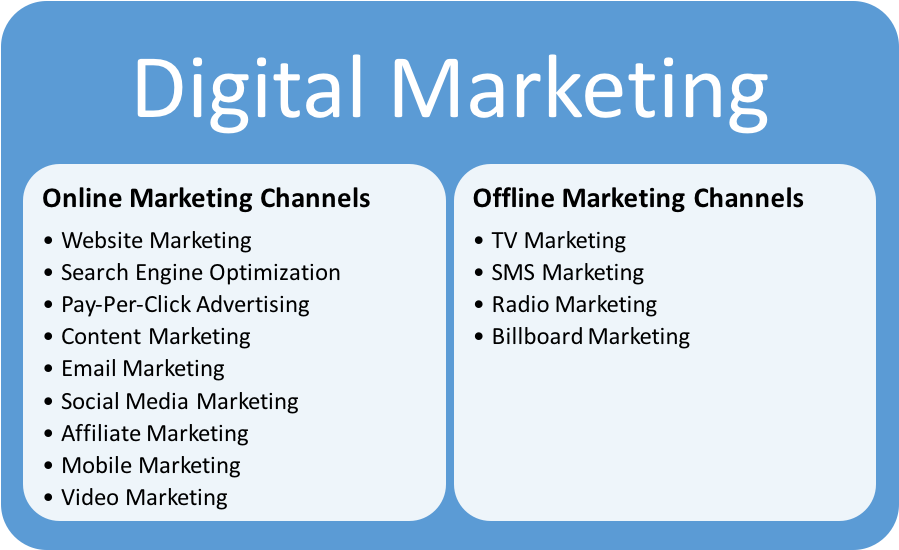
Search Engine Optimization (SEO) SEO is the process of improving your website to increase its visibility when people search for products or services related to your business in Google, Bing, and other search engines. The better your visibility, the more likely you are to attract new and existing customers.
Think of it like setting up a shop. You wouldn't want your store hidden in a back alley where no one can find it. SEO is like putting your shop on the main street, with a big, bright sign that tells everyone exactly what you sell.
SEO helps search engines understand what your site is about, making it easier for them to recommend it to the right people.
Content Marketing Content marketing focuses on creating and distributing valuable, relevant, and consistent content to attract and retain a clearly defined audience. This isn't about direct selling. Instead, it’s about providing useful information, like blog posts, videos, or tutorials, that builds trust and establishes your brand as an expert.
For example, a company that sells gardening tools might create blog posts about how to grow perfect tomatoes or videos on seasonal planting tips. By offering helpful advice, they build a loyal following. When it's time for those followers to buy a new shovel, that company is the first one they'll think of.
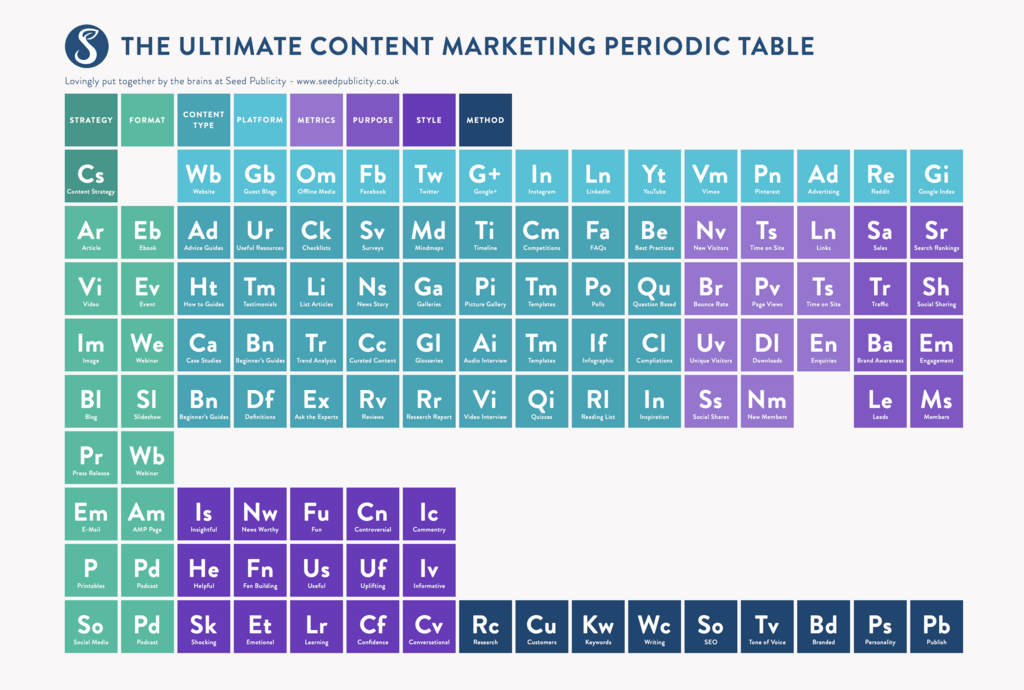
Social Media Marketing This involves using social media platforms like Facebook, Instagram, X (formerly Twitter), and LinkedIn to promote a product or service. But it’s more than just posting ads. It's about building a community, engaging in conversations, and showing the human side of your brand. It allows you to connect with your audience on a more personal level.
Email Marketing Email marketing is one of the most direct and effective ways to connect with your leads, nurture them, and turn them into customers. It's the process of sending targeted commercial messages to a list of people who have given you permission to contact them. These could be newsletters with company updates, promotions for new products, or helpful tips related to your industry.
Pay-Per-Click (PPC) Advertising PPC is a model of internet marketing in which advertisers pay a fee each time one of their ads is clicked. Essentially, it’s a way of buying visits to your site, rather than attempting to “earn” those visits organically through SEO.
One of the most common types of PPC is search engine advertising. You've probably seen them—they're the ads that appear at the top of Google's search results page. This channel allows you to reach potential customers at the exact moment they are searching for what you offer.

Putting It All Together
Digital marketing is essential for modern businesses. It levels the playing field, allowing small companies to compete with large corporations. By using a strategic mix of these channels, businesses can build awareness, attract new customers, and foster long-term loyalty.
These channels don’t work in isolation. A strong digital marketing strategy integrates them. Content from your blog can be promoted on social media, which can help grow your email list. SEO can make your content more discoverable, and PPC ads can drive immediate traffic while your SEO efforts build up. Together, they create a powerful system for growth.
Ready to check your understanding of these core concepts?
What is the fundamental purpose of digital marketing?
A gardening tool company creates a popular blog with posts on 'How to Grow Perfect Tomatoes' and 'Seasonal Planting Tips'. This is a prime example of which strategy?
Understanding these fundamentals is the first step. Each channel offers unique ways to connect with an audience, and knowing how they work is key to building a successful online presence.