Essential Cat Care
Understanding Cat Nutrition
Not Just a Picky Eater
Have you ever wondered why your cat turns its nose up at a piece of bread but goes wild for chicken? It's not just a preference; it's biology. Cats are obligate carnivores, a term that defines their entire dietary needs.
obligate carnivore
noun
An animal that must consume meat to survive and has a diet consisting of at least 70% animal flesh.
This means that to get all the nutrients they need to be healthy, cats must eat meat. Their bodies are specifically designed to digest and utilize nutrients from animal sources. They can't create certain essential nutrients on their own, so they have to get them from their food. Think of it like a car designed to run only on premium gasoline; putting in a lower grade might work for a bit, but it will eventually cause serious problems.
The Building Blocks of a Feline Diet
A complete and balanced diet for a cat revolves around a few key components derived almost exclusively from animal tissue.
Protein is the most critical. It provides the essential amino acids that build everything from muscles to enzymes. One of the most important is taurine, which is vital for heart health, vision, and reproduction. Cats cannot synthesize enough taurine themselves and must get it from meat, fish, or poultry.
Fats are another crucial energy source. They provide essential fatty acids, like omega-3s and omega-6s, which are important for a healthy coat, skin, and joint function. They also make food taste better, which definitely matters to a cat.
Vitamins and Minerals are the final pieces of the puzzle. Cats need specific vitamins like A, D, and various B vitamins, which are readily available in animal sources. For instance, cats can't convert beta-carotene from plants into Vitamin A like humans can; they need the pre-formed Vitamin A found in liver and other animal fats.
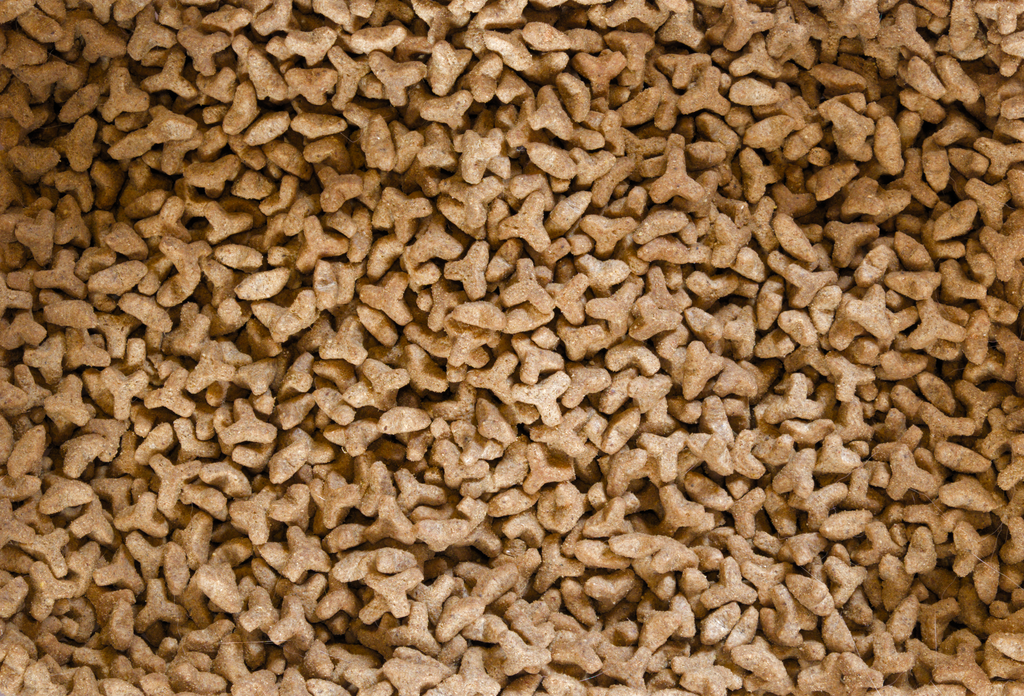
Whether you choose wet or dry food, the most important thing is to read the label. Look for a statement from a regulatory body like AAFCO (Association of American Feed Control Officials) that confirms the food is "complete and balanced" for your cat's life stage.
Serving the Perfect Meal
Knowing what to feed your cat is half the battle. The other half is knowing how much and how often. Portion control is essential for preventing obesity, which can lead to serious health issues like diabetes and arthritis. The feeding guidelines on the back of a bag or can are a good starting point, but you may need to adjust based on your cat's age, activity level, and metabolism.
Some owners prefer "free-feeding," where food is available all day. This can work for some cats, but it often leads to overeating. A better approach for most is scheduled meals, offering food two or three times a day. This helps control portions and creates a routine.

Hydration is just as important as food. Cats evolved from desert animals and don't have a strong thirst drive. They are designed to get most of their water from their prey.
Since dry kibble contains very little moisture, cats on a dry-food-only diet need constant access to fresh, clean water. Canned wet food, which has a much higher water content, is an excellent way to boost their hydration.
Kitchen Dangers
While sharing food can be a sign of affection, many human foods are dangerous for cats. Their unique metabolism can't process certain substances, making them toxic. It's always safest to stick to food made specifically for felines. Here are some of the most common culprits to keep away from your cat.
| Food | Why It's Dangerous |
|---|---|
| Onions, Garlic, Chives | Can damage red blood cells, causing anemia. |
| Chocolate | Contains theobromine, which is toxic to cats and can cause heart problems. |
| Grapes and Raisins | Can cause acute kidney failure. |
| Alcohol | Highly toxic and can lead to severe liver and brain damage. |
| Xylitol (sweetener) | Can cause a severe drop in blood sugar and liver failure. |
| Dog Food | Not immediately toxic, but it lacks the specific nutrients cats need, like taurine. |
Proper nutrition is the foundation of your cat's health. By understanding their needs as carnivores and providing a balanced, appropriate diet, you can help them live a long, healthy, and happy life.
What does the term "obligate carnivore" mean when referring to a cat's diet?
Which essential amino acid, vital for heart health and vision, must cats obtain from animal tissue?