Essay Research Mastery
Understanding Essay Types
Four Essays, Four Goals
Not all essays are created equal. Depending on what you want to achieve, you'll choose a different type of essay. Think of it like choosing the right tool for a job. You wouldn't use a hammer to saw a board.
We'll look at four common types: argumentative, expository, descriptive, and narrative. Each has a unique purpose, structure, and approach to research. Understanding them helps you plan your writing and find the right information to support your goal.
The Argumentative Essay: Take a Stand
The goal of an argumentative essay is to persuade your reader to accept your point of view. This isn't just about stating your opinion. It's about building a case with solid evidence and logical reasoning, much like a lawyer in a courtroom.
Your mission is to convince the reader that your claim is not only valid but also worth believing.
The structure is crucial. You start with a clear, debatable thesis statement in your introduction. This is the core claim you'll defend. The body of the essay presents your points, with each paragraph typically focusing on one piece of evidence. A strong argumentative essay also acknowledges and refutes opposing views, which shows you've considered the topic from all sides. The conclusion then circles back to your thesis, reinforcing your position.
For research, you'll need to dig for facts, statistics, expert opinions, and credible studies that back up your claims. It's equally important to research the counterarguments so you can address them effectively.
| Component | Purpose in an Argumentative Essay |
|---|---|
| Thesis Statement | States your specific, debatable position. |
| Evidence | Provides factual support (data, quotes, studies). |
| Counterargument | Acknowledges and disproves opposing views. |
| Conclusion | Summarizes your case and reinforces your thesis. |
The Expository Essay: Just the Facts
Unlike the argumentative essay, an expository essay doesn't try to persuade. Its purpose is to explain, inform, or clarify a topic in a balanced and objective way. Think of a textbook chapter, a news report, or a how-to guide. The writing is straightforward and factual, leaving the author's opinion out of it.
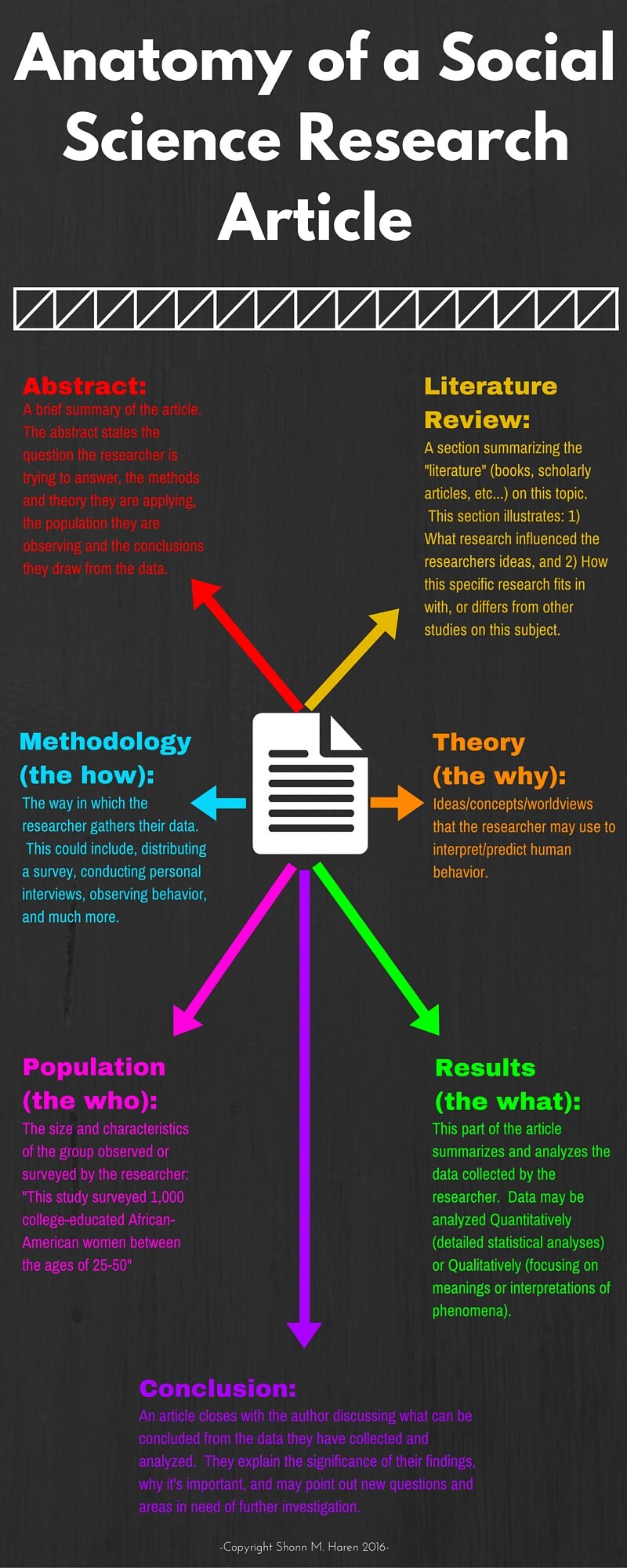
Structurally, an expository essay introduces the topic and then breaks it down into logical parts in the body paragraphs. Common organizational patterns include cause and effect, compare and contrast, or process analysis (step-by-step).
Research for an expository essay involves gathering facts from reliable sources. The goal isn't to find evidence for one side, but to collect comprehensive information to present a complete and unbiased picture of the subject.
Descriptive and Narrative Essays
While argumentative and expository essays focus on facts and logic, descriptive and narrative essays tap into experience and storytelling. They often overlap, but have distinct primary goals.
A descriptive essay aims to paint a vivid picture of a person, place, object, or event using sensory details. The goal is for the reader to see, hear, smell, taste, and feel what you're describing. Research might involve observation, interviews, or finding details that enrich the sensory experience you want to create.
A narrative essay, on the other hand, tells a story. It has characters, a plot, a setting, and a point or theme. The structure follows a story arc, usually chronologically, with a clear beginning, middle, and end. While often personal, a narrative essay isn't just a diary entry; it's crafted to make a point or share a meaningful insight.
For a narrative, research might mean exploring the context of your story. If you're writing about a historical event you experienced, you might look up dates and facts to ensure accuracy. If it's a personal story, your research is often introspection and memory.
| Essay Type | Primary Goal | Key Element |
|---|---|---|
| Descriptive | To create a vivid picture. | Sensory details. |
| Narrative | To tell a meaningful story. | Plot and characters. |
Knowing these four types gives you a powerful starting point for any writing task. By identifying your goal—to persuade, explain, describe, or tell a story—you can choose the right structure and research strategy for the job.
If your goal is to convince the school board to fund a new music program by presenting data, expert testimony, and logical reasoning, which type of essay would be most effective?
The primary purpose of an expository essay is to: