Espresso Making Fundamentals
Bean Selection
Choosing Your Beans
The journey to a perfect shot of espresso begins long before you touch a machine. It starts with the beans. The type of bean, how it's roasted, and its freshness are the three pillars that support the final flavor in your cup. Get these right, and you're well on your way.
First, let's talk about bean varieties. While there are many types of coffee plants, the coffee world is dominated by two main species: Arabica and Robusta.
Arabica beans are the most popular, making up over 60% of the world's coffee. They are known for their complex and aromatic flavor profiles. Think bright, acidic notes with hints of fruit, flowers, and sugar. They grow at high altitudes and require careful cultivation, which makes them more expensive.
Robusta beans are hardier and, as the name suggests, more robust. They have a stronger, bolder flavor, often described as rubbery or chocolatey. They contain about twice the caffeine of Arabica beans and are famous for producing a thick, stable crema—the reddish-brown foam that sits on top of an espresso shot.
For espresso, you'll rarely find a bag of 100% Robusta beans. More often, you'll see 100% Arabica or, very commonly, a blend. Espresso blends mix Arabica and Robusta to get the best of both worlds: the nuanced flavor of Arabica and the rich crema and caffeine kick of Robusta.
| Feature | Arabica | Robusta |
|---|---|---|
| Flavor | Complex, sweet, fruity, floral | Bold, strong, chocolatey |
| Acidity | High | Low |
| Caffeine | Lower (≈1.5%) | Higher (≈2.5%+) |
| Crema | Thin, light | Thick, stable |
| Cost | Higher | Lower |
The Art of the Roast
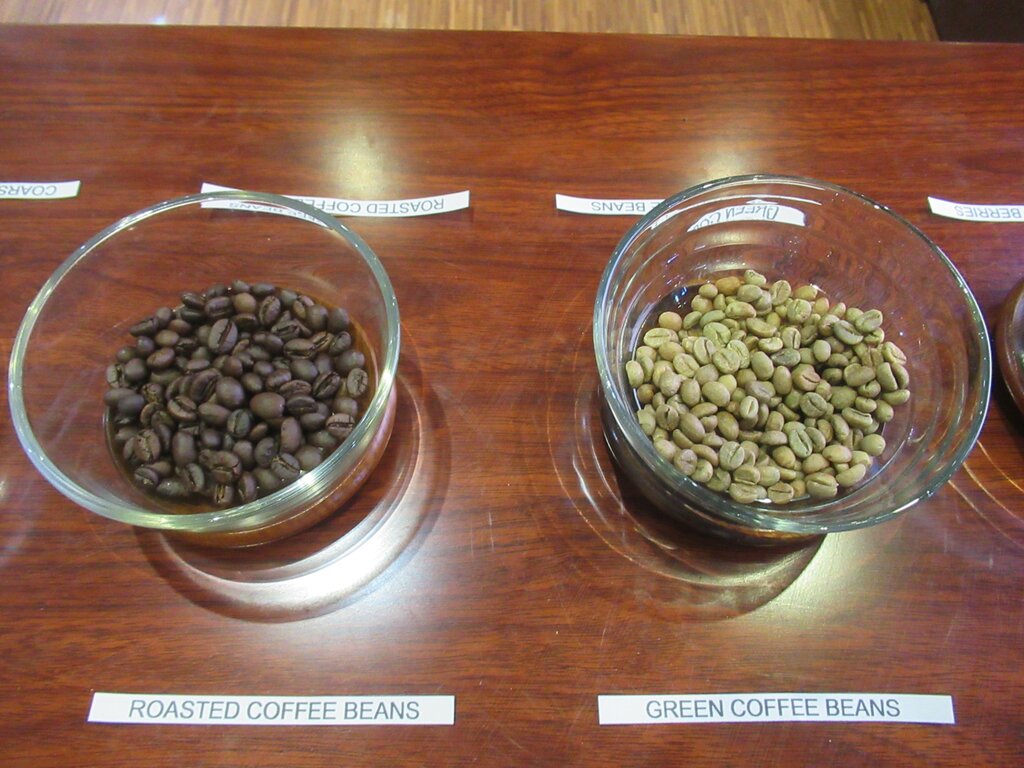
A green coffee bean doesn't taste much like coffee. The magic happens during roasting, a heating process that transforms the bean's chemical structure and unlocks its aromatic compounds. The roast level has a massive impact on flavor.
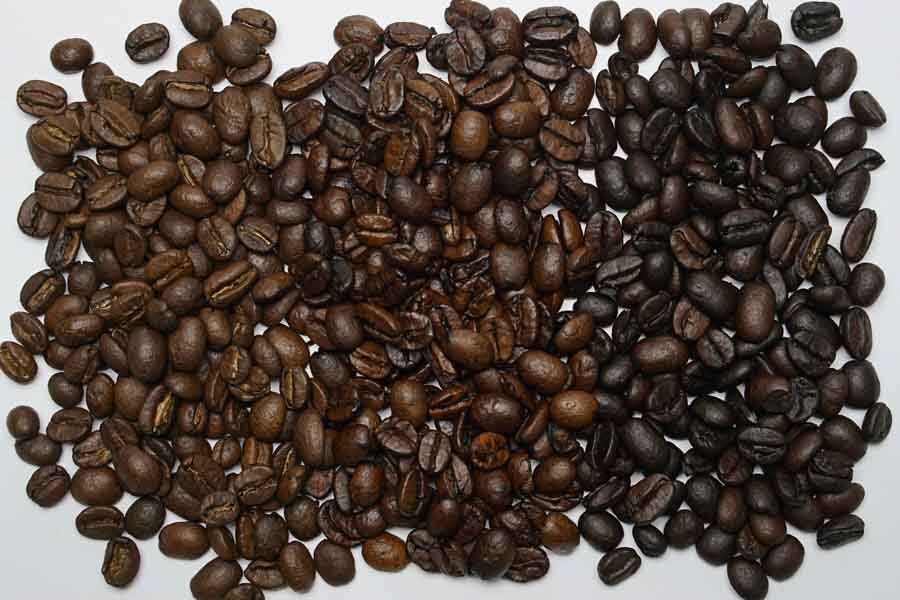
Light Roasts have a light brown color and no oil on their surface. This roast level preserves the bean's original characteristics, highlighting bright, acidic, and fruity or floral notes. While popular for drip coffee, it's less common for traditional espresso because the high acidity can be overpowering in a concentrated shot.
Medium Roasts are a classic choice for espresso. They have a medium brown color and a balanced flavor profile, with sweetness and body taking center stage. You'll find notes of caramel, chocolate, and nuts. This roast strikes a harmony between the bean's origin flavors and the toasted notes from the roasting process.
Dark Roasts are what many people associate with espresso. These beans are dark brown to nearly black, often with an oily sheen. The roasting process dominates the flavor, resulting in low acidity, a heavy body, and bold, smoky, or bittersweet chocolate notes. This is the style favored for traditional Italian espresso.
Lighter roasts preserve the bean’s inherent fruity and acidic qualities, while medium roasts bring balance through sweetness and body.
Freshness is Key
Coffee is a perishable product. Once roasted, beans begin to release carbon dioxide and their volatile aromatic compounds—the very things that give coffee its amazing flavor and aroma—start to degrade. This process is called degassing.
For the best results, you want to use beans that are between three days and three weeks past their roast date.
- Too Fresh (1-3 days): Beans that have just been roasted are still releasing a lot of CO₂. Using them too soon can lead to an uneven extraction and a bubbly, sour-tasting shot.
- Just Right (3-21 days): This is the sweet spot. The beans have degassed enough to be stable but are still fresh enough to have a vibrant flavor.
- Getting Old (3+ weeks): After a few weeks, the beans will have lost much of their aroma and complexity, resulting in a flat, dull-tasting espresso.
Always look for a “roasted on” date on the bag, not an expiration date. This tells you exactly how fresh the beans are.
To keep your beans fresh, store them properly. Keep them in an airtight container away from light, heat, and moisture. A cool, dark pantry is perfect. Avoid the refrigerator or freezer, as condensation can damage the beans.
Now that you know how to select the right foundation for your espresso, let's test your knowledge.
Which coffee bean species is prized for producing a thick, stable crema and having a higher caffeine content?
For the best flavor, espresso beans should ideally be used within what time frame after their roast date?
Choosing the right bean is the first and most critical step. By understanding the differences between varieties, roast levels, and the importance of freshness, you have the power to control the final flavor in your cup.