Esports Ecosystem and Brand Integration
Introduction to Esports
The Rise of Competitive Gaming
Esports, or electronic sports, is organized, competitive video gaming. It's not just a group of friends playing in a basement. It's professional players, teams, leagues, and massive tournaments where top gamers compete for multi-million dollar prize pools in front of millions of fans.
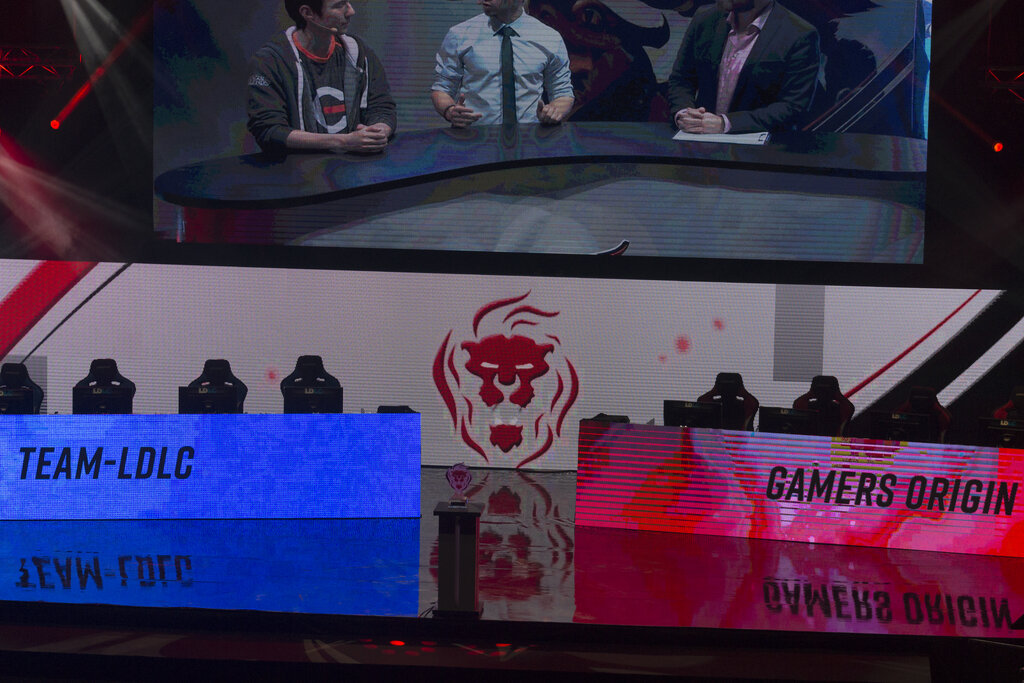
But it wasn't always this way. The roots of esports trace back to the early days of arcade games. One of the first organized video game competitions happened in 1972 at Stanford University for the game Spacewar!. The grand prize? A year's subscription to Rolling Stone magazine. In the 1980s, Atari held a Space Invaders Championship that drew more than 10,000 participants, showing the early public appetite for competitive play.
The 1990s brought two game-changers: the internet and first-person shooter games like Doom and Quake. Gamers could now connect their computers for Local Area Network (LAN) parties, setting the stage for more complex team-based competitions. South Korea, in particular, became a hotbed for esports with the release of StarCraft in 1998, building a professional scene with televised matches and salaried players long before the rest of the world caught on.
Fueling the Growth
Three key factors transformed esports from a niche hobby into a global industry.
First, technology got better and cheaper. Powerful home computers and gaming consoles became widely available. More importantly, high-speed internet access spread across the globe, allowing for smooth, lag-free online multiplayer competition. This moved gaming from the living room couch to a worldwide arena.
Second, streaming platforms emerged. The launch of Twitch in 2011 was a pivotal moment. It gave anyone the ability to broadcast their gameplay to a live audience. This created a direct connection between players and fans, turning top gamers into celebrities with huge followings. Viewers could now watch the best in the world play, learn their strategies, and be part of a community.
Platforms like Twitch and YouTube Gaming didn't just provide a stage for competition; they built a culture around it.
Finally, game developers began to actively support and build their own competitive ecosystems. Companies like Riot Games (League of Legends) and Valve (Dota 2, Counter-Strike) invested heavily in creating professional leagues, funding massive prize pools, and organizing world-class tournaments. They recognized that a thriving esports scene could extend a game's lifespan and create a deeply engaged player base.
A New Economic and Cultural Force
The impact of esports is massive. Economically, the industry is booming. It generates revenue from sponsorships, advertising, merchandise, and ticket sales. Major non-gaming brands like Coca-Cola, Mercedes-Benz, and Nike now sponsor teams and events, hoping to reach the young, tech-savvy esports audience.
This has created a whole new job market. Beyond the players themselves, there are careers for coaches, analysts, event organizers, broadcasters (known as "casters"), marketing managers, and more. Universities have even started offering scholarships for esports athletes and degree programs focused on the business of gaming.
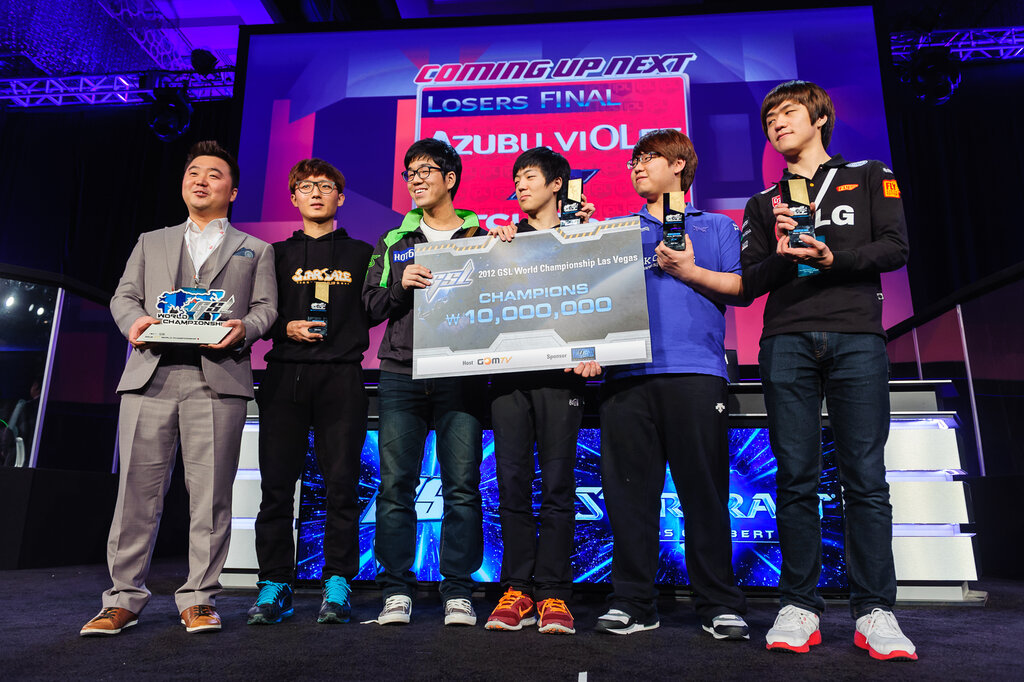
Culturally, esports has established itself as a legitimate form of entertainment. Major tournaments draw viewership numbers that rival traditional sporting events like the Super Bowl or the World Cup. It has also fostered a strong sense of global community, connecting people from different backgrounds through a shared passion for gaming.
This isn't just a trend. Esports represents a fundamental shift in how we think about sports, entertainment, and community in the digital age.
Ready to check your knowledge on the world of esports?
What was the grand prize for the 1972 Spacewar! tournament at Stanford University, one of the earliest recorded competitive gaming events?
Which of the following was NOT listed as a key factor in transforming esports from a niche hobby into a global industry?
From early arcade challenges to packed stadiums, esports has cemented its place as a major force in global entertainment.