ESP32 MicroPython Programming
Introduction to ESP32 and MicroPython
Meet the ESP32
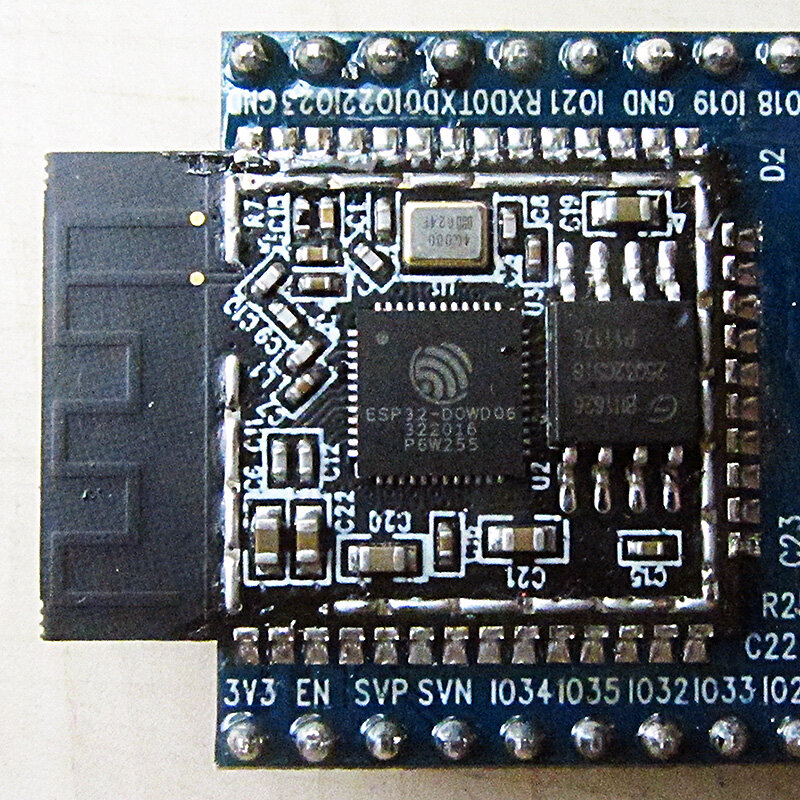
Think of a microcontroller as a tiny, dedicated computer on a single chip. It doesn't run a full operating system like your laptop, but it's perfect for controlling specific tasks, like reading sensors, flashing lights, or spinning motors. The ESP32 is a popular and powerful microcontroller that packs a serious punch for its small size and low cost.
The ESP32, developed by Espressif Systems, is a powerful, low-cost, low-power microcontroller with integrated Wi-Fi and Bluetooth capabilities.
What makes the ESP32 special is that it's a "System on a Chip" (SoC). This means it's not just a processor; it also has built-in Wi-Fi and Bluetooth radios. This integration is a game-changer. Instead of needing separate components to connect your project to the internet or other devices, the ESP32 has everything you need right on the chip. This simplifies building connected devices, often called the Internet of Things (IoT).
A Simpler Way to Program
Traditionally, programming microcontrollers involved languages like C or C++, which are powerful but can be complex and unforgiving, especially for beginners. Every detail needs to be managed carefully, from memory allocation to hardware registers. This creates a steep learning curve.
Enter MicroPython. It changes the game by bringing the simplicity and readability of Python to the world of microcontrollers.
MicroPython is a lean and efficient implementation of the Python 3 programming language that is optimized to run on microcontrollers.
Imagine taking the core of Python, known for its clean syntax and extensive libraries, and shrinking it down to fit on a tiny device with limited memory and processing power. That's MicroPython. It allows you to write code that looks and feels just like standard Python, making hardware programming more accessible and intuitive.
The Perfect Match
Combining the ESP32 with MicroPython creates a powerful and user-friendly platform for building projects. Here’s why they work so well together:
Prototyping
noun
The process of creating a preliminary model or version of a device or system to test concepts and functionality.
Speed and Simplicity: Writing code in MicroPython is much faster than in C++. The syntax is cleaner and requires fewer lines to accomplish the same task. This allows for rapid prototyping and iteration. You can test new ideas quickly without getting bogged down in complex code.
Power Meets Accessibility: The ESP32 is a capable chip with a fast processor and a good amount of memory. This hardware is more than enough to run the MicroPython interpreter smoothly, giving you access to the board's powerful features—like Wi-Fi and Bluetooth—through simple Python commands.
Interactive Programming: One of MicroPython's best features is the REPL (Read-Evaluate-Print Loop). It's an interactive prompt that lets you connect to the ESP32 and type commands directly, getting immediate feedback. You can turn an LED on or off, read a sensor value, or scan for Wi-Fi networks in real-time. This makes debugging and experimenting incredibly easy.
Ready to check your understanding?
What key feature makes the ESP32 particularly well-suited for Internet of Things (IoT) projects?
What is the primary advantage of using MicroPython for programming an ESP32 compared to a traditional language like C++?
This combination of a powerful, connected chip and an easy-to-use programming language opens up a world of possibilities for makers, students, and professionals alike.