Esoteric Voices of Portuguese Women Poets
Symbolism and Decadent Roots
The Mystical Turn
At the turn of the 20th century, Portuguese poetry took a sharp turn inward. The dominant trends of Realism and Naturalism, with their focus on objective, social reality, began to feel inadequate. A new generation of writers, including many pioneering women, felt a pull towards the subjective, the spiritual, and the unspoken. They sought to capture the inner world of emotion and intuition, a landscape that couldn't be measured or cataloged by science.
This movement was built on the foundations of European and Decadentism. These weren't just stylistic choices; they were philosophical stances. Symbolism proposed that the true reality was not the physical world but a hidden, ideal world of forms and ideas. The poet's job was to hint at this deeper reality through suggestion, metaphor, and musicality, rather than describing it directly. Decadentism added a fascination with artifice, existential weariness, and a rejection of bourgeois norms, often exploring themes of suffering and decay with a refined aesthetic sensibility.
Central to this new Portuguese poetry was the concept of saudade. Often translated simply as
a deep emotional state of nostalgic or profound melancholic longing for an absent something or someone that one loves.
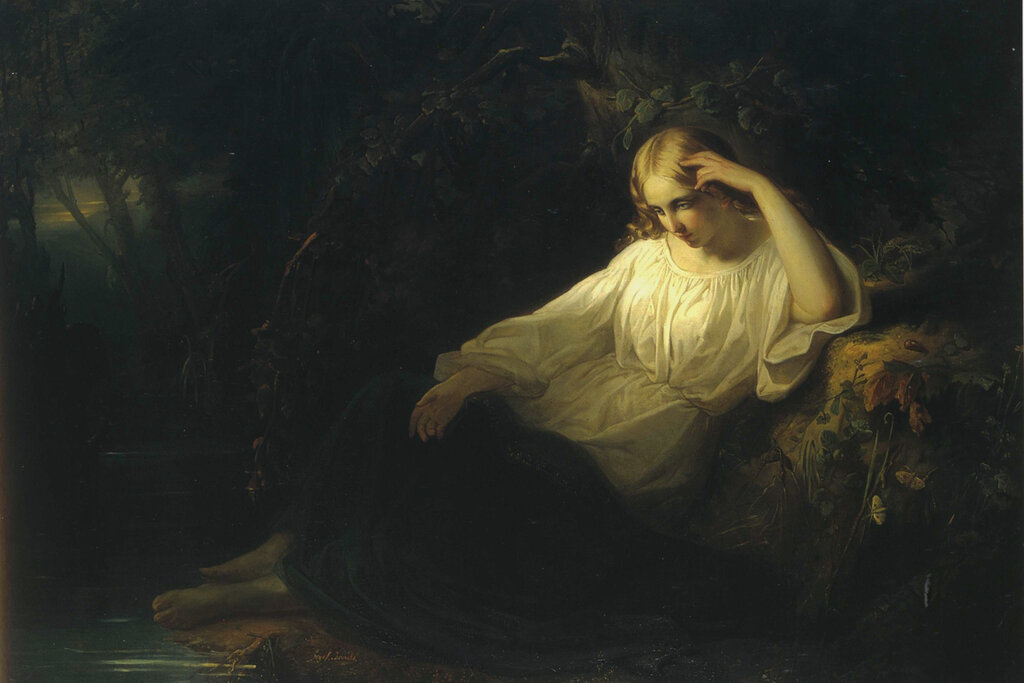
, the term carries a much deeper weight. While male poets like Fernando Pessoa explored it as a national, historical longing, female poets reframed it. For them, saudade became a vehicle for exploring interiority and metaphysical angst. It wasn't just a longing for a lost person or a mythic past, but a profound yearning for spiritual wholeness, a feeling of being exiled from a more authentic, essential reality. This transformed a cultural feeling into a powerful tool for mystical expression.
A European Echo
This inward turn didn't happen in a vacuum. Portuguese intellectuals were deeply engaged with broader European currents of thought, particularly those that offered alternatives to both scientific materialism and rigid Catholic doctrine. The ideas of figures like the Swedish mystic and the French poet Charles Baudelaire were especially influential.
Swedenborg's theory of correspondences, which proposed a direct link between the natural world and a spiritual one, gave poets a framework for seeing everyday objects as symbols of a higher reality. Baudelaire, in his poem "Correspondances," popularized this idea for artists, suggesting that "perfumes, colors, and sounds answer each other." This created a permission structure for poets to abandon literal description and instead build a world of resonant symbols. It allowed them to move beyond traditional religious piety toward a more personal, heterodox spirituality—one they constructed themselves.
This search for spiritual meaning was amplified by Portugal's turbulent political climate. The assassination of the king in 1908, followed by the fall of the monarchy and the establishment of an unstable First Republic in 1910, created a profound sense of national uncertainty. When external structures crumble, people often look inward for a foundation. For these poets, art became a space to construct a new kind of order, one based on personal spiritual exploration rather than politics or traditional faith.
From Sorrow to Structure
One of the most important early expressions of this new sensibility was Florbela Espanca's Livro de Mágoas (Book of Sorrows), published in 1919. The collection is a landmark of confessional poetry, using the traditional sonnet form to explore intense personal suffering, frustrated desire, and deep dissatisfaction. Its raw emotionality laid the groundwork for a poetry of the female interior.
But this was just the beginning. While Espanca's work centered on existential pain, other poets who followed built upon this foundation of interiority to create more complex metaphysical systems. They moved from expressing sorrow to analyzing its spiritual implications. The focus shifted from the pain itself to what the pain symbolized, using the aesthetics of Symbolism and Decadence to map out unique spiritual landscapes.
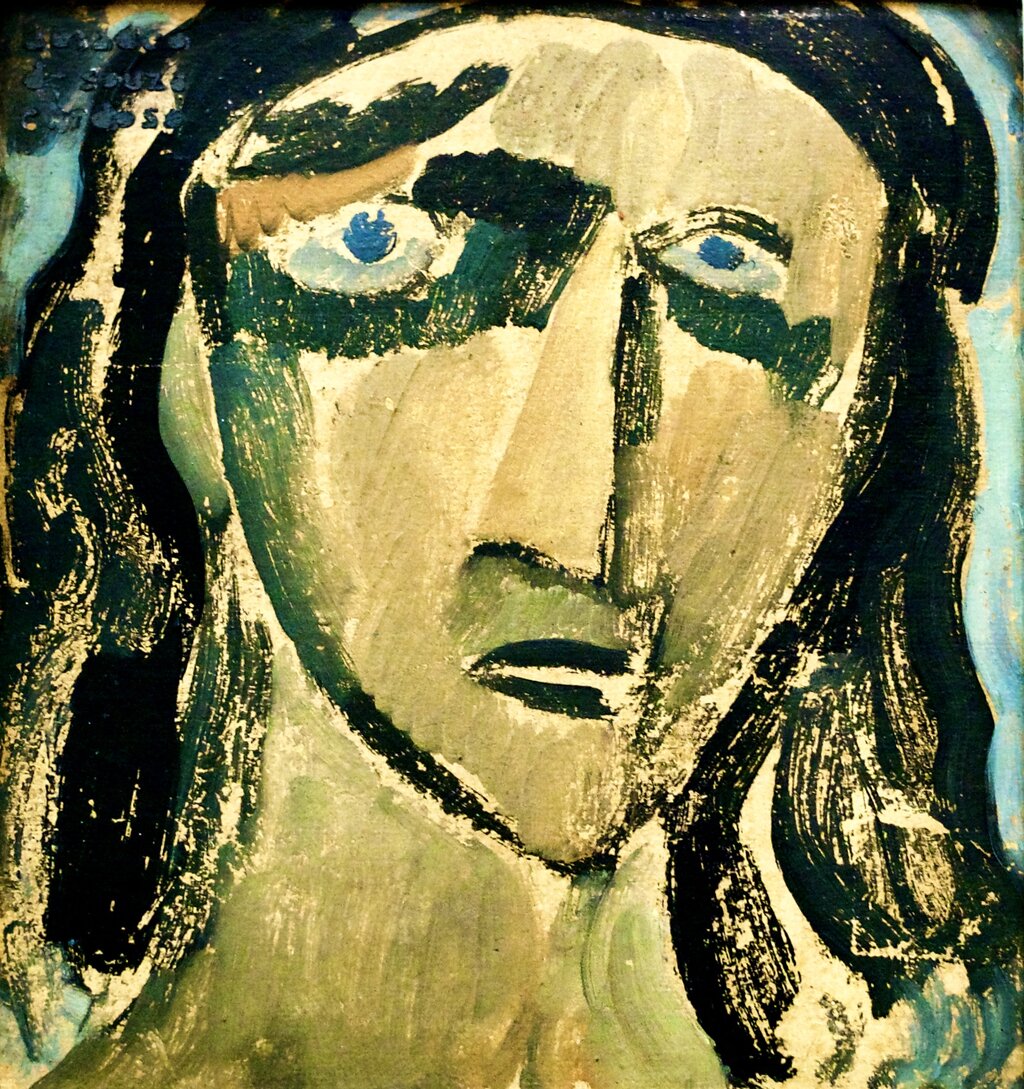
This evolution from personal lament to structured mystical thought marks the true beginning of a unique tradition in 20th-century Portuguese poetry, one where women's voices were central to defining the nation's spiritual and literary concerns.
What were the two primary European literary movements that influenced the inward turn of Portuguese poetry at the beginning of the 20th century?
How did female poets of this era, in contrast to their male counterparts, typically redefine the concept of saudade?