ESL for Toddlers
Understanding Toddler Development
The Toddler Brain
Toddlers are like tiny scientists. From about age one to three, their main job is to figure out how the world works. They aren't just being messy when they drop their spoon from the high chair over and over; they're testing gravity. This is a key part of their cognitive development, or how they learn to think and reason.
One of the biggest mental leaps they make is understanding object permanence. When you hide a toy under a blanket, they know it's still there. This might seem simple, but it means they can hold an idea in their mind. This ability is crucial for language. A word, after all, is just a symbol for something that might not be right in front of them.
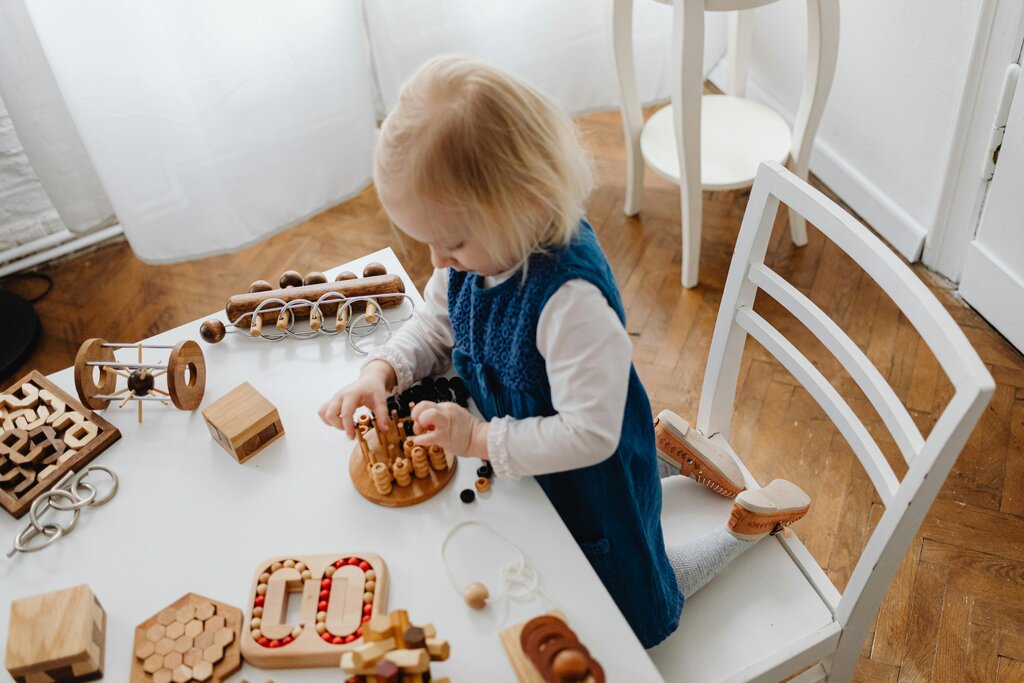
Around the same time, symbolic thought begins to blossom. A block can become a car, and a banana can become a telephone. This pretend play is the same mental muscle used for language. The sound "apple" isn't actually an apple, but it stands for one. As toddlers grasp that one thing can represent another, they unlock the foundation for understanding and using words.
Learning to Be Human
As their brains are busy making connections, toddlers are also navigating a complex social and emotional world. They are moving from being babies who are fully dependent to little people with their own desires and big feelings.
Have you ever seen two toddlers playing side-by-side, but not together? This is called parallel play. They are aware of each other and enjoy the company, but they aren't quite ready to collaborate. This social stage affects language learning. They might listen and absorb words from other kids long before they start having back-and-forth conversations.
Emotional expression is a huge driver for language. Words like "mine!", "no!", and "happy" are often learned early because they connect directly to a powerful feeling or desire.
This emotional journey can be a rollercoaster. A toddler might have a meltdown because they can't express their frustration with words. As their vocabulary grows, they slowly learn to say, "I'm sad" instead of just crying. When a toddler is learning a second language like English, they are not just learning new words; they are finding new tools to understand and express their inner world.
Every Child is Different
It’s vital to remember that there's a wide range of "normal" in development. One toddler might be speaking in short sentences while another is still focused on mastering single words. This variability is perfectly natural.
Factors like personality, environment, and exposure to language all play a role. A shy, observant child might build a large receptive vocabulary (words they understand) before they feel comfortable speaking. An outgoing child might start chattering early, even if their pronunciation isn't perfect.
| Developmental Area | Impact on Language Learning |
|---|---|
| Cognitive | Understanding that words are symbols for objects and ideas. |
| Social | Learning by listening to others and developing a desire to communicate. |
| Emotional | Using words to express feelings and needs, like "want" or "sad." |
| Physical | Developing the motor control in the mouth and tongue to form sounds. |
For a toddler learning English as a second language, this variability is even more pronounced. They are tackling the already huge task of toddlerhood while also sorting out two different language systems. Their progress in one language might seem to slow down as they focus on the other, which is a normal part of the bilingual process.
By weaving learning into everyday moments, you’re helping your toddler develop critical thinking, language, and problem-solving skills without them even realizing it.
Understanding these developmental stages helps create a supportive environment. It’s not about pushing flashcards; it's about recognizing that a toddler's desire to explore, play, and connect is the very engine that drives language acquisition.
Time for a quick check on these concepts.
Why is a toddler's ability to understand 'object permanence' (knowing a toy exists even when hidden) considered a key step towards learning language?
When two toddlers are seen playing next to each other with their own toys but not interacting, this is a demonstration of:
Understanding a toddler's world is the first step to helping them learn. Their development in one area is always connected to their growth in another.