ESG Education 2026 Scope 1 2 3
Introduction to ESG
What is ESG?
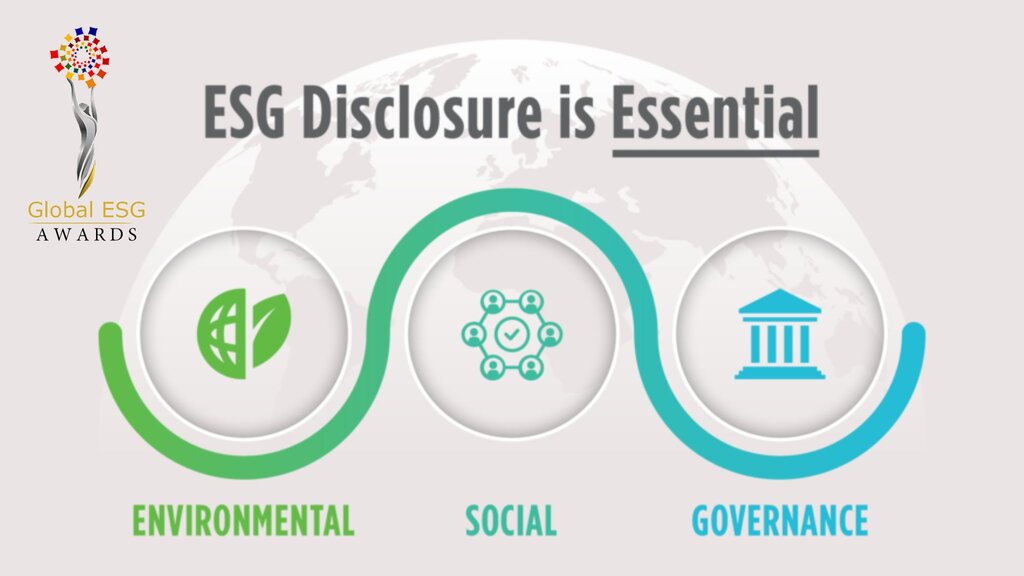
Beyond profits and losses, how do we measure a company's real-world impact? The answer, increasingly, is through the lens of ESG: Environmental, Social, and Governance. These three categories provide a framework for evaluating a company's performance on a wide range of sustainability and ethical issues.
Essentially, ESG is a report card on a company's conscience and its management of long-term risks.
- Environmental criteria look at how a company performs as a steward of nature. This includes its energy use, waste, pollution, and treatment of animals.
- Social criteria examine how it manages relationships with employees, suppliers, customers, and the communities where it operates. Think fair wages, diversity, and customer data protection.
- Governance deals with a company's leadership, executive pay, audits, internal controls, and shareholder rights. It's about how the company is run and who is holding it accountable.
ESG criteria help investors find companies that might pose a lower financial risk due to their environmental or other practices.
A Brief History
The idea of ethical investing isn't new. For centuries, religious groups avoided investing in industries like alcohol or tobacco. But the modern ESG movement gained momentum in the early 2000s.
A 2004 UN report titled "Who Cares Wins" first coined the term ESG. It argued that embedding environmental, social, and governance factors in capital markets made good business sense. It suggested this approach could lead to more sustainable markets and better outcomes for societies.
This idea caught on. Investors began to realize that factors like climate change risk or poor labor practices could significantly harm a company's bottom line. What started as a niche for 'socially responsible' investing has now become a mainstream consideration for major financial institutions worldwide.
Why It Matters for Business
For companies, a strong ESG profile is more than just good PR. It can attract and retain talent, as employees increasingly want to work for businesses that align with their values. It can also open up new markets and appeal to a growing base of conscious consumers.
Most importantly, it’s about risk management. A company that ignores environmental regulations could face hefty fines. One with poor labor practices might face strikes or lawsuits. Weak governance can lead to fraud or mismanagement. Proactively managing these ESG factors is simply smart strategy.
With growing scrutiny from regulators, investors, and communities, proactive ESG performance is now a business imperative.
For investors, ESG data provides a deeper understanding of a company's operations. Two companies might look identical on a financial statement, but their ESG scores could reveal very different risk profiles. A company with a high ESG rating is often seen as being better managed and more prepared for future challenges, making it a potentially more stable long-term investment.
Reporting and Standards
So how do companies report this information? Unlike financial accounting, which has legally mandated standards, ESG reporting is still evolving. There isn't one single, universally accepted standard, which can make it tricky to compare companies directly. However, several major frameworks have emerged to bring consistency to the process.
| Framework | Focus |
|---|---|
| GRI (Global Reporting Initiative) | One of the most widely used standards for sustainability reporting across a broad range of topics. |
| SASB (Sustainability Accounting Standards Board) | Focuses on financially material ESG issues specific to each industry. |
| TCFD (Task Force on Climate-related Financial Disclosures) | Specifically targets climate-related risks and opportunities. |
| IFRS (International Financial Reporting Standards) | Merged with other standard-setters to create global baseline standards, starting with climate. |
These frameworks provide guidelines for what companies should measure and disclose. They help investors, regulators, and the public understand and compare ESG performance, turning abstract concepts into concrete data points.
Ready to check your understanding of these core concepts?
Which of the following issues falls under the 'Social' category of ESG?
The term 'ESG' was first coined in a 2004 United Nations report with what title?
Understanding ESG is the first step in seeing how corporate responsibility is measured and managed. It provides the context for more specific topics, like tracking and reducing emissions.