ESG Controversies and Corporate Performance
Introduction to ESG
What is ESG?
Beyond profits and losses, companies today are often measured by their impact on the world. This is where Environmental, Social, and Governance (ESG) criteria come in. ESG provides a framework for evaluating a company's performance on a wide range of non-financial factors.
Think of it as a report card for a company's corporate citizenship. It helps stakeholders—from investors to customers—understand how a company manages its environmental footprint, treats its people, and runs its operations. These three pillars work together to paint a holistic picture of a company's sustainability and ethical impact.
The Three Pillars
Let's break down what each letter represents.
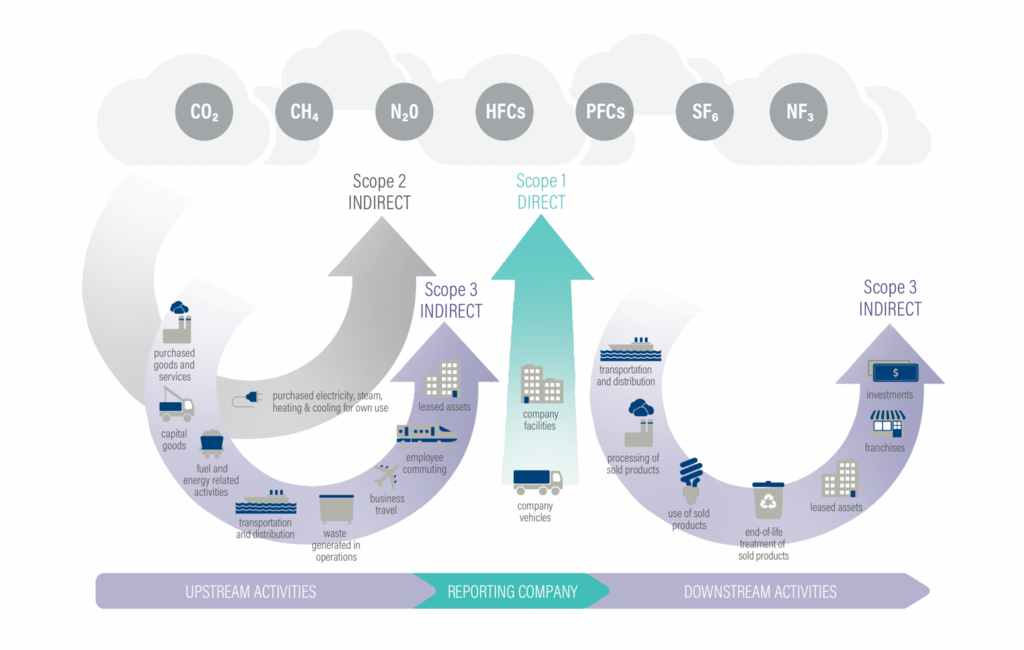
E is for Environmental. This pillar looks at how a company impacts the natural world. It covers everything from a company's energy use and waste management to its policies on climate change and resource conservation. Key questions include: How much pollution does the company generate? Is it working to reduce its carbon footprint? How does it manage its supply chain to protect biodiversity?
S is for Social. The social component focuses on how a company manages relationships with its employees, suppliers, customers, and the communities where it operates. This includes labor standards, health and safety, diversity and inclusion, and customer data privacy. It asks: Does the company pay fair wages? Does it ensure a safe work environment? How does it engage with the local community?
G is for Governance. This refers to the systems and processes a company uses to manage itself, make effective decisions, and comply with the law. It’s about how a company is led. Key governance issues include executive compensation, shareholder rights, internal controls, and transparency in auditing and reporting. Is the board of directors independent and diverse? How does the company prevent bribery and corruption?
Why ESG Matters
ESG isn't just about philanthropy or public relations. It has become a critical factor in how companies operate and how investors evaluate them. A strong ESG profile can indicate a well-run company that is prepared for future challenges and opportunities. For example, a company that proactively reduces its energy consumption is not only helping the environment but also lowering its operating costs and reducing its risk from fluctuating energy prices.
Good ESG performance can be a sign of a company's long-term financial health and resilience.
Different stakeholders care about ESG for different reasons.
- Investors use ESG data to identify risks and opportunities that traditional financial analysis might miss. A company with poor labor practices could face strikes, lawsuits, and reputational damage, all of which can harm its bottom line.
- Customers increasingly prefer to buy from brands that align with their values. A strong commitment to sustainability or social responsibility can build brand loyalty.
- Employees, especially younger generations, want to work for companies that make a positive impact. A good ESG reputation can help attract and retain top talent.
ESG criteria can also help investors avoid companies that might pose a greater financial risk due to their environmental or other practices.
As the business world evolves, ESG factors are moving from the margins to the mainstream. They are becoming integral to corporate strategy, risk management, and how companies create sustainable value over the long run.
Now, let's test your understanding of these core concepts.
What does the acronym ESG stand for in the context of business and investing?
A company's policies on fair wages, workplace safety, and diversity and inclusion would primarily fall under which pillar of ESG?
Understanding the fundamentals of ESG is the first step in analyzing how a company's actions in these areas can affect its reputation and performance.