ERP Production System Implementation Strategy
Requirement Analysis
Building Your ERP Blueprint
Before a single line of code is configured, a successful production ERP implementation starts with a conversation. The goal isn't just to buy software; it's to solve specific problems on your factory floor. To do that, you need the right people in the room. A common mistake is limiting the project team to IT and finance. For a manufacturing ERP, this is a recipe for failure. Your team must be cross-functional, representing the entire production lifecycle.
Your team should include: an executive sponsor, a project manager, department heads (production, warehouse, engineering), and critically, shop floor leads or experienced operators. These operators know the day-to-day workarounds and true pain points that management might not see.
This group’s first job is to move beyond general goals like “improve efficiency” and define what success looks like in concrete, operational terms. This forms the foundation for every decision that follows.
Mapping Your Reality
To build a better future, you have to understand the present. This involves documenting your current manufacturing workflows, a process known as 'As-Is' analysis. It’s about creating a detailed, honest map of how work gets done right now, including all the informal steps, bottlenecks, and manual data entry. Think of it like taking a detailed inventory of a messy workshop before you start organizing.
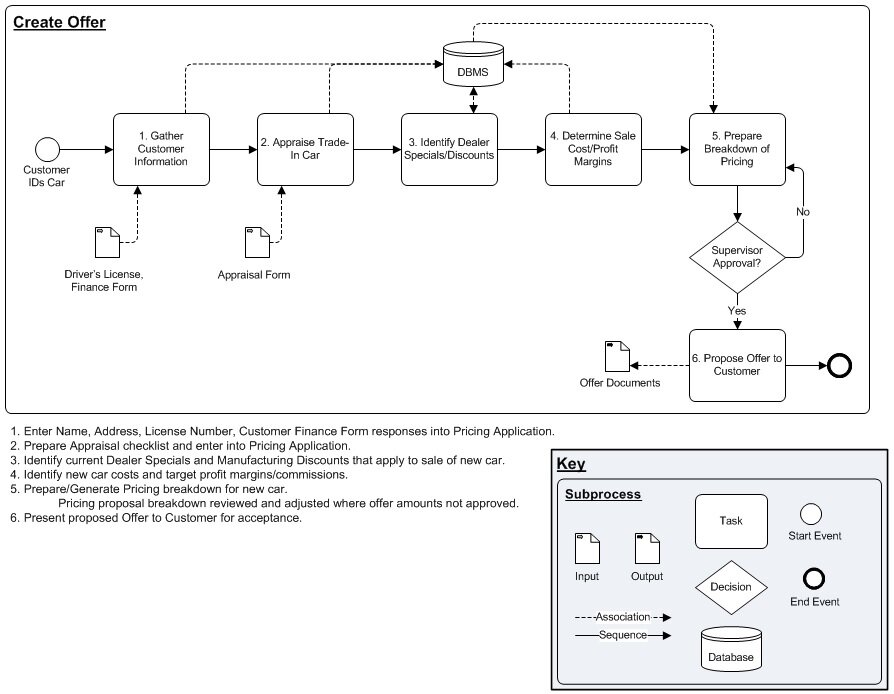
Once the 'As-Is' is mapped, the team defines the 'To-Be' state. This is your vision for the future, enabled by the new ERP. How should a work order flow from creation to completion? Where should quality checks happen automatically? How will inventory be updated in real time? The 'To-Be' workflow is a direct response to the pain points identified in the 'As-Is' analysis.
The difference between these two states reveals your specific needs. It’s not about finding an ERP with the most features; it’s about finding one that closes the gap between where you are and where you need to be.
Defining Functional Needs
With your 'To-Be' workflow as a guide, you can drill down into specific functional requirements. These are the concrete capabilities the software must have. For manufacturing, this goes far beyond standard accounting or HR modules. You need to document the granular details of how you make things.
| Requirement Area | Key Questions to Ask |
|---|---|
| Work Order Management | How are work orders created and released? Do you need to track labor, materials, and overhead against each order in real time? |
| Bill of Materials (BOM) | Do you have multi-level BOMs? Do they include phantom assemblies or require revision control? How are component substitutions handled? |
| Capacity Planning | How do you schedule work centers and machines? Do you need finite or infinite capacity planning? How are bottlenecks identified? |
| Inventory & Traceability | Do you need lot or serial number tracking? What are your requirements for warehouse bin management and material picking logic (e.g., FIFO)? |
| Quality Control | Where in the process do you perform quality checks? How are non-conformance and rework processes managed? |
This requirements document becomes your shopping list. When evaluating ERP vendors, you can move past glossy brochures and ask pointed questions. A simple “yes, we do that” isn’t enough. You need to see a demonstration of how their system handles your specific, multi-level Bill of Materials or your unique quality check workflow. The gap between your legacy processes and the capabilities of a modern ERP is where you'll find the most significant gains. This gap analysis is crucial for prioritizing features and managing scope. It prevents you from trying to boil the ocean and focuses the implementation on the highest-impact changes first.
Setting Measurable Goals
Finally, a solid requirements analysis establishes how you will measure success. The 'To-Be' process isn't just a diagram; it's a hypothesis. You're betting that this new way of working will deliver tangible results. To prove it, you need to define Key Performance Indicators (KPIs) upfront.
Instead of a goal like “improve quality,” define a KPI like “reduce scrap rate by 15% within six months.” Instead of “faster production,” aim to “decrease average work order lead time from 8 days to 5 days.”
These metrics do two things. First, they force the team to justify the project in real financial and operational terms. Second, they provide a clear benchmark to evaluate the project's return on investment (ROI) after the system goes live. This data-driven approach transforms the ERP implementation from an expensive IT project into a strategic business initiative.