Ericksonian Hypnotherapy
Introduction to Hypnosis
What Is Hypnosis?
Hypnosis isn't about losing control or being put to sleep. It’s actually a state of highly focused attention, often accompanied by deep relaxation. Think of it like being so engrossed in a great book or movie that the world around you seems to fade away. You're not unconscious; you're just intensely focused.
Hypnotherapy is a process of guided relaxation and focused attention, through which a person reaches an enhanced state of awareness and suggestibility.
In this state, your mind is more open to new ideas and suggestions. A trained professional can help guide you to make positive changes, access memories, or manage feelings. The key thing to remember is that you are always in control. You can’t be made to do anything against your will.
hypnosis
noun
A state of human consciousness involving focused attention and reduced peripheral awareness, characterized by an enhanced capacity for response to suggestion.
A Quick Trip Through Time
The roots of hypnosis go back centuries, but its modern story often begins in the late 1700s with a German physician named Franz Mesmer. He believed in a force called "animal magnetism," an invisible natural force that could be used for healing. His sessions, known as mesmerism, were theatrical and popular, though his theories were eventually discredited.
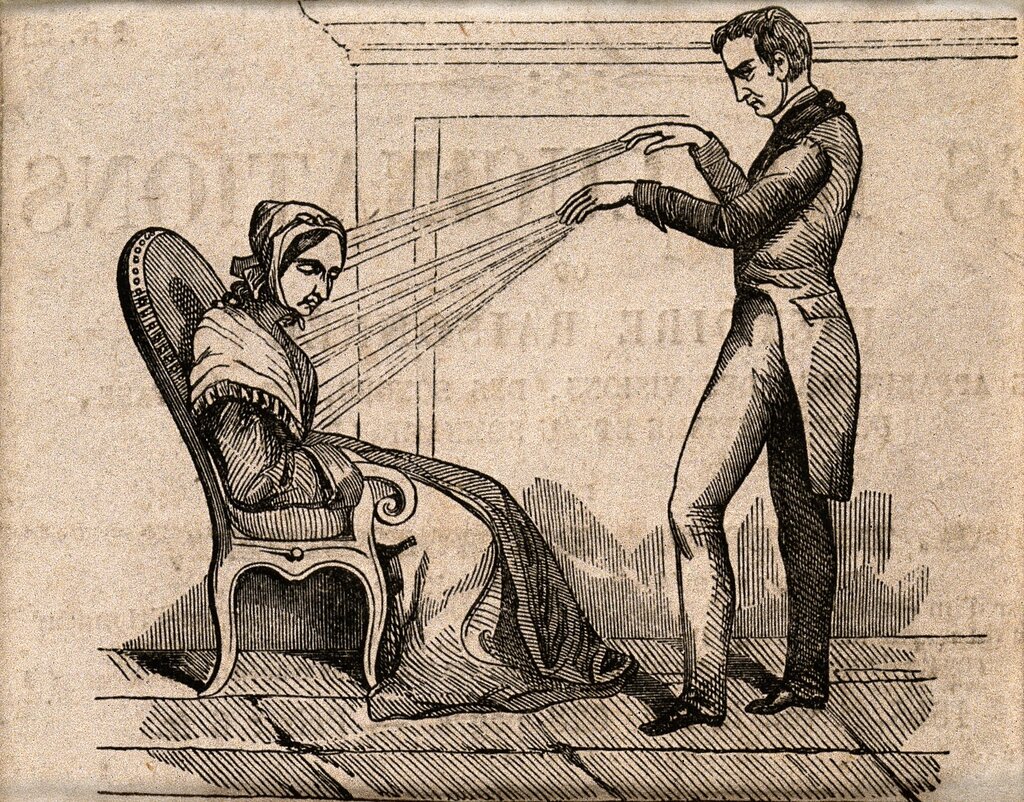
It wasn’t until the 1840s that the Scottish surgeon James Braid took a more scientific approach. He dismissed the idea of magnetism and proposed that the state was a result of focused attention. He coined the term "hypnosis" from the Greek word hypnos, meaning "sleep," a name he later regretted because he realized the state was not sleep at all. Over the next century, hypnosis gradually gained acceptance in medicine and psychology as a legitimate therapeutic tool.
How Does It Work?
A typical hypnosis session involves a few key steps. The process isn't mysterious; it's a guided method for shifting your state of awareness.
First is the induction. This is where the therapist guides you into a state of deep relaxation and focus. There are many ways to do this. A common technique is progressive muscle relaxation, where you tense and then release different muscle groups throughout your body. Another is guided imagery, where you might be asked to imagine a peaceful, safe place in vivid detail. The goal is simply to quiet the conscious mind and turn your attention inward.
During hypnotherapy, certain aspects of the mind can be more accessible and open to suggestion.
Once you're in this focused state, the therapist introduces suggestions. These are carefully worded phrases or ideas designed to help you achieve your goals. For example, if you're trying to quit smoking, a suggestion might be, "You find it easy and natural to be a non-smoker." Because the critical, analytical part of your mind is relaxed, you're more receptive to considering these new perspectives. It's not about being controlled, but about being open to helpful ideas.
Finally, the session ends by gently guiding you back to your usual state of alertness, feeling refreshed and calm.
What's It Used For?
Hypnosis has a wide range of applications in modern therapy. It’s often used to help people manage chronic pain, reduce anxiety, and overcome phobias like fear of heights or public speaking. It can be a powerful tool for changing habits, such as quitting smoking or managing weight, by addressing the underlying thoughts and behaviors.

It's also used in dentistry to control pain and anxiety, in sports psychology to improve performance, and to help people cope with the side effects of medical treatments like chemotherapy. Essentially, it's a versatile technique that helps people tap into their own mental resources to bring about positive change.
What is the primary characteristic of the state of hypnosis?
Who was the Scottish surgeon who coined the term 'hypnosis' in the 1840s?