Equity Trading Fundamentals
Introduction to Equity Markets
What is Equity
When you buy a company's stock, you are buying a small piece of that company. This ownership stake is called equity. Think of it like owning a single slice of a giant pizza. You don't own the whole restaurant, but you do own a part of it, and you have a claim on its future success.
Equity
noun
The value of the shares issued by a company, representing ownership.
Companies issue stock for one primary reason: to raise money, also known as capital. They use this capital to fund new projects, expand their operations, develop new products, or pay off debt. For the company, it's a way to get cash without taking out a loan.
For investors, buying equity is a way to potentially grow their money. If the company does well, the value of its stock may increase, and the investor can sell their shares for a profit. Some companies also share their profits directly with shareholders through payments called dividends.
Where Stocks Are Traded
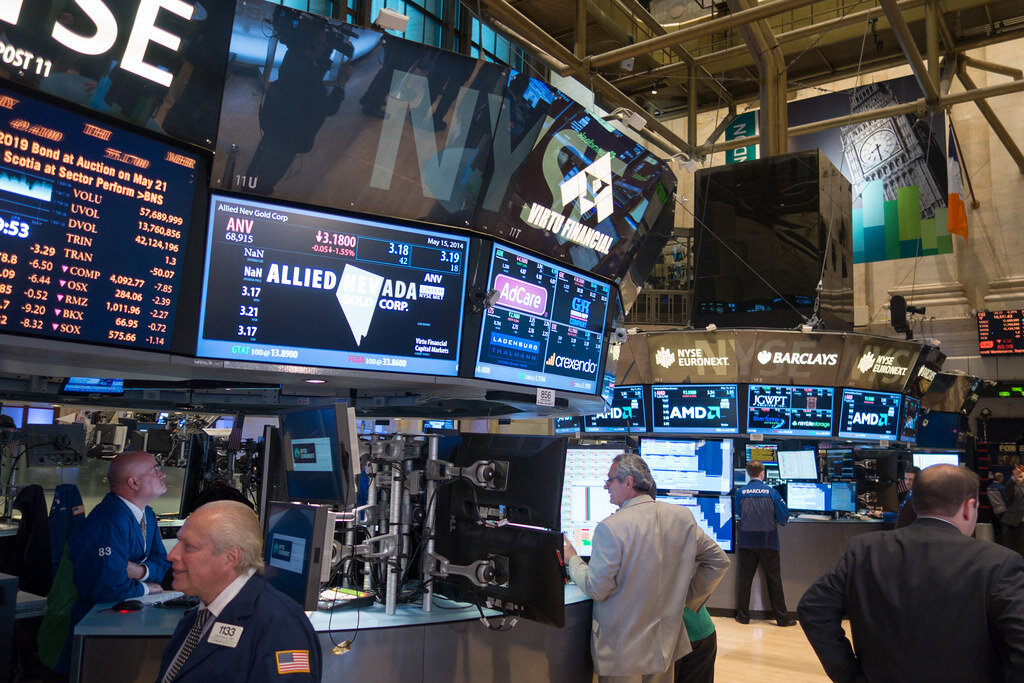
Stocks are bought and sold in a marketplace, just like any other product. These marketplaces are called stock exchanges. Famous examples include the New York Stock Exchange (NYSE) and the Nasdaq. These exchanges provide a regulated and organized environment where buyers and sellers can meet to trade shares.
There are two main types of equity markets.
The primary market is where a company first sells its shares to the public. This initial sale is called an Initial Public Offering (IPO). It's the only time the company itself directly receives money from the sale of its stock.
After the IPO, the shares are traded on the secondary market. This is where investors buy and sell shares from each other. The company isn't directly involved in these transactions, and the stock price fluctuates based on supply and demand among investors. When you hear about the stock market on the news, they are almost always talking about the secondary market.
The primary market is for new stocks from the company. The secondary market is for used stocks between investors.
The Key Players
Several groups of people and institutions make the equity market work. Understanding their roles is key to seeing the whole picture.
| Participant | Role |
|---|---|
| Issuers | Companies that sell stock to raise capital. |
| Investors | Individuals or institutions buying stock to own a piece of the company. |
| Brokers | Firms that act as intermediaries, executing buy and sell orders for investors. |
| Exchanges | The organized marketplaces where stocks are listed and traded. |
| Regulators | Government agencies (like the SEC in the U.S.) that create and enforce rules to protect investors and ensure fair markets. |
How a Trade Happens
So, how does a share of stock actually move from a seller to a buyer? The process is now mostly electronic and happens in fractions of a second, but the basic principles remain the same.
- An investor decides they want to buy or sell a stock. Let's say you want to buy 10 shares of Company XYZ.
- You place an order through your brokerage account. You'll specify the stock (XYZ), the quantity (10 shares), and the order type.
- The broker sends your order to the stock exchange where XYZ is listed.
- The exchange's computer system looks for a matching sell order. It needs to find someone else who wants to sell at least 10 shares of XYZ at a price you're willing to pay.
- Once a match is found, the transaction is executed. The shares are transferred to your account, and the money is transferred to the seller's account. This final step is called settlement, and it confirms the change of ownership.
This entire process relies on the interaction of buyers and sellers. The price at which a stock trades is determined by supply and demand. If more people want to buy a stock than sell it, the price tends to go up. If more want to sell than buy, the price tends to go down.
Every stock transaction has a buyer and a seller. The price they agree on becomes the new market price for that stock.
With these basics in mind, you have a solid foundation for understanding how equity markets function.
When you buy a company's stock, what are you actually purchasing?
What is the primary reason a company conducts an Initial Public Offering (IPO)?