Equity Trading Essentials
Understanding Stock Markets
Where Stocks Live
When you buy a share of stock, you're not just sending money to a company and getting a certificate in the mail. You're participating in a massive, organized marketplace called a stock exchange. Think of it as a highly specialized auction house where buyers and sellers trade shares of publicly owned companies.
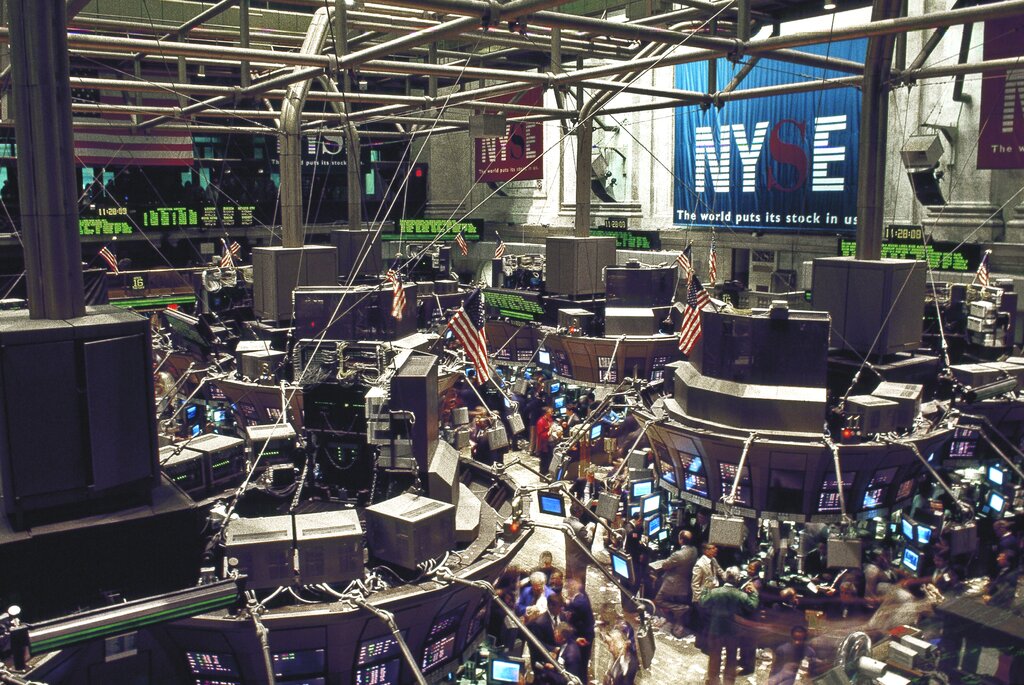
Exchanges like the New York Stock Exchange (NYSE) or the Nasdaq provide the essential infrastructure for this to happen. Their main job is to ensure trading is fair, orderly, and efficient. They create a centralized place where all buy and sell orders can meet, making it easy to find a counterparty for your trade. This process is called providing liquidity. Without exchanges, finding someone to buy your specific shares at a fair price would be incredibly difficult.
The Players in the Game
The stock market isn't just a computer system; it's a network of different participants, each with a specific role.
- Investors: These are people or entities buying stocks for long-term growth. They can be retail investors (like you and me) or institutional investors (like large pension funds or mutual funds managing billions of dollars).
- Traders: Traders buy and sell stocks more frequently, trying to profit from short-term price movements.
- Brokers: When you want to buy a stock, you don't call the NYSE directly. You use a broker. They are the intermediaries who have access to the exchanges and execute trades on your behalf.
- Market Makers: These are special firms that are always ready to buy or sell a particular stock. They post both a buy price (bid) and a sell price (ask), ensuring that there's always an opportunity to trade. They make money on the small difference between those prices, known as the spread.
How a Trade Happens
At any given moment, every stock has two key prices: the bid and the ask.
- The bid is the highest price a buyer is willing to pay for a share.
- The ask is the lowest price a seller is willing to accept for a share.
The difference between these two is called the bid-ask spread. This spread is often how market makers and brokers earn a profit. When you place an order, you're interacting with this system.
| Order Type | What it is | Best for... |
|---|---|---|
| Market Order | An instruction to buy or sell a stock immediately at the best available current price. | Speed and certainty of execution. You want to get in or out right away. |
| Limit Order | An instruction to buy or sell a stock at a specific price or better. | Price control. You're not willing to pay more (or accept less) than your set price. |
For example, if you place a market order to buy, your broker will execute it at the current ask price. If you place a limit order to buy at $50, your order will only go through if the ask price drops to $50 or lower. You get to control the price, but your trade might never happen if the stock's price doesn't reach your limit.
Taking the Market's Temperature
It’s impossible to track the thousands of stocks trading every day. Instead, we use stock indices to get a quick snapshot of the market's overall health and performance. An index is a curated collection of stocks that represents a portion of the market.
Think of an index as a market's report card. It doesn't show you every student's grade, but it gives you a great sense of how the class is doing as a whole.
Some of the most-watched indices include:
- The S&P 500: Tracks 500 of the largest U.S. companies. It's considered the best representation of the overall U.S. stock market.
- The Dow Jones Industrial Average (DJIA): A smaller index tracking 30 large, well-known U.S. companies. Its movements are often reported in the news, but it's less representative than the S&P 500.
- The Nasdaq Composite: Includes all the stocks listed on the Nasdaq exchange, which is heavy on technology companies.
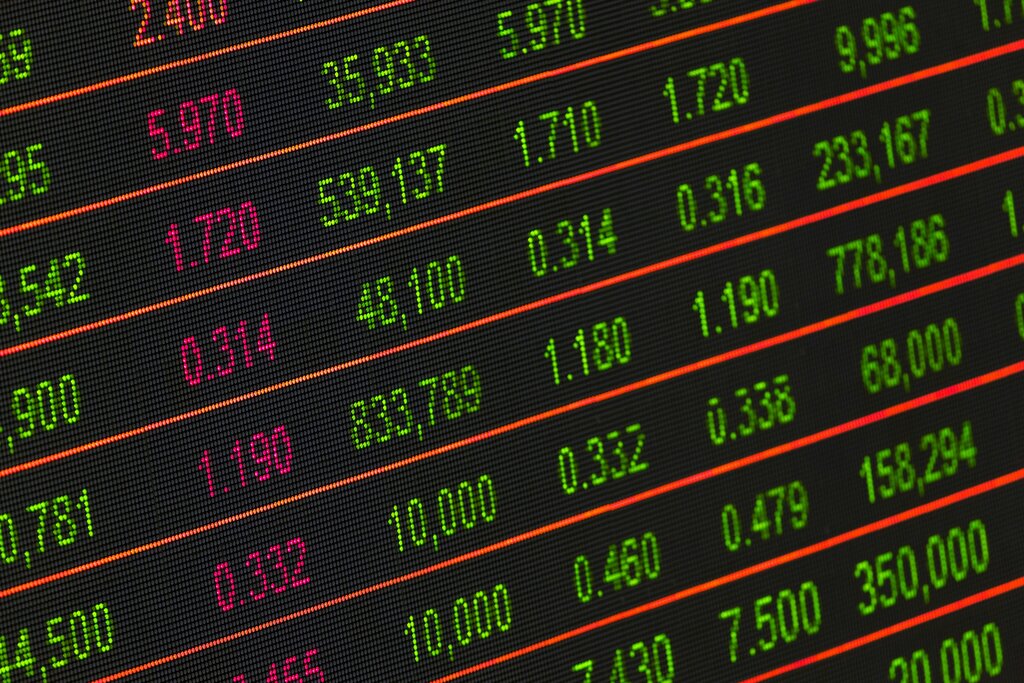
When you hear that "the market is up today," it usually means that a major index like the S&P 500 has increased in value. This indicates that, on average, the stocks within that index have gained value.
Riding the Waves
The stock market doesn't move in a straight line. It moves in cycles, alternating between periods of general growth and periods of decline. Understanding these cycles is key to managing expectations as an investor.
Bull Market
noun
A period when stock prices are generally rising, and investor confidence is high. The economy is typically strong.
Bear Market
noun
A period when stock prices are generally falling, often defined as a drop of 20% or more from recent highs. The economy is typically weakening.
These cycles are a normal part of how markets work. They are driven by broad economic factors like GDP growth, interest rates, and employment, as well as by investor psychology. While a bull market feels great, it's the bear markets that test an investor's discipline. Knowing that downturns are inevitable can help you stay the course with your long-term financial goals.
Now that you understand the basic mechanics of the market, let's test your knowledge.
What is the primary role of a stock exchange like the NYSE or Nasdaq?
In the stock market, what is the 'bid-ask spread'?
Understanding these core components—exchanges, participants, orders, indices, and cycles—provides a solid foundation for navigating the world of stocks.