Equity Management at Santa Clara University
Introduction to Equity Management
What Is Equity Management?
Equity management in higher education is about creating an environment where every student, faculty, and staff member has the opportunity to succeed. It's not just about having a diverse group of people on campus. It's about ensuring fairness in policies, practices, and resource distribution so that identity is not a predictor of outcomes.
Let's break down the key terms: Diversity, Equity, and Inclusion (DEI).
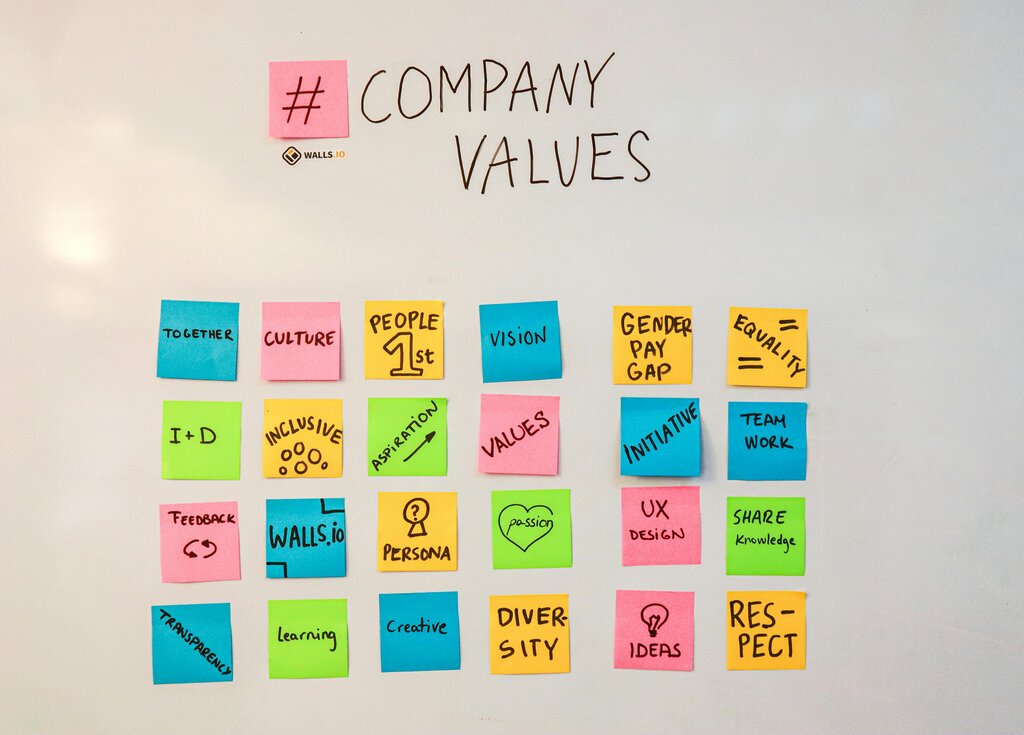
- Diversity is the presence of difference within a group. This includes race, gender, ethnicity, sexual orientation, socioeconomic background, age, ability, and more.
- Inclusion is about creating a culture where everyone feels welcome, respected, and valued. It’s the sense of belonging that allows diverse individuals to participate fully.
- Equity is the work of ensuring fairness. Unlike equality, which means giving everyone the same thing, equity means giving people what they need to have the same opportunities. It acknowledges that different people start from different places and require different levels of support.
An equity manager's job is to champion these principles. They analyze university policies, develop training programs, and work with departments to identify and remove barriers to success. Their goal is to make the institution's commitment to DEI a reality in everyday campus life.
A Brief History of DEI
The focus on diversity, equity, and inclusion in universities didn't appear overnight. It evolved from earlier civil rights movements and legal mandates. Early efforts, often under the banner of "affirmative action," were primarily focused on increasing the representation of underrepresented racial and ethnic groups in student bodies and faculty.
Over time, the conversation broadened. Campus leaders and activists realized that simply admitting a diverse group of students wasn't enough. If the campus environment wasn't inclusive, or if institutional structures created unfair disadvantages, then the promise of diversity would go unfulfilled. The focus shifted from mere numbers to the quality of the student and staff experience.
This evolution marked a change from a compliance-based approach to a more holistic one, centered on creating a genuinely supportive and equitable academic community.
Today, DEI is seen as essential to the core mission of a university. A diverse campus enriches the learning experience for everyone, prepares students for a global workforce, and drives innovation by bringing together a wide range of perspectives.
The Equity Manager's Toolkit
An effective equity manager needs a unique blend of skills. They are part analyst, part educator, part strategist, and part advocate. Their work is complex and requires both technical knowledge and strong interpersonal abilities.
Core competencies often include:
- Data Analysis: Using institutional data to identify trends and disparities in areas like admissions, retention, and hiring.
- Communication: Clearly articulating the importance of DEI to different audiences, from the board of trustees to first-year students. This includes facilitating difficult conversations about sensitive topics.
- Strategic Planning: Developing and implementing long-term plans to advance equity goals across the institution.
- Collaboration: Working with departments and leaders across campus to embed equitable practices into their operations.
- Conflict Resolution: Mediating disagreements and helping to build consensus around DEI initiatives.
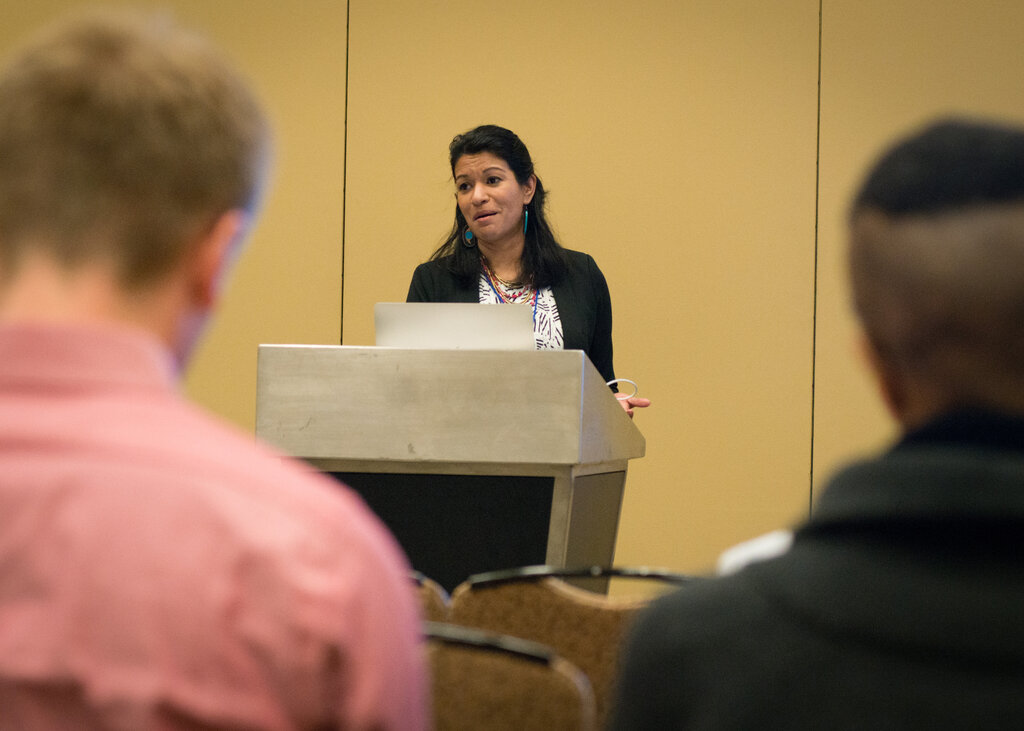
The role also comes with significant challenges. Equity managers may face resistance to change, limited resources, and the slow pace of institutional transformation. However, the opportunity to make a tangible impact is immense. By fostering a more equitable and inclusive environment, they help unlock the full potential of every member of the campus community.
The diversity, equity, and inclusion (DEI) leadership and team experience has evolved in response to a very dynamic state of change in our society and profession.
Ready to check your understanding of these core concepts?
Which statement best distinguishes "equity" from "equality" in a university setting?
The focus of efforts to support underrepresented groups in higher education has evolved from primarily emphasizing ________ to a broader focus on DEI.
Understanding these fundamentals provides the context for how and why specific DEI policies are developed and implemented within a university.