Equity Investing in India
Introduction to Equity Investments
Owning a Piece of the Pie
When a company wants to raise money to grow, it can sell small pieces of itself to the public. These pieces are called shares, or stock. When you buy a share, you are buying equity in that company. You become a part-owner.
equity
noun
The value of the shares issued by a company.
Think of it like owning a slice of a pizza. If the pizza parlor does well and becomes more popular, your slice becomes more valuable. If it does poorly, your slice might be worth less than what you paid for it. Companies sell equity to fund new projects, expand operations, or hire more people. In return, investors who buy that equity hope the company succeeds, making their ownership stake worth more over time.
The Balance of Risk and Reward
Investing in equities comes with a simple trade-off. The primary benefit is the potential for growth. If you invest in a successful company, the value of your shares can increase significantly, offering returns much higher than a standard savings account. You also gain a say in the company's direction through voting rights at shareholder meetings.
However, there are no guarantees. The biggest risk is that the company might underperform, causing the value of your shares to fall. In a worst-case scenario, if the company goes bankrupt, your investment could be wiped out entirely. Stock prices can be volatile, swinging up and down based on company performance, industry trends, and the overall health of the economy.
Investing in these stocks requires understanding market trends, company fundamentals, and sectoral growth potential.
The Indian Stock Market
In India, shares are bought and sold on stock exchanges. These are organized marketplaces that connect buyers and sellers. The Indian stock market is one of the largest in the world, with millions of people participating every day. Two main exchanges dominate the landscape.
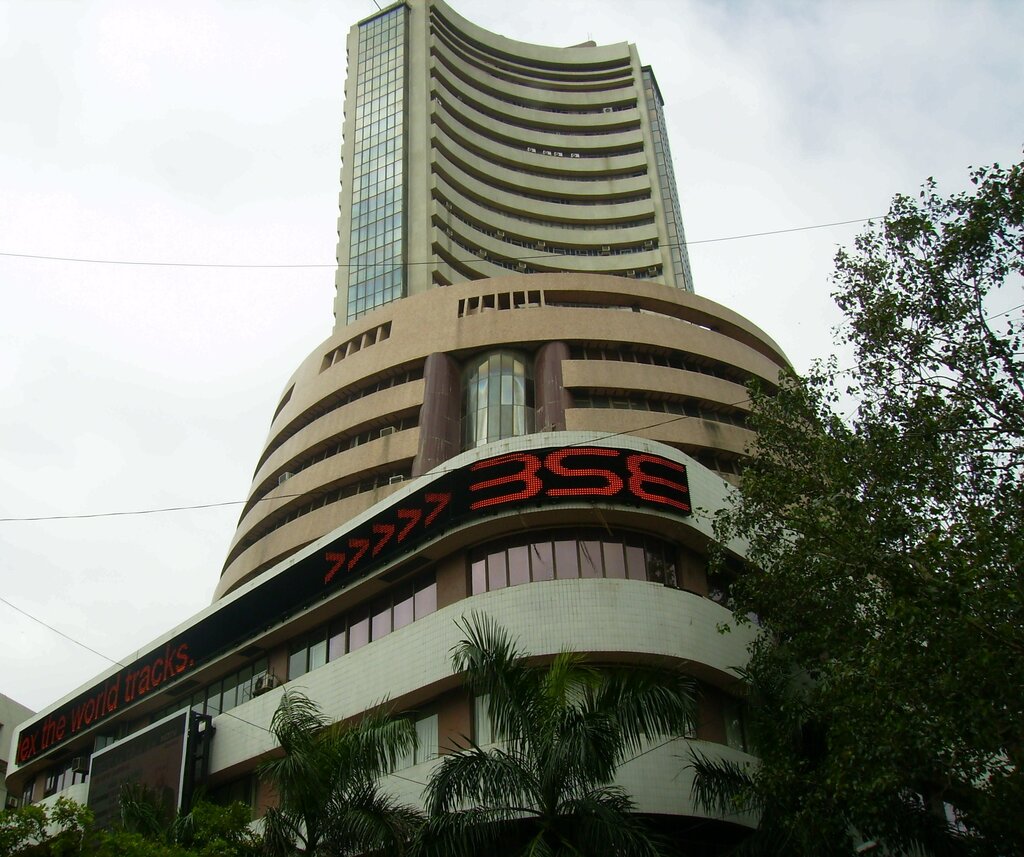
First is the Bombay Stock Exchange (BSE). Established in 1875, it's the oldest stock exchange in Asia. The second is the National Stock Exchange (NSE), which was founded in 1992 and has grown to become the largest exchange in India by trading volume.
To get a quick snapshot of the market's performance, investors look at indices. An index is a collection of stocks that represents a particular segment of the market. It acts like a barometer, showing whether the market is generally trending up or down.
| Exchange | Key Index | What it Tracks |
|---|---|---|
| BSE | Sensex | 30 of the largest and most actively-traded stocks on the BSE. |
| NSE | Nifty 50 | 50 of the largest and most liquid Indian securities on the NSE. |
The Sensex and Nifty 50 are the two most-watched indices in India. They include large, well-established companies from various sectors, providing a reliable picture of the overall health of the Indian economy.
What is the primary benefit of buying a company's equity?
Why would a company choose to sell shares to the public?
Understanding these basics is the first step. By grasping what equity is, its risks and rewards, and the structure of the Indian market, you build a foundation for making informed investment decisions.