Equity Investing for Asset Management
Equity Markets Overview
What Are Equity Markets?
At its heart, an equity market is a place where ownership in companies is bought and sold. Think of it as a massive, organized marketplace, but instead of trading fruits and vegetables, people trade tiny pieces of public companies.
Equity
noun
The value of the shares issued by a company. It represents a claim on the company's assets and earnings.
When you buy equity, you're buying a share of a company's stock. This makes you a shareholder, or part-owner. If the company does well, the value of your share might go up. If it does poorly, it might go down.
So, why do these markets exist? They serve two main purposes. First, they allow companies to raise money, known as capital, to grow their business. They do this by selling ownership stakes to the public. Second, they give investors a place to buy and sell these stakes, hopefully for a profit.
This system connects companies needing cash with people who have cash to invest. It’s a fundamental engine for economic growth, funding innovation, expansion, and job creation.
The Two Sides of the Market
Equity markets aren't just one big free-for-all. They're split into two distinct parts: the primary market and the secondary market.
The primary market is where shares are born. The secondary market is where they live out their lives, traded from one investor to another.
In the primary market, a company sells brand-new shares directly to investors for the first time. This is called an Initial Public Offering, or IPO. The money from this sale goes straight to the company, which might use it to build a new factory, hire more employees, or develop a new product. This is the only time the company itself makes money from selling its stock.
After the IPO, things move to the secondary market. This is what most people think of when they hear “stock market.” Here, investors trade those already-issued shares among themselves. The company isn't directly involved in these transactions. The price of a share in the secondary market is determined by supply and demand.
Even though the company doesn't get money from secondary market trades, this market is still vital. It provides liquidity, meaning it makes it easy for investors to buy and sell shares. Without a liquid secondary market, fewer people would be willing to buy shares in an IPO, because they’d have no easy way to sell them later.
The Players and the Places
Equity markets are bustling ecosystems with several key participants, all operating within organized venues called stock exchanges.
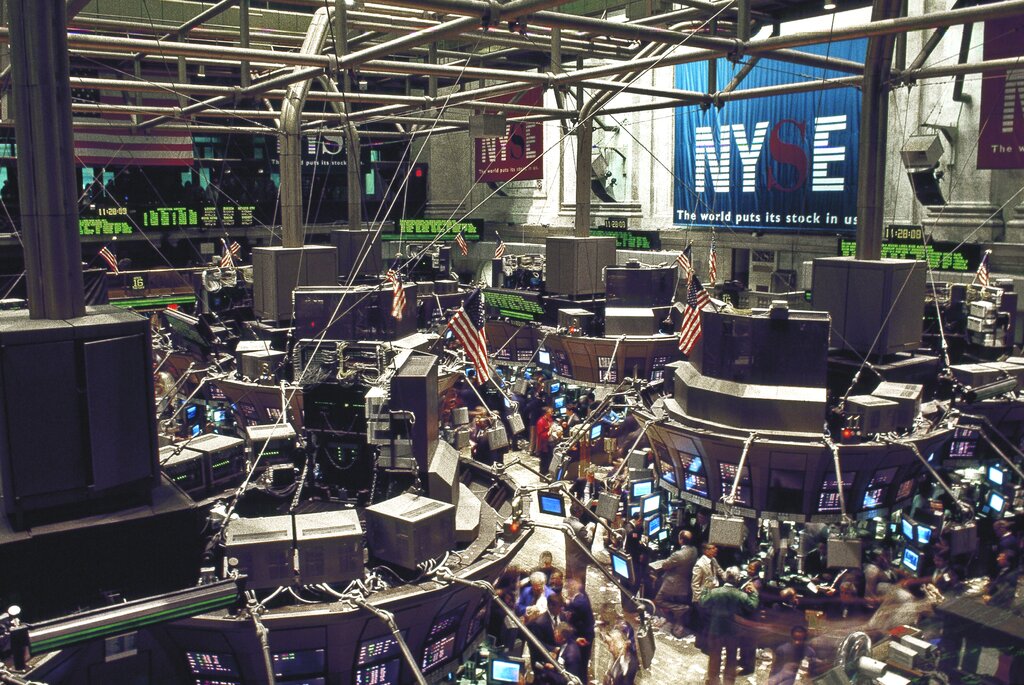
Stock Exchanges are the physical or electronic marketplaces where stocks are traded. The most famous examples are the New York Stock Exchange (NYSE) and the Nasdaq. They provide the infrastructure and rules for fair and orderly trading.
Investors are the individuals and institutions (like pension funds or mutual funds) who buy and sell shares. They are the ultimate owners of the companies.
Brokers are the intermediaries who execute trades on behalf of investors. In the past, you'd have to call your broker on the phone to place an order. Today, most individual investors use online brokerage platforms.
Market Makers are firms that stand ready to buy or sell a particular stock at any time. They provide liquidity to the market by quoting both a buy price (bid) and a sell price (ask), ensuring there's always someone to trade with. They profit from the small difference between these two prices, known as the bid-ask spread.
Why Equity Matters
Equities are a cornerstone of the modern financial system. For companies, equity markets are a crucial source of funding for growth and innovation. Instead of taking out a loan, a company can sell ownership to raise capital, which can be less restrictive.
For investors, equities offer the potential for high returns. By owning a piece of a successful business, an investor's wealth can grow along with the company's profits. This is how many people save for long-term goals like retirement.
Finally, the stock market as a whole is often seen as a barometer of the economy's health. When investors are confident about the future, stock prices tend to rise. When they are fearful, prices tend to fall. The performance of the equity market influences business decisions, consumer spending, and even government policy.
Capital markets are the part of a financial system that is concerned with raising capital by issuing debt and equity (the primary market) and subsequent buying and selling of assets (the secondary market).
Understanding how this system works is the first step toward understanding how businesses are funded and how wealth is created in our economy. Now, let's test what you've learned.
What are the two primary purposes of an equity market?
A tech company sells its shares to the public for the very first time in an Initial Public Offering (IPO). In which market is this transaction taking place?
These core concepts provide the foundation for exploring the world of investing. By grasping the purpose of these markets and who the key players are, you're better equipped to understand the financial news and make informed decisions.