Equine Assisted Therapy Explained
Introduction to Equine-Assisted Therapy
More Than a Ride
Working with horses can be more than a hobby. For some, it's a form of therapy. Equine-assisted therapy (EAT) uses activities with horses to help people with physical, emotional, and psychological challenges. It's a partnership between a person, a horse, and a trained professional, all working toward specific therapeutic goals.
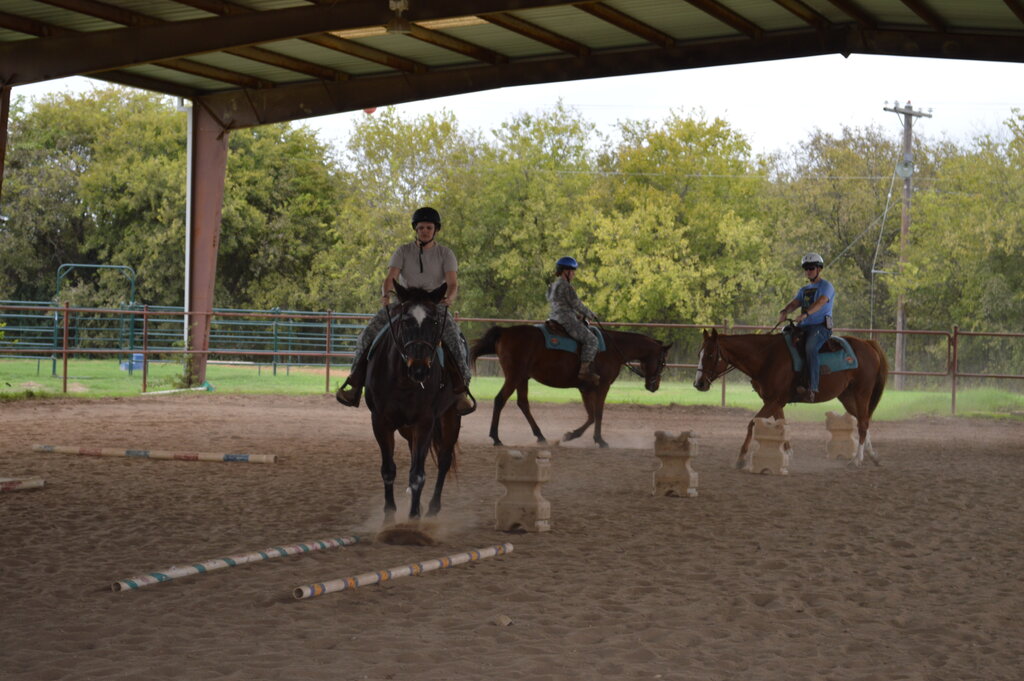
The idea isn't new. Ancient Greek physicians noted the health benefits of horseback riding. But the modern field of EAT began to take shape in the mid-20th century. After a polio outbreak, a Danish equestrian found that riding helped her regain muscle strength. Her success inspired others, leading to the development of structured therapeutic programs across Europe and North America.
Different Paths
Equine-assisted therapy isn't a single activity. It's an umbrella term for several distinct approaches. The three most common types are hippotherapy, therapeutic riding, and equine-assisted psychotherapy.
Hippotherapy is a physical, occupational, or speech therapy treatment that uses the movement of the horse as a tool. A licensed therapist guides the session, but not to teach riding. Instead, they use the horse's rhythmic, three-dimensional gait to influence the patient's posture, balance, and sensory systems.
Therapeutic riding, on the other hand, focuses on teaching riding and horsemanship skills. While it has therapeutic benefits, the main goal is for the individual to learn to ride. Sessions are led by a certified riding instructor who adapts the lesson to the rider's specific needs and abilities.
Finally, equine-assisted psychotherapy (EAP) is a form of mental health treatment. It involves a licensed mental health professional and a horse specialist working together with a client. Activities are often done on the ground and focus on building relationships, trust, and self-awareness by observing the horse's behavior and reactions.
| Type | Primary Goal | Key Professional | Riding Involved? |
|---|---|---|---|
| Hippotherapy | Physical, occupational, or speech therapy | Licensed Therapist | Yes (as a tool) |
| Therapeutic Riding | Learning horsemanship skills | Riding Instructor | Yes (as the skill) |
| Equine-Assisted Psychotherapy | Mental & emotional growth | Mental Health Professional | Often, no |
How It Works
But why horses? The benefits of EAT come from two main sources: the horse's movement and the human-animal bond.
A horse's walk closely mimics the natural movement of a human pelvis. When a person rides a horse, their body moves in the same way it would if they were walking. This can help improve balance, coordination, and strength in people with physical disabilities. The horse provides a dynamic, living platform that constantly challenges the rider's core muscles in a gentle, repetitive way.
Beyond the physical benefits, the emotional connection is key. Horses are large, powerful animals, and learning to work with one can build confidence and self-esteem. They are also prey animals, meaning they are highly sensitive to their environment and the emotions of those around them. They provide immediate, honest feedback without judgment.
This creates a unique dynamic for therapy. A person must learn to be calm, clear, and focused to communicate effectively with a horse. This process of building trust and a relationship with the animal can be a powerful metaphor for relationships in other areas of a person's life.
Now, let's check your understanding of these core ideas.
Which form of equine-assisted therapy has the primary goal of teaching riding and horsemanship skills?
A horse's walking motion is therapeutically beneficial for physical rehabilitation because it closely mimics the natural movement of a human's ____.
Understanding these foundations is the first step in appreciating how a simple partnership with a horse can lead to significant therapeutic progress.