Epoxy Flooring Mastery
Introduction to Epoxy Flooring
What Is Epoxy Flooring?
Epoxy flooring isn't a type of paint, though it's often applied like one. It's a thermosetting resin applied as a coating. Think of it as a two-part system that, when mixed, creates a strong, durable surface. This system consists of a resin and a hardener.
Epoxy resin is a mixture of resin and hardener that forms a strong and durable bond when mixed together.
When these two components are combined, they trigger a chemical reaction. This reaction, called curing, transforms the liquid mixture into a rigid, plastic-like material. The result is a tough, seamless surface that bonds tightly to the floor beneath it, which is most often concrete.
Why Choose Epoxy?
The main draw of epoxy flooring is its incredible durability. Once cured, it creates a high-performance surface that can withstand a lot of abuse. It resists damage from chemicals, abrasions, and impacts. This makes it far more resilient than an ordinary coat of paint.
| Feature | Epoxy Flooring | Bare Concrete | Vinyl Tile |
|---|---|---|---|
| Durability | Very High | Medium | Medium |
| Chemical Resistance | High | Low | Low |
| Maintenance | Low | Medium | High |
| Seamless Surface | Yes | No | No |
Beyond its toughness, epoxy flooring offers a clean, polished look. It creates a seamless, high-gloss surface that can brighten up a space. Because it's a liquid application, it fills in small cracks and imperfections in the concrete, resulting in a smooth, uniform finish. It's also available in various standard colors to match different styles.
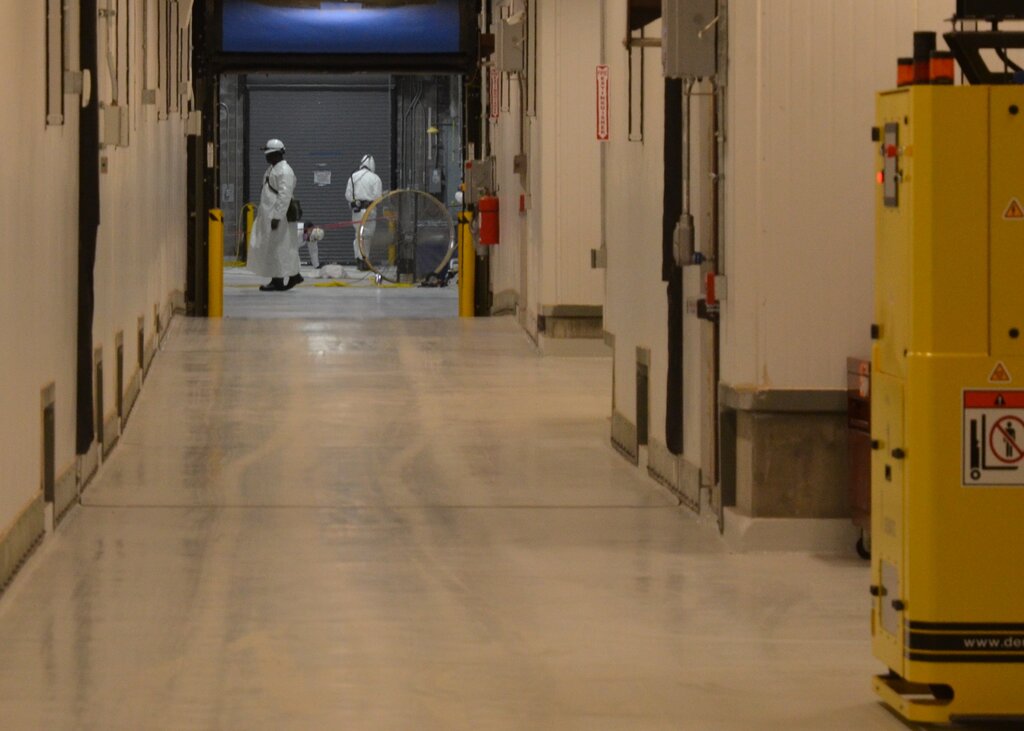
Maintenance is another key advantage. The non-porous surface of epoxy flooring is easy to clean. Spills can be wiped up without staining, and since there are no grout lines or seams, there's nowhere for dirt, dust, or bacteria to hide.
Where Is It Used?
Thanks to its unique combination of benefits, epoxy flooring is popular in a wide range of settings. In homes, it's a common choice for garages and basements. A garage floor coated with epoxy resists oil stains and tire marks, and it's easy to sweep or mop clean. In basements, it provides a moisture barrier and a finished look that's more durable than paint.
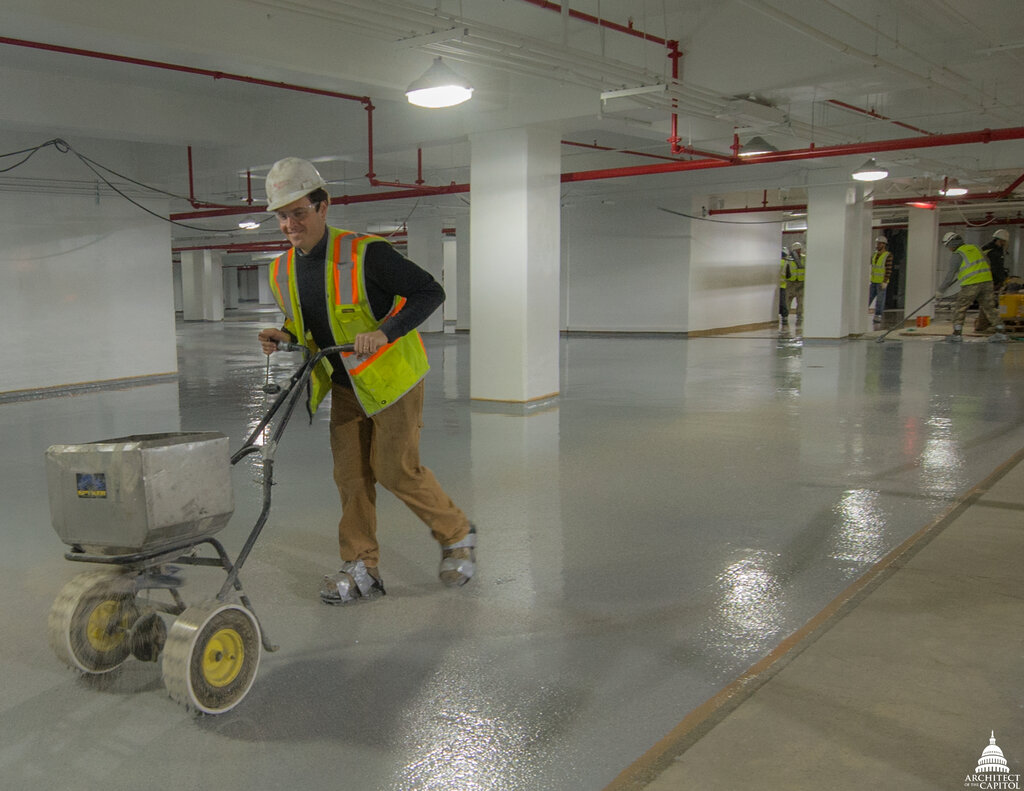
Epoxy is also a workhorse in commercial and industrial environments. You'll find it in warehouses, auto shops, and factories where floors need to withstand heavy machinery and chemical spills. It's also used in spaces where hygiene is critical, such as hospitals, commercial kitchens, and laboratories, because the seamless surface is easy to sanitize.
What best describes the fundamental nature of epoxy flooring?
The chemical reaction that transforms liquid epoxy into a rigid surface is called ______.
Understanding these basics shows why epoxy is more than just a floor covering. It's a high-performance system that protects and enhances the concrete underneath.