Epictetus' Stoic Philosophy
Introduction to Epictetus' Stoicism
A Slave's Wisdom
Imagine one of the most respected teachers in the Roman Empire was born a slave. His name was Epictetus. Born in what is now Turkey, he spent his youth in Rome as the property of a wealthy secretary to Emperor Nero. Despite his circumstances, and a leg permanently lamed by his master, Epictetus pursued philosophy with fervor.
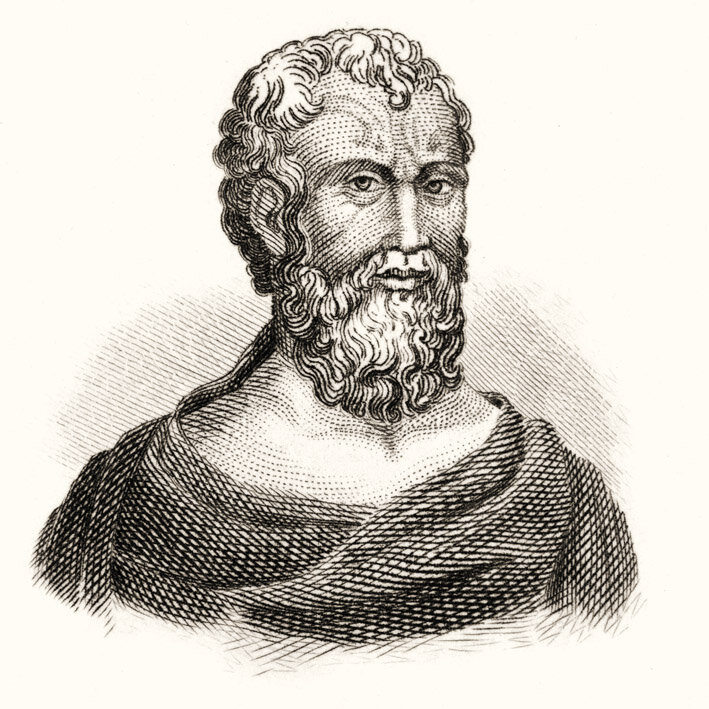
After gaining his freedom, he dedicated his life to teaching. He didn't write anything down himself; his powerful lessons were transcribed by one of his students, Arrian. Epictetus’s teachings are raw, direct, and incredibly practical. His life experience—from enslavement to freedom—gave him a unique perspective on what it truly means to be free, regardless of your external situation.
The Dichotomy of Control
The core of Epictetus's philosophy is a simple but profound idea: the dichotomy of control. He argued that the things in our lives can be divided into two categories: those we can control and those we can't.
What can we control? Our thoughts, judgments, opinions, and actions. That’s about it. These are internal to us.
What can't we control? Pretty much everything else. The weather, the economy, what other people think of us, our health, our reputation, and even the outcome of our best efforts. These are all external.
One of the fundamental principles of Stoicism is the idea of the dichotomy of control.
According to Epictetus, the root of all human suffering comes from confusing these two categories. We get frustrated, anxious, and angry when we try to control things that are ultimately outside our power. Likewise, we neglect our true power when we don't take full responsibility for what is within our control.
Finding Your Freedom
This isn't about being passive or giving up. It's about being strategic with your energy. Peace of mind, or tranquility, comes from focusing your efforts exclusively on what you can control: your own character and choices.
Think about a stressful situation, like being stuck in traffic. You can't control the cars in front of you. Getting angry or honking your horn won't change anything. It only adds to your own suffering. The Stoic approach is to recognize the traffic is external and not up to you. What is up to you? Your reaction. You can choose to get angry, or you can choose to listen to a podcast, call a friend, or simply practice patience. The traffic jam is the same, but your inner experience is completely different.
When you focus on what you can control, you reclaim your power. When you worry about what you can't, you give it away.
This applies everywhere. A coworker is rude to you. You can't control their behavior, but you can control how you respond. You can choose not to take it personally, to respond with professionalism, or to simply walk away. The choice is yours.
You're worried about a big presentation. You can't control how the audience will receive it. But you can control how well you prepare, how you practice, and the mindset you bring into the room. Focus on your preparation, not the applause.
What was a significant aspect of Epictetus's early life?
According to Epictetus, what is the fundamental principle for achieving peace of mind, also known as the dichotomy of control?
By consistently practicing this distinction, you train yourself to be more resilient. You learn to accept what you cannot change and put your full effort into what you can. This is the path to inner peace that Epictetus taught—a freedom that no one can take away from you.