Environmental Barometers in Buildings
Introduction to Environmental Barometers
The Weather Inside
You've probably seen a traditional barometer. It’s a classic instrument that measures atmospheric pressure, helping you guess if a storm is coming. An environmental barometer does something similar, but for the inside of a building. It's not a single device, but rather a system of tools that monitors the 'weather' within our rooms and offices.
Think of it as a building's health checkup. These systems track key conditions to ensure the space is comfortable, healthy for the people inside, and running efficiently. The goal is to create the best possible indoor environment by keeping a close eye on what's happening in the air around us.
Indoor environmental quality: Ensuring healthy air, light, and acoustics for occupant well-being.
What We Measure and Why
An environmental barometer doesn't just measure one thing. It tracks several key parameters that together define the quality of an indoor space. Each one tells an important part of the story.
| Parameter | Why It Matters |
|---|---|
| Temperature | The most obvious factor for comfort. Too hot or too cold, and it's hard to focus or relax. Maintaining a stable temperature is also key for energy efficiency. |
| Humidity | This is the amount of moisture in the air. High humidity can feel sticky and promote mold growth. Low humidity can cause dry skin and respiratory irritation. |
| Air Quality | This is a big one. It includes monitoring for pollutants like carbon dioxide (), volatile organic compounds (VOCs) from paints and furniture, and tiny dust particles (particulates). Poor air quality can affect health, causing everything from headaches to long-term respiratory issues. |
| Light | Both natural and artificial light affect our mood, productivity, and sleep cycles. Monitoring systems can adjust lighting to match the time of day or the needs of the occupants. |
| Sound | Unwanted noise can be a major source of stress and distraction. Acoustic monitoring helps identify and manage noise pollution within a building. |
By tracking these elements, building managers can make smart, data-driven decisions. If levels rise in a crowded meeting room, the system can automatically increase ventilation. If a room is empty, it can lower the heat to save energy. It’s about responding to the real-time needs of the space.
The Tools for the Job
To gather all this data, we rely on a network of sensors. These are the eyes and ears of the environmental barometer. Modern sensors are often small, discreet, and connected wirelessly. They feed information to a central hub, often called a Building Automation System (BAS).
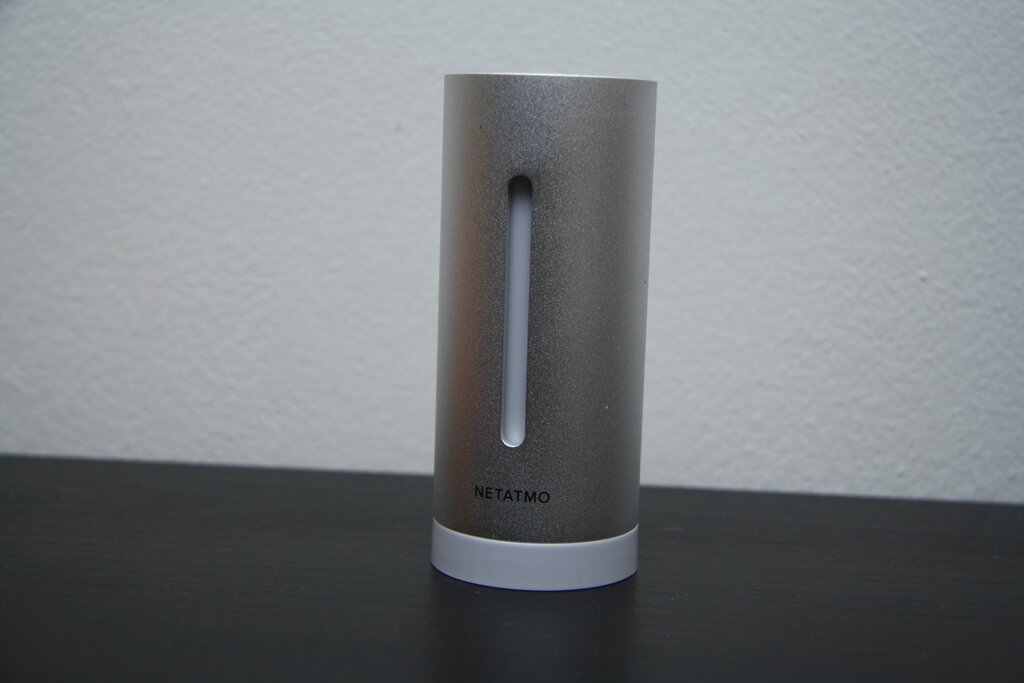
This central system acts like the brain. It collects the data from all the sensors, analyzes it, and can even control parts of the building automatically. For example, it can adjust the heating, ventilation, and air conditioning (HVAC) system, dim the lights, or raise and lower automated window shades.
Advanced sensors form the foundation of effective building automation systems, providing the real-time data that enables intelligent decision-making and automated responses.
Essentially, environmental monitoring turns a building from a static structure into a dynamic system that actively works to keep its occupants healthy and comfortable while minimizing its energy footprint.
Ready to check your understanding?
What is the primary function of an 'environmental barometer' within a building?
In the analogy used in the text, if the Building Automation System (BAS) is the 'brain', what are the 'eyes and ears'?
By understanding and using these 'barometers,' we can create smarter, healthier buildings for everyone.