Environment Shapes Behavior
Cultural and Social Contexts
Beyond the Individual
Why do two people react so differently to the same situation? The answer often lies outside the individual. Our actions, beliefs, and even our sense of self are deeply shaped by the invisible currents of our cultural and social contexts.
Think of it like a plant. A seed has its own genetic code, but its growth depends entirely on the soil, sunlight, and water it receives. Similarly, we are all planted in a specific context. This context is a mix of our culture, the unwritten rules and shared beliefs of our community, and our social environment, the structures and institutions that organize our lives.
Culture
noun
The shared customs, arts, social institutions, and achievements of a particular nation, people, or group.
Culture provides the lens through which we see the world. It tells us what is important, how to behave, and how to make sense of our experiences. This includes everything from the food we eat to our ideas about family, success, and time. Your cultural background influences whether you see yourself as an independent individual or as part of a collective group. It shapes how you express emotion and how you approach problems.
For example, in some cultures, direct and explicit communication is valued for its clarity. In others, meaning is often conveyed indirectly, relying on context and nonverbal cues to avoid potential conflict.
The Social Blueprint
Beyond shared beliefs, we also navigate a world of social structures. These are the established patterns of relationships in a society, like family, education systems, economic classes, and government. These structures create a kind of blueprint for our lives, guiding our behavior and defining our opportunities.
Social context determines the roles we play, the resources we can access, and the expectations placed upon us. Someone's position in a social hierarchy can dramatically affect their life path, regardless of their personal ambitions. These structures operate so consistently that we often don't even notice their influence.
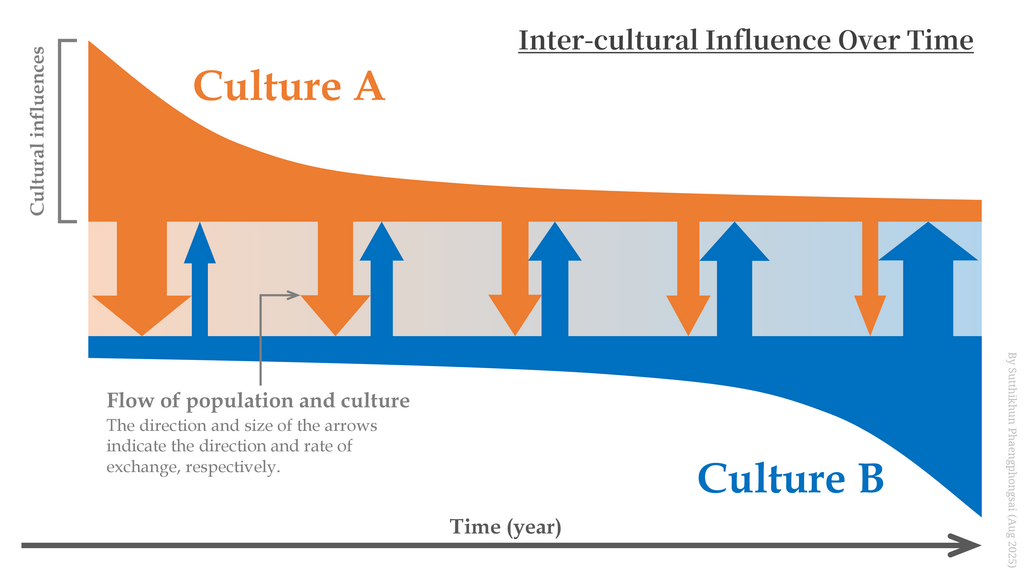
This interplay of culture and social structure means that the same message or training can be received in vastly different ways. What motivates one person might be irrelevant to another, not because of their personality, but because of the context they come from.
Learning is influenced by environmental factors, including culture, technology, and instructional practices.
Understanding these forces doesn't diminish the role of individual choice. Instead, it provides a more complete picture, showing how our personal stories are written on a page that was already there. We are both the authors of our lives and products of our environment.